Italian Foreign Minister Antonio Tajani said Rome is not at war in the Red Sea and called on the European Union to renew and strengthen the Aspides mission aimed at protecting commercial vessels. Tajani said 40 percent of Italy’s commercial maritime traffic and 60 percent of goods exported to Asia are transported through the Red Sea.
Describing Aspides, which was established to protect ships passing through the Red Sea and the Bab el-Mandeb Strait against possible attacks by the Houthis, as a defensive operation, Tajani said Italy would continue supporting the mission even if the situation in the strait worsens.
The remarks came after an attack attributed to the Houthis targeted the Taif Air Base in Saudi Arabia. An Italian F-2000 Eurofighter fighter jet on the ground was damaged during the attack.
Italy seeks contributions to Aspides
Tajani said he had been calling on other countries for months to contribute to Aspides and would repeat the appeal during meetings of the United Nations General Assembly in New York next week.
He said European countries should send additional naval assets to the mission or share its costs, adding that Aspides must be maintained and strengthened.
The Italian foreign minister is expected to raise the issue at the European Union Foreign Affairs Council meeting, the G7 foreign ministers’ meeting and the Rome Food Security Coalition meeting to be held on the sidelines of the United Nations General Assembly. Freedom of navigation and the security of maritime transport will also be discussed by the coalition launched by Italy and Croatia.
Plan for a raw materials deal with Rubio
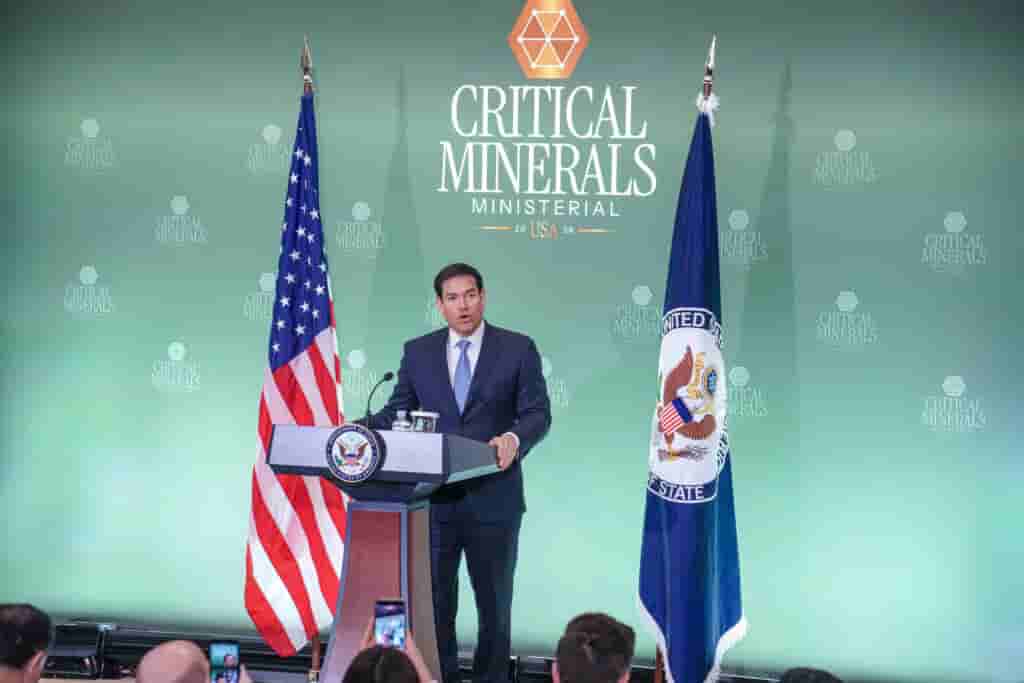
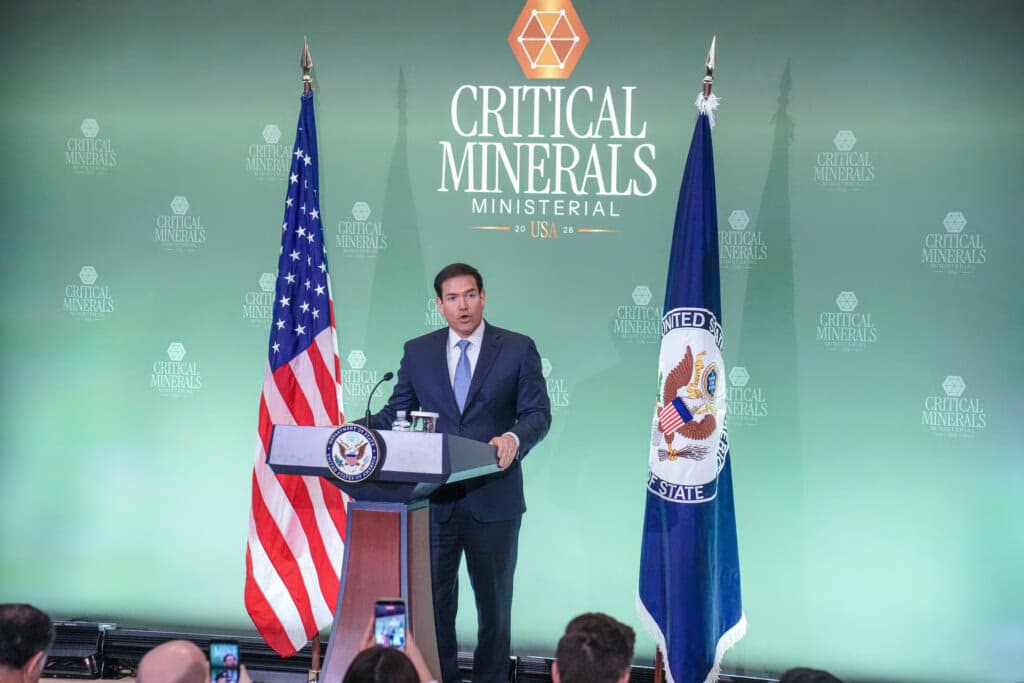
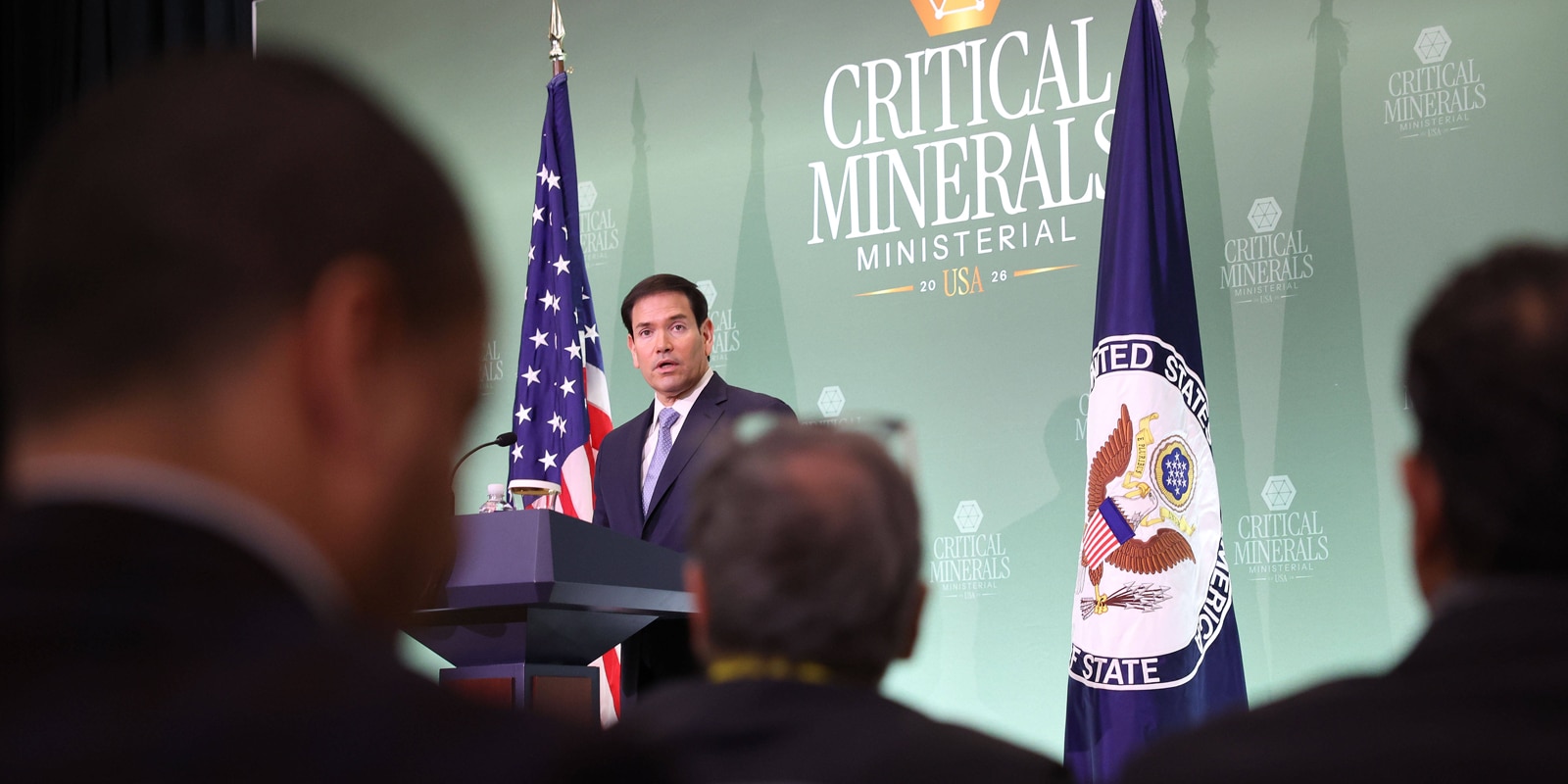
Tajani said he could meet U.S. Secretary of State Marco Rubio in New York and announced plans to sign a raw materials agreement aimed at ensuring supply security. He said the agreement would be linked to the “Pax Silica” initiative, which covers critical minerals such as rare earth elements.
Tajani said they did not support the process concerning the conflict in Iran and favored peace. He also said he would meet with Iran’s foreign minister in New York despite his critical stance toward Tehran’s nuclear program.
Canada and United Nations agenda
Tajani backed European Commission President Ursula von der Leyen’s proposal to make Canada an associated partner of the European Union. He described Canada as a strategic partner of Europe and a member of NATO and the G7.
The Italian foreign minister said his speech to the United Nations General Assembly would focus on cybersecurity, hybrid threats and artificial intelligence.