- BIST10011,722-2.89%
- USD49.45+0.05%
- EUR55.62+0.37%
- GOLD4,181.10+0.26%
- INTEREST37.00%-1.00
- BITCOIN81,509+0.01%
- October 17, 202613°
- BIST10011,722-2.89%
- USD49.45+0.05%
- EUR55.62+0.37%
- GOLD4,181.10+0.26%
- INTEREST37.00%-1.00
- BITCOIN81,509+0.01%
- October 17, 202613°
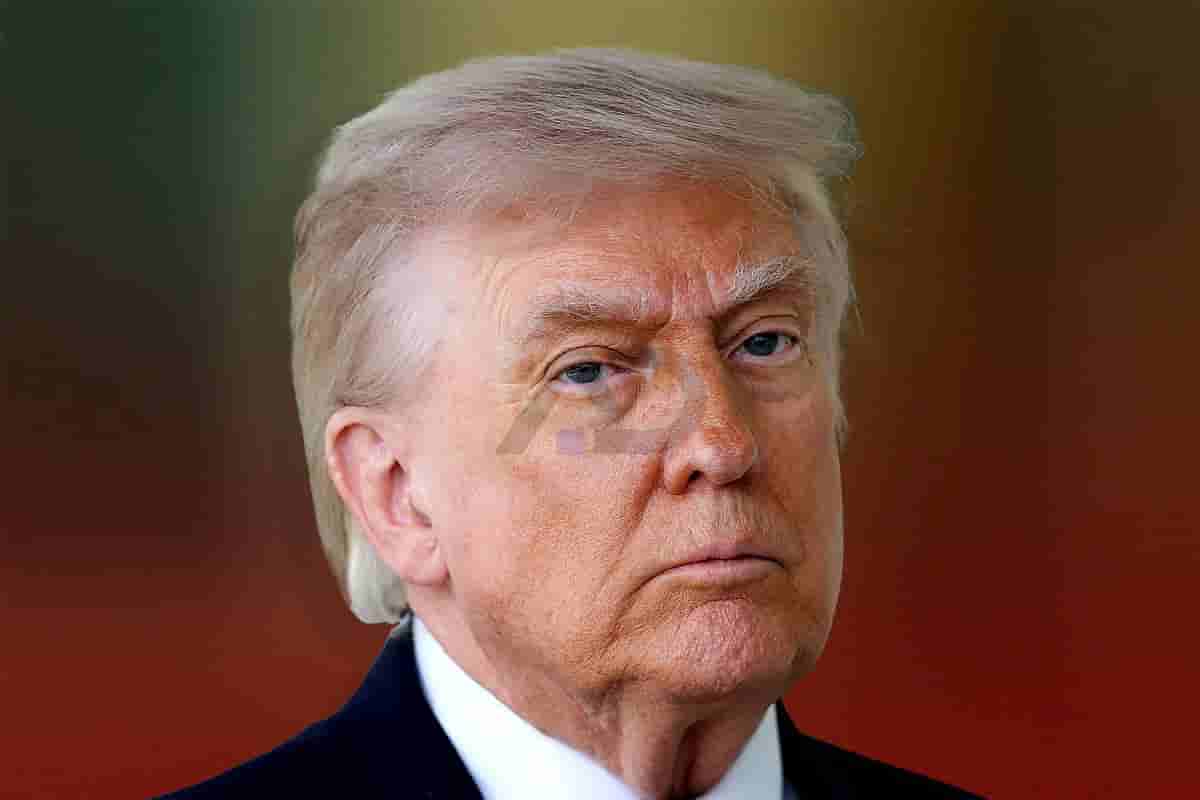
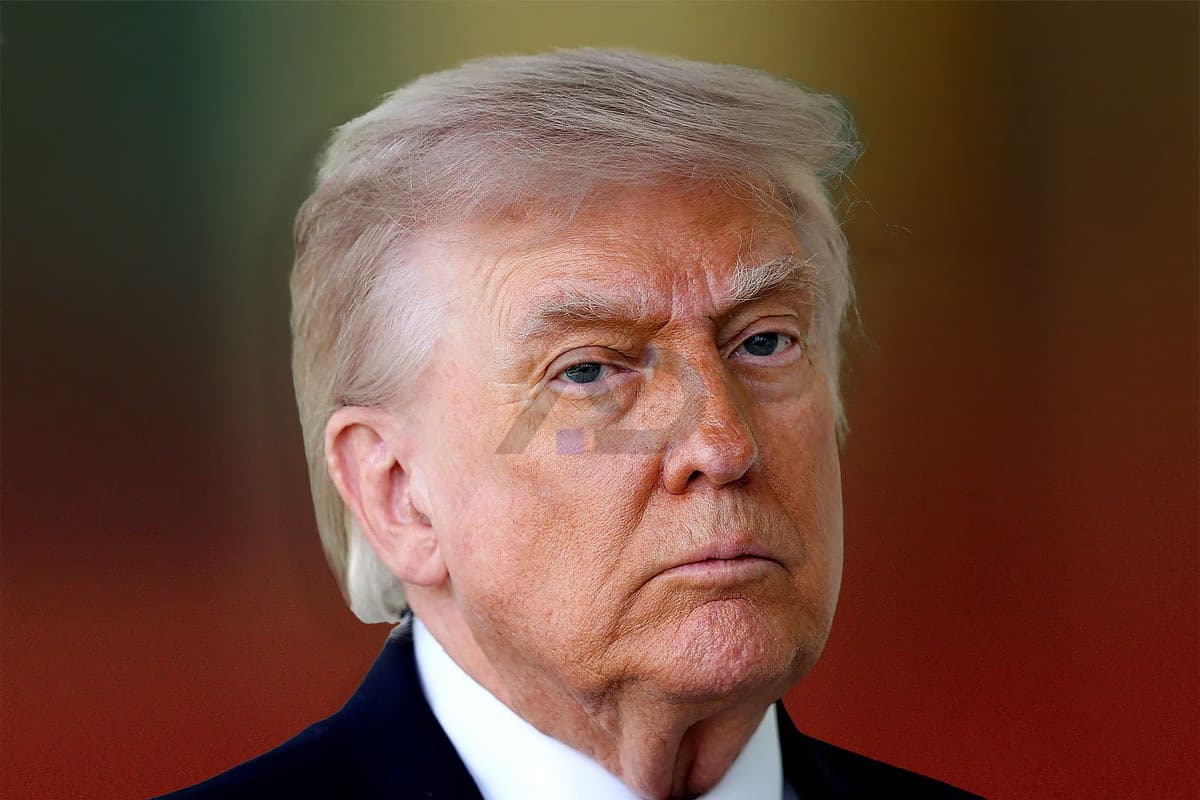
Likud to ask court to bar two Arab parties from Knesset elections
Israeli Prime Minister Benjamin Netanyahu’s Likud Party announced that it will apply to block the United List and Ra’am from running in the Knesset elections on October 27. Likud accused the two parties of refusing to recognize Hamas and Hezbollah as terrorist organizations but provided no evidence for the allegations.


Stay Updated with Ally Daily
Subscribe to be informed about special news, developments and announcements. We will keep you informed.
By signing up, you agree to our Privacy Policy