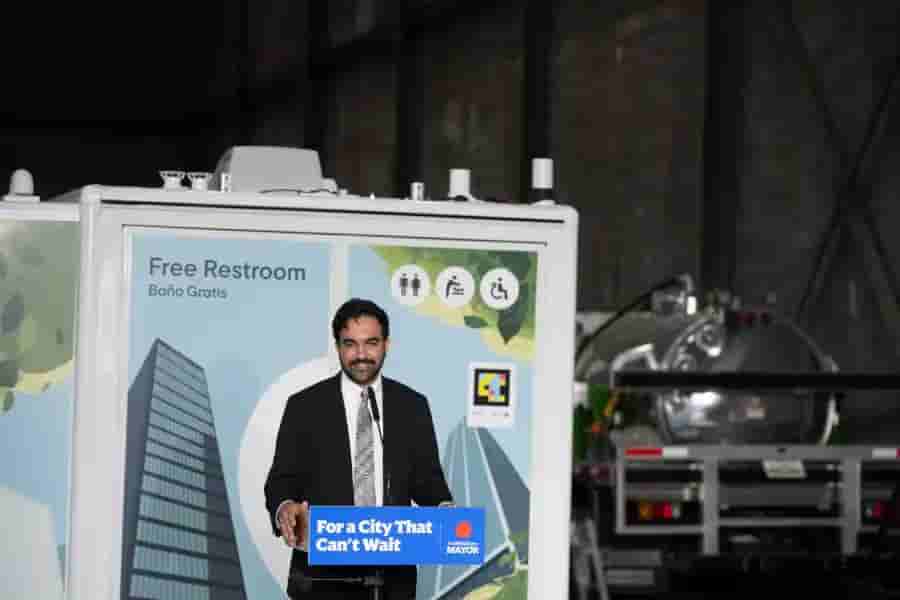
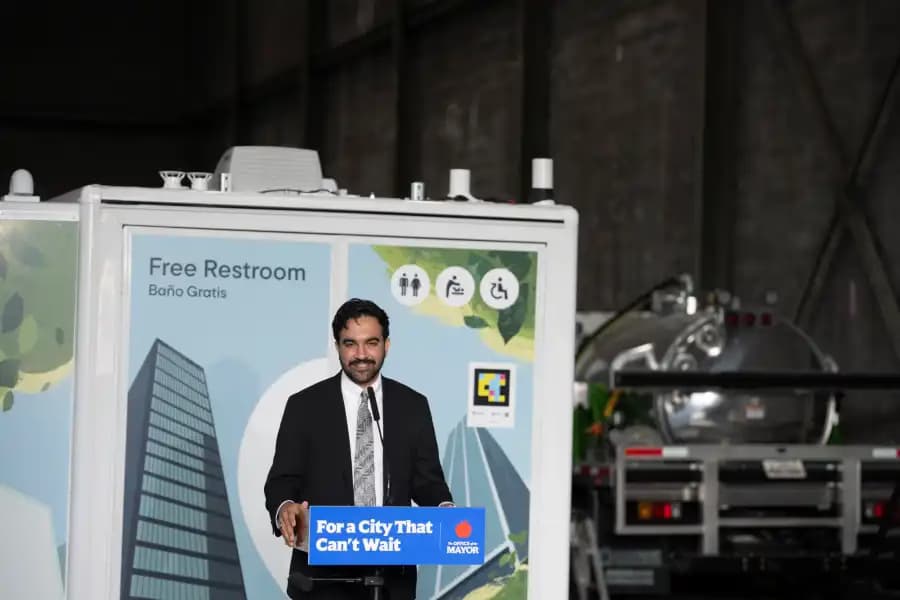
New York City is rolling out a new initiative to address the long-standing shortage of accessible public restrooms. Mayor Zohran Mamdani announced that 17 modular public bathrooms will be installed across the Bronx, Brooklyn, Manhattan, Queens and Staten Island.
The city has allocated $4 million for the one-year pilot program. The new facilities will primarily be placed in high-traffic areas and neighborhoods where access to public restrooms is currently limited.

Free and Open 15 Hours a Day
All 17 public restrooms will be free to use and available every day between 7 a.m. and 10 p.m.
The units are designed to be ADA-accessible and touchless. They will include flushing toilets, sinks with running water, climate-control systems for year-round use and baby-changing stations.
Access Through Text, QR Code, App or Card
Residents and visitors will be able to access the restrooms through several methods, including text message, QR code, a mobile app or special access cards distributed through local organizations.
The system will also allow users to locate the nearest restroom, check whether a facility is currently occupied and provide feedback about cleanliness and maintenance.

Doors Will Automatically Open After 10 Minutes
One of the most notable features of the new system is a 10-minute usage limit.
Users will receive warnings at the five- and eight-minute marks. Once the 10-minute limit is reached, the restroom door will automatically unlock. The city says the system is designed to keep the facilities available for their intended purpose and ensure they remain accessible to more people.
Mamdani Highlights Need for Clean and Safe Restrooms
Mamdani said New Yorkers should be able to rely on finding a clean and safe restroom while moving around the city, noting that locating an available public bathroom remains difficult in many neighborhoods.
The city will evaluate the results of the one-year pilot program before deciding how the system could be expanded. New York's broader long-term plan calls for increasing the number of public restrooms citywide to at least 2,120 by 2035.