- BIST10011,117-0.92%
- USD49.65+0.05%
- EUR55.60-0.19%
- GOLD4,007.90-1.29%
- INTEREST36.00%-1.00
- BITCOIN80,725-0.44%
- October 24, 20265°
- BIST10011,117-0.92%
- USD49.65+0.05%
- EUR55.60-0.19%
- GOLD4,007.90-1.29%
- INTEREST36.00%-1.00
- BITCOIN80,725-0.44%
- October 24, 20265°
Oceans experienced hottest June, new records ahead with El Niño
The European Union's Copernicus Marine Service announced that the global sea surface temperature in June 2026 averaged a record 21 degrees Celsius. Scientists said they expect more temperature records in the coming months due to the effect of El Niño.


Global oceans reached the highest average temperature recorded in June 2026, setting a new record. According to a report published by the European Union's Copernicus Marine Service, the average sea surface temperature was measured at 21.0 degrees Celsius. This value surpassed the same month in 2023 and 2024, which had previously seen records.
Simon van Gennip, the lead ocean scientist at the Copernicus Marine Service, stated that the first six months of 2026 were marked by widespread marine heatwaves. "Marine heatwaves steadily expanded during this period, ultimately affecting about 82 percent of the global ocean," Van Gennip said. The scientist, who noted that the Mediterranean, central North Atlantic, and equatorial Pacific stood out as hotspots, said these regional signals indicate that the oceans are under continuous thermal stress.
Carlo Buontempo, director of the Copernicus Climate Change Service, noted that current conditions may mark the beginning of a new era and that oceans could be drifting into "uncharted waters." Buontempo assessed: "With ocean temperatures at this level and El Niño on the horizon, we will see more temperature records broken in the coming months."
El Niño occurs with unusually warm waters in some parts of the Pacific Ocean, leading to more heat being released into the atmosphere and affecting winds, clouds, and global weather patterns. This can increase the risk of extreme weather events ranging from floods in Peru, droughts in parts of Africa, and wildfires in Australia.
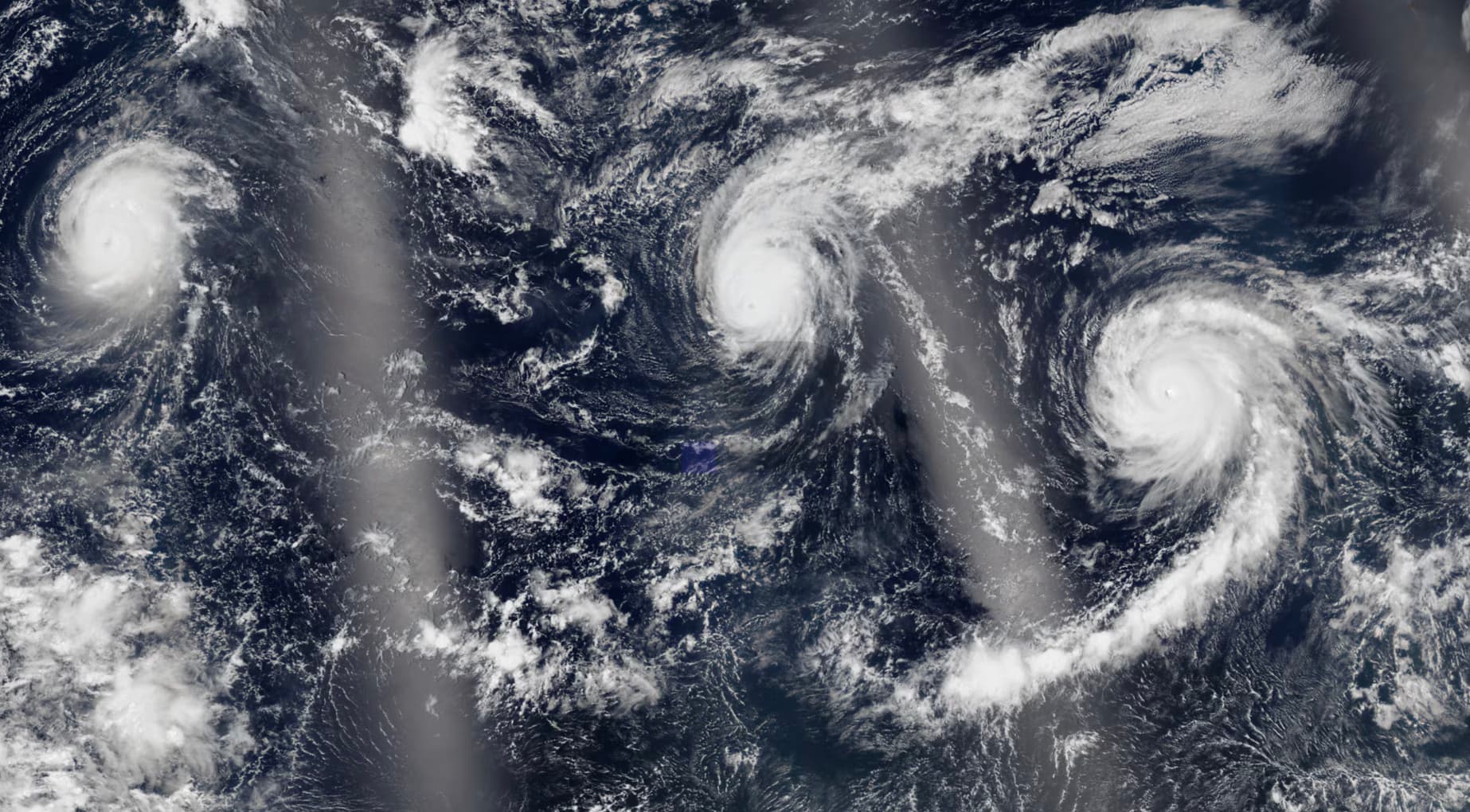
Oceans absorb about 90 percent of the excess heat caused by human-induced greenhouse gases, making them a crucial regulator of Earth's climate. Warming seas increase moisture in the atmosphere, providing fuel for tropical cyclones and destructive rainfall. They also directly contribute to sea-level rise through thermal expansion of water and create unbearable conditions for coral reefs. Prolonged marine heatwaves can cause corals to bleach and die.
A UN scientific assessment published last month warned that the world's oceans are in a "deepening crisis" as seas warm and rise faster. After the previous El Niño in late 2024, land and sea temperatures reached all-time highs; 2026 could be one of the hottest years on record with a new El Niño starting this year.
Stay Updated with Ally Daily
Subscribe to be informed about special news, developments and announcements. We will keep you informed.
By signing up, you agree to our Privacy Policy