Oil markets came under selling pressure ahead of the announcement of a new U.S. sanctions package targeting Iran. On the first trading day of the week, West Texas Intermediate crude futures fell about 1.3% to $85.93 a barrel.
The price of Brent crude also declined 1.24% to $93.22 a barrel.
Washington prepares sweeping sanctions
U.S. Treasury Secretary Scott Bessent is expected to announce the new sanctions measures on Monday. The Washington administration describes the package as the most comprehensive economic campaign it has pursued against Iran to date.
Bessent described the new step as “an economic D-Day that begins at dawn” and “the largest financial assault” ever carried out against a country. Bessent had previously said that Washington aimed to bring down the Islamic Republic of Iran with “the toughest sanctions in history.”
President Donald Trump threatened an economic operation against Iran more severe than any previously imposed on another country. Trump also warned that countries helping Iran circumvent the sanctions would face harsh penalties.
Iran rejects sanctions
Iran rejected the pressure. The Islamic Revolutionary Guard Corps said it had methods to “counter the adverse effects of the enemy’s war” and could easily maintain its economic relations with other countries.
Brent outlook for the second half of 2026
Commonwealth Bank of Australia expects oil prices to remain volatile in the second half of 2026. The bank forecasts that Brent crude could trade between $70 and $100 a barrel during this period.
According to the bank’s assessment, it remains uncertain whether the U.S. policy of economically isolating Iran will succeed. If the sanctions produce the intended results, Iran’s potential response through escalating violence could create a greater risk for energy markets.
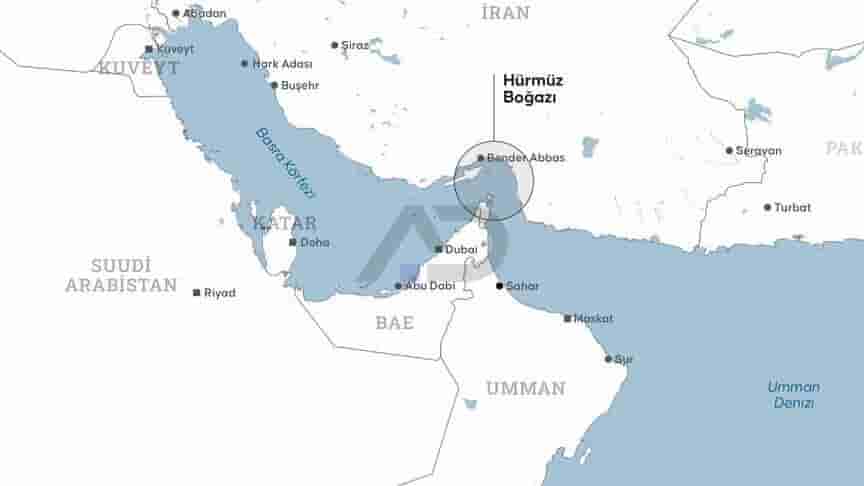
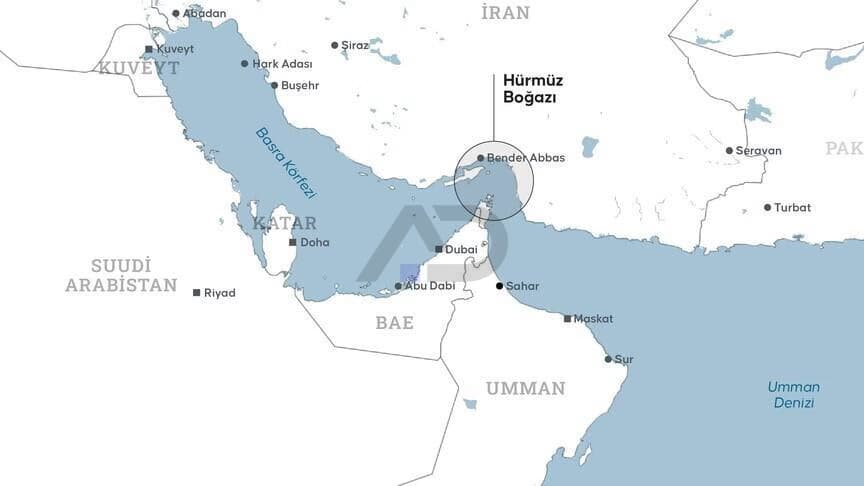
A partial recovery in oil flows through the Strait of Hormuz could also strengthen expectations of a global supply surplus and push prices toward the lower end of the projected range.