- BIST10011,722-2.89%
- USD49.45+0.05%
- EUR55.62+0.37%
- GOLD4,181.10+0.26%
- INTEREST37.00%-1.00
- BITCOIN81,378-0.15%
- October 17, 202610°
- BIST10011,722-2.89%
- USD49.45+0.05%
- EUR55.62+0.37%
- GOLD4,181.10+0.26%
- INTEREST37.00%-1.00
- BITCOIN81,378-0.15%
- October 17, 202610°
Oil prices plunge on hopes of a US-Iran deal, Brent falls below $80
Diplomatic optimism from the United States and Qatar triggered a sharp sell-off in oil markets. Brent crude fell 4.6% to $79.89 a barrel.

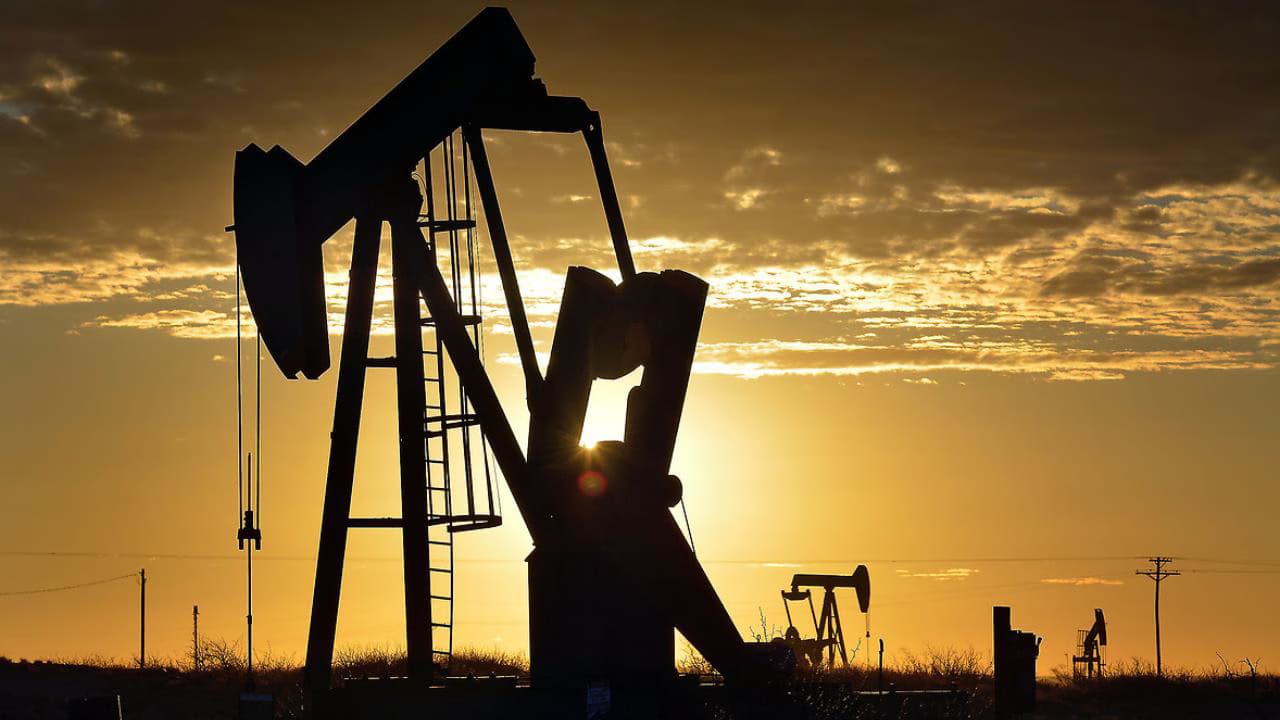
Oil prices fell sharply on Tuesday, August 4, 2026, following diplomatic signals from the United States and Qatar. Brent crude fell 4.6% to $79.89 a barrel, while US West Texas Intermediate (WTI) crude declined 5.3% to $76.11.
US Treasury Secretary Scott Bessent said an agreement with Iran to reopen the Strait of Hormuz could be reached “today or tomorrow.” Bessent said he had seen numerous vessels departing the strait, while other ships were waiting to transit.
Qatar provides an update on negotiations
Majid al-Ansari, spokesperson for Qatar’s Ministry of Foreign Affairs, said efforts to reach a diplomatic solution were continuing. He announced that Qatar, Pakistan and Oman were coordinating closely to facilitate the negotiations and that draft proposals had been exchanged between the parties.
Markets are pricing in an increase in Gulf exports and an easing of the global energy supply squeeze if the agreement signed in June, but hindered by implementation problems, is fully put into effect. Before the war began on February 28, roughly one-fifth of the world’s daily oil supply passed through the Strait of Hormuz.
Supply shortfall persists in the physical market
Goldman Sachs said the physical oil market continued to face a supply shortfall despite the decline in prices. The bank calculated that observable global inventories had fallen by approximately 6.3 million barrels per day over the past two weeks.
The decline was attributed to reduced shipments from the Gulf and the Red Sea, lower Russian exports and rising imports by Asia. Goldman Sachs said Gulf oil exports were approximately 36% below prewar levels. Saudi Arabia’s oil exports fell by around 2.4 million barrels per day compared with the same period last year. Russia’s crude oil and condensate exports declined by 1.3 million barrels per day over the past two weeks.
Traffic through the straits has not yet returned to normal
Despite the diplomatic optimism, vessel activity in the Strait of Hormuz and the Bab el-Mandeb Strait showed no significant improvement over the past two days. ANZ analysts said traffic through the Strait of Hormuz had recovered only slightly from very low levels and that attacks on vessels continued to restrict flows.
The United Kingdom Maritime Trade Operations (UKMTO) said an unidentified projectile struck a cargo ship 20 nautical miles northeast of Khasab, Oman. In the Red Sea, six large Saudi oil tankers rerouted toward South Africa in the Gulf of Aden.
Goldman Sachs forecasts that Brent crude will remain in the $80-$90 range until a new US-Iran agreement is finalized or there is a major escalation in the attacks. The bank estimated Brent’s fair value at $80 and said current prices did not include a geopolitical risk premium.
Stay Updated with Ally Daily
Subscribe to be informed about special news, developments and announcements. We will keep you informed.
By signing up, you agree to our Privacy Policy