- BIST10011,117-0.92%
- USD49.65+0.05%
- EUR55.60-0.19%
- GOLD4,007.90-1.29%
- INTEREST36.00%-1.00
- BITCOIN80,780+0.01%
- October 25, 202611°
- BIST10011,117-0.92%
- USD49.65+0.05%
- EUR55.60-0.19%
- GOLD4,007.90-1.29%
- INTEREST36.00%-1.00
- BITCOIN80,780+0.01%
- October 25, 202611°
Peskov expects trilateral Ukraine talks to resume
Dmitry Peskov, spokesperson for Russian President Vladimir Putin, said they hoped trilateral talks between Russia, the United States and Ukraine would resume after U.S. President Donald Trump’s special envoys held contacts in Moscow and Kyiv. Peskov said they preferred a peaceful solution in Ukraine and announced that defense cooperation with India would be discussed at the BRICS summit.


The expectation that talks between Russia, the United States and Ukraine would resume returned to the agenda after U.S. President Donald Trump’s special envoys, Steve Witkoff and Jared Kushner, held contacts in Moscow and Kyiv. Dmitry Peskov, spokesperson for Russian President Vladimir Putin, said they hoped the trilateral talks would resume.
Peskov answered questions from Indian journalists in Moscow ahead of the BRICS summit, which will be held in New Delhi, the capital of India, on September 12–13. He said efforts were under way to convey the parties’ positions to one another and that they expected concrete progress and a return to negotiations in the trilateral format.
Moscow prefers a peaceful solution
Peskov claimed that progress had been made in the war in Ukraine and said Russia was ready at any time to move toward a peaceful solution. He said Russia had to continue its military operation to achieve its goals, but preferred to reach the same goals through peaceful means, adding that they welcomed initiatives aimed at resolving the Ukraine issue.
Recalling that Russia had previously announced its conditions for ending the war, Peskov claimed that Kyiv did not want to end it. He accused some European countries of provoking Ukraine and said the war could end sooner if there were a government capable of taking responsibility and making difficult decisions.
Peskov said the lifting of sanctions against Russia was also on their agenda. However, he described resolving the Ukraine crisis as the priority.
Putin and Modi to meet at BRICS summit
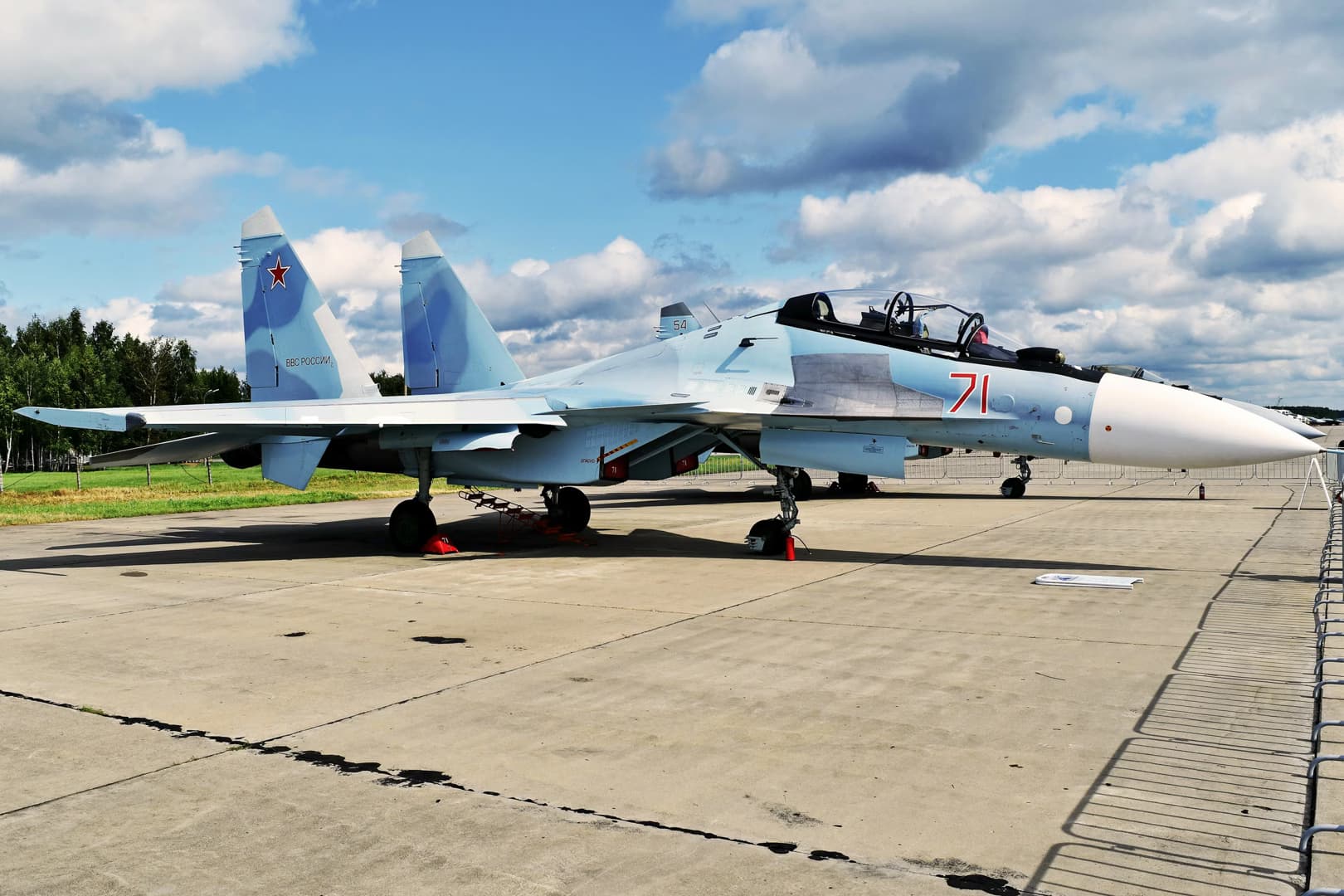
Peskov announced that Vladimir Putin and Indian Prime Minister Narendra Modi would meet at the BRICS summit and said the leaders were expected to discuss plans for Russia and India to jointly produce the Su-57 fighter jet.
Peskov said Russia was ready to continue supplying military equipment to India and stressed that its obligations regarding the supply of S-400 air defense systems would be fulfilled. He also said the two countries had largely similar positions on Ukraine.
Message on the Strait of Hormuz and Iran
Peskov said the situation involving Iran was tense and was negatively affecting the global economy. He added that Russia supported freedom of navigation in the Strait of Hormuz, including for tankers and commercial vessels. He also said they were ready to contribute to improving relations between Iran and the United Arab Emirates.
Peskov said they supported establishing security and mutual trust in the region.
Lavrov calls for a political solution
Russian Foreign Minister Sergey Lavrov met with Saudi Foreign Minister Faisal bin Farhan Al Saud, who was visiting Moscow. Speaking at a press conference after the meeting, Lavrov said current problems should be resolved through political and diplomatic means on the basis of international law.
Lavrov said the memorandum of understanding signed between Iran and the United States in June had been disrupted. He said they supported finding avenues for consensus with Saudi Arabia to resolve disputes and implement the memorandum.
Lavrov said Russia’s and the Gulf Cooperation Council’s approaches and initiatives on security in the Middle East overlapped. He described as useful the organization of a forum to discuss proposals for lasting peace in the region.
Gaza and Yemen on the agenda
Lavrov claimed that no progress had been made in the Gaza Strip despite the agreement presented as U.S. President Donald Trump’s plan. He said agreements reached between Hamas and Israel last year had not been implemented and that a comprehensive resolution of the Palestinian issue would bring lasting peace to all peoples of the region.
Lavrov said the security of all states in the region, including Israel, must be ensured and that this should be achieved through an agreement rather than military force. He called for the protection of the safety of commercial navigation on the world’s seas, including off the coast of Yemen.
Lavrov said the problems in Yemen should be resolved through direct dialogue among political forces under the auspices of the United Nations. He called for the roadmap prepared between the Yemeni government and the Ansarullah Movement at Saudi Arabia’s initiative to serve as the basis.
Lavrov said they shared Saudi Arabia’s support for the territorial integrity and sovereignty of Syria and Sudan. He said international initiatives to resolve the problems in these countries should be strengthened, adding that he did not consider the Houthis’ attacks on areas in southern Saudi Arabia constructive and that they did not accept resolving problems through military means.
Saudi Arabia accuses the Houthis
Saudi Foreign Minister Faisal bin Farhan claimed that the Houthis in Yemen put their own interests ahead of those of the Yemeni people and chose to use force to achieve their goals.
Bin Farhan said his country continued to pursue proposals for a peaceful solution and that they had observed initiatives aimed at increasing tensions in Yemen. He claimed that the Houthis were provoking the Yemeni government and the international community, and said the diplomatic process had not ended and that they would continue working for regional stability.
Stay Updated with Ally Daily
Subscribe to be informed about special news, developments and announcements. We will keep you informed.
By signing up, you agree to our Privacy Policy