Russia is recruiting young women from Latin America for military drone production. An investigation by French newspaper Le Monde reveals that the 'Alabuga Start' program, after Africa and Asia, is now targeting Latin America with large-scale promotional campaigns.
The program promises young women training and job opportunities in fields such as tourism and logistics. Attractive offers include a monthly salary of over $500, low-cost housing, and coverage of travel expenses to Russia.
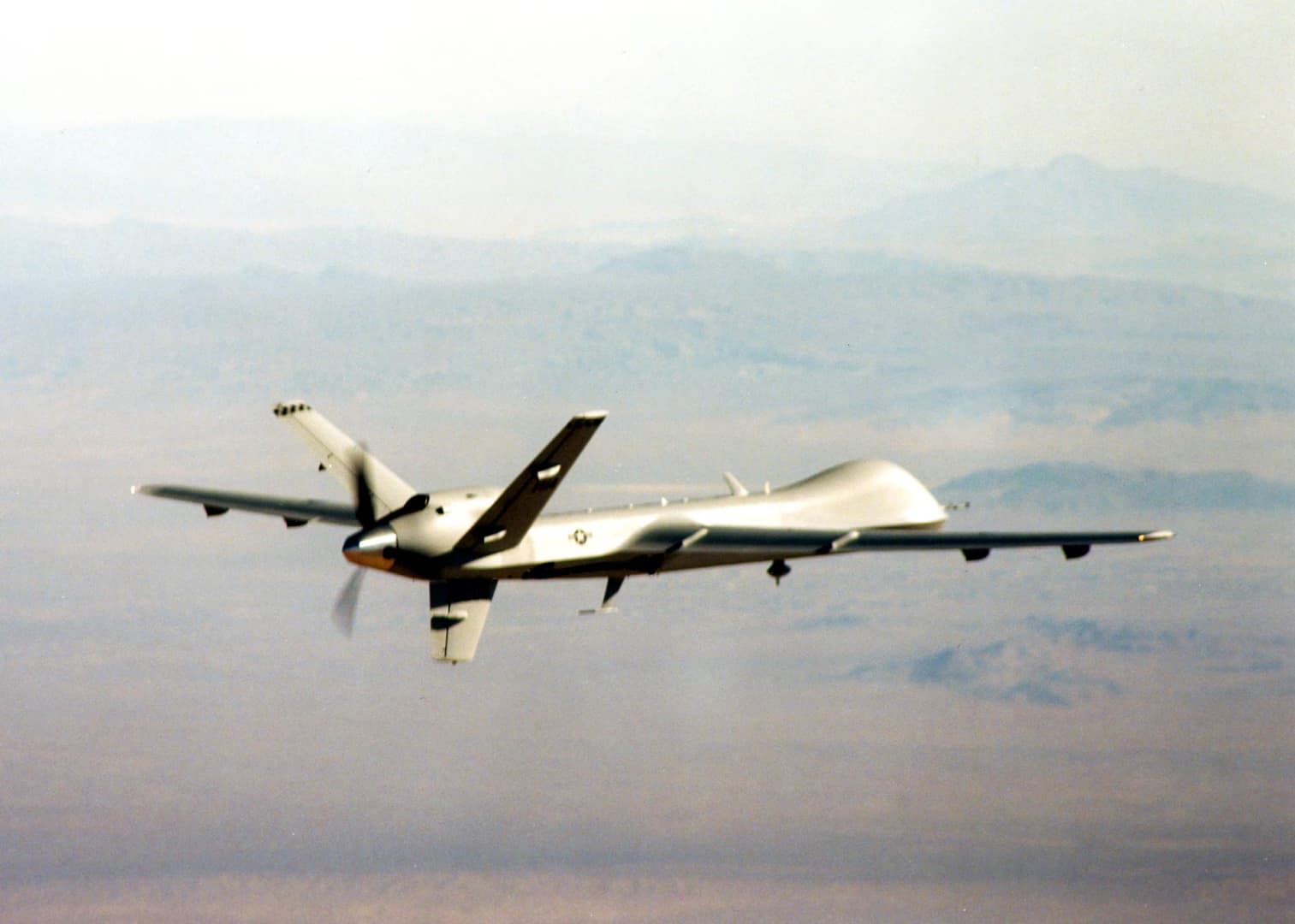
But the reality is different. According to information obtained by Le Monde, some of the women who come to Russia with these promises are directed to facilities in the city of Alabuga in the Republic of Tatarstan. There, they are put to work on the assembly line of Iranian-made Shahed drones, which Russia uses in the war in Ukraine. These drones are being developed domestically in Russia under the names 'Geran-2' and 'Geran-3'.
Labor shortage and abuse allegations
Western sanctions and a lack of local labor have pushed Russian officials and affiliated companies to seek foreign workers. Since 2022, the Alabuga special economic zone has become the country's drone production hub.
Contrary to the program's promises, former female workers from Africa complain of harsh working conditions. They have voiced allegations of abuse, including exhausting working hours, exposure to hazardous chemicals, restrictions on freedom of movement, and confiscation of passports when they wanted to leave.
Strategic tool against US influence
According to Le Monde's analysis, Moscow views this program not only as a means to supply cheap labor to its factories, but also as part of a broader strategy. Russia aims to increase its influence in Latin America, where it competes with US influence.
Russia's propaganda, conducted through Spanish-language media outlets like Sputnik and Russia Today and local influencer networks, helps improve its image in the region. Analysts believe that Russia's success in attracting workers from geographically distant countries reflects the strength of its media and political networks, which also draw on historical ties dating back to the Cold War.
The report also stresses that Russia's activities in the region are not limited to industry. There are also reports of Cubans being sent to the Donbas front to fight in the war in Ukraine.
Some researchers, however, question the sustainability of this strategy. They argue that Russia is no longer a former superpower and that its growing reliance on influence operations is an attempt to compensate for the decline in its traditional capabilities.