At a United Nations Security Council session on the crisis in Yemen, the US and the UK warned about the impact of Houthi attacks on regional stability and international shipping.
Washington called on the Houthis to end their attacks on countries in the region and commercial vessels in the Red Sea. London said a dangerous escalation of violence had taken place in Yemen and its surroundings in recent weeks.
The US outlines Houthi targets
Jennifer Lusita, the US deputy representative to the United Nations, said the Houthis were conducting a systematic operation to undermine maritime transport and waterways.
Lusita said vessels linked to Saudi Arabia and critical facilities in the energy sector had been targeted. She also said the Houthis had carried out drone attacks on airports in Saudi Arabia and that civilians had been killed in the attacks.
The US representative said missile attacks had been carried out against areas controlled by Yemen's internationally recognized government. Lusita also accused the Houthis of cooperating with Iran and conducting activities that could undermine regional stability, adding that Washington supported the Yemeni government and Saudi Arabia.
Lusita said the operations were dragging Yemen into a broader regional conflict and called on the Houthis to halt the attacks.

The UK renews call for Iran to end its support
Kate Foster, the UK's deputy permanent representative to the United Nations, said the Houthis had attacked Saudi Arabia with drones and missiles and had also targeted international shipping in the Red Sea.
Foster alleged that Iranian aircraft had violated Yemen's airspace. The British representative called on Iran to stop supporting the Houthis and said that support threatened the stability of Yemen and the region.
Foster called on the Houthis to focus on peace efforts instead of widening the conflict and to ease the hardship faced by Yemenis. She said the UK remained committed to the security and sovereignty of Yemen and Saudi Arabia, as well as regional stability.
Tensions in the Red Sea and the naval coalition
Tensions in the Red Sea and the Gulf of Aden have increased since July 20, 2026. The Houthis announced that they would impose a naval blockade on vessels linked to Saudi Arabia, Yemen's neighbor.
Saudi Arabia formed a defensive naval coalition to protect freedom of navigation in the Bab el-Mandeb Strait. The coalition included the US, Yemen, Kuwait, Oman, Jordan, Sudan, Morocco, the Maldives, Bangladesh and New Zealand.
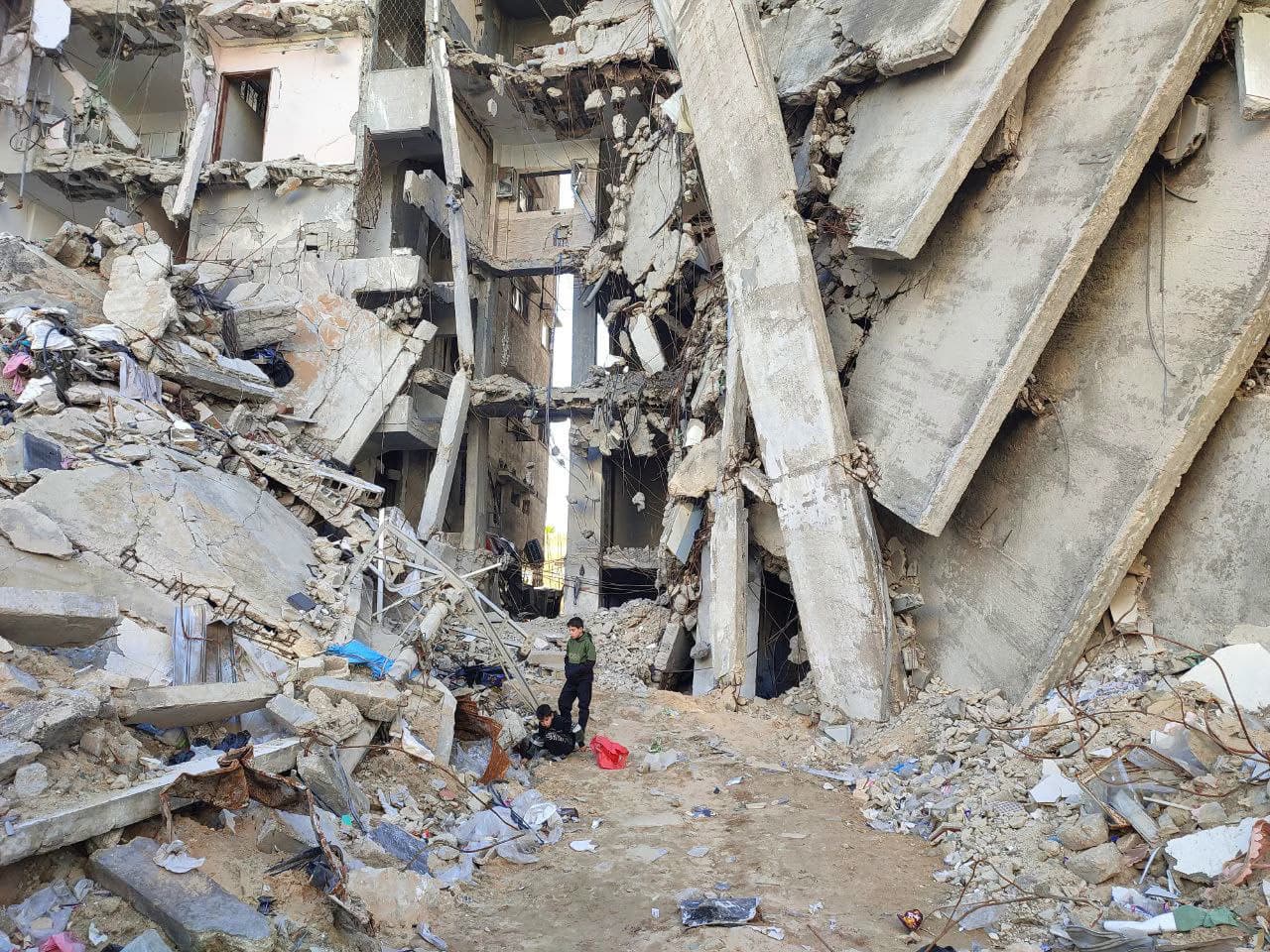
During the same period, fighting between forces loyal to the Yemeni government and the Houthis resumed in the governorates of Marib, Al Jawf, Al Dhale and Taiz. Yemen is facing a severe humanitarian and economic crisis.
Background to the Yemen war
Saudi Arabia has led a coalition supporting Yemen's internationally recognized government since 2015. Iran is accused of supporting the Houthis.
The war between Yemeni government forces and the Houthis began about 12 years ago. The Houthis have controlled several governorates and cities, including the capital, Sanaa, since September 21, 2014.
Ridvan Sezer | Editor-in-Chief