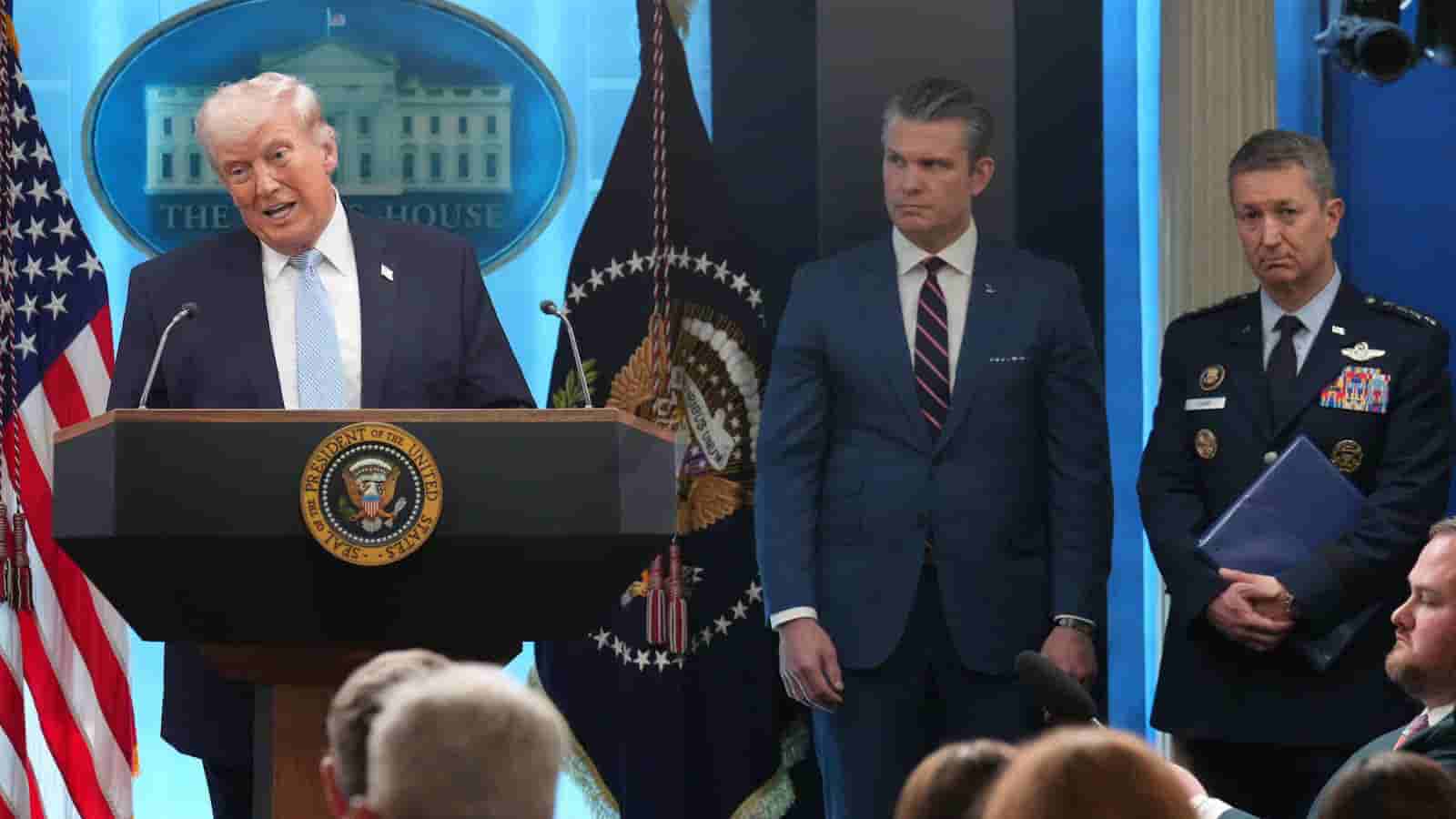
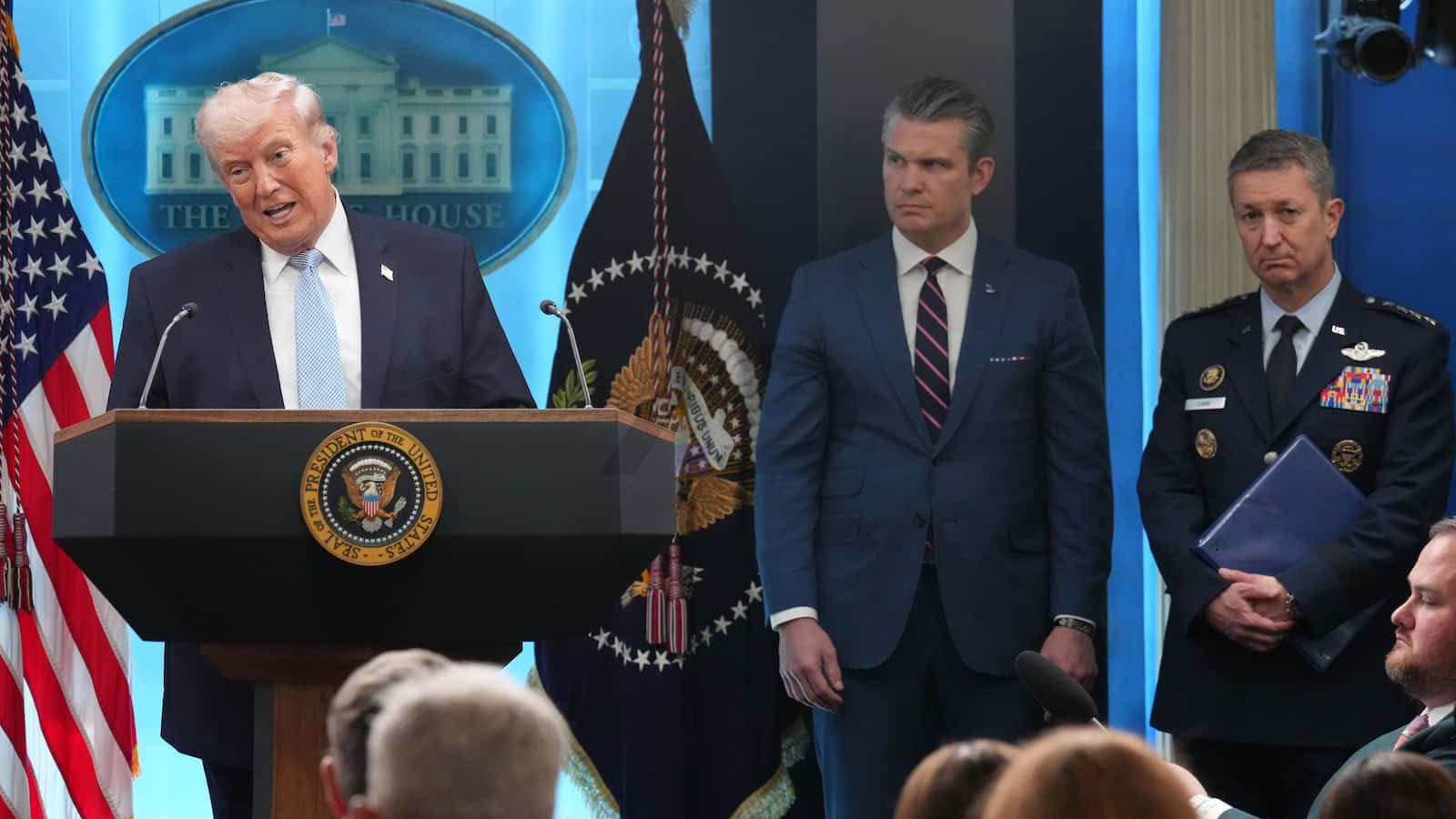
The Trump administration filed an urgent appeal to the Supreme Court to clear the way for restrictions on mail-in voting. The Justice Department requested the suspension of a lower court ruling that blocked the executive order Trump signed in March.
The executive order instructs federal agencies to create state-level lists of eligible voters and mandates that the U.S. Postal Service send mail-in ballots only to those on the lists. It also directs the Justice Department to prioritize investigations into election officials who allegedly provide ballots to ineligible voters.
In June, District Judge Indira Talwani blocked the executive order, ruling that Trump does not have the authority to unilaterally change how states administer federal elections. She emphasized that the Constitution places the responsibility for verifying voter eligibility with the states. After the First Circuit Court of Appeals refused to stay the block, the administration took the matter to the Supreme Court.
In its filing to the Supreme Court, the administration argued that the executive order is "general policy guidance," not a directive imposing orders on states. Solicitor General John Sauer stated, "The preliminary injunction is particularly indefensible because the district court prejudged that whatever the agencies choose to do will be unlawful, even as the agencies are still assessing how (if at all) the order will be implemented."
Sauer argued that the new policy must take effect by August to be in place for the November midterm elections, urging the Supreme Court to act swiftly. The move by Trump, who has vowed to end the widespread use of mail-in voting before the midterms, could influence the elections that will determine control of the House of Representatives and the Senate.
Trump has long claimed, without evidence, that the 2020 presidential election was undermined by widespread voter fraud, and he continually questions the security of mail-in voting despite research showing such incidents are rare.
Voting rights advocates warn that restrictions on mail-in voting could disproportionately affect Democratic voters, who historically have a higher tendency to vote by mail compared to Republicans.