- BIST10011,722-2.89%
- USD49.45+0.05%
- EUR55.62+0.37%
- GOLD4,181.100.00%
- INTEREST37.00%-1.00
- BITCOIN80,926-0.56%
- October 19, 202615°
- BIST10011,722-2.89%
- USD49.45+0.05%
- EUR55.62+0.37%
- GOLD4,181.100.00%
- INTEREST37.00%-1.00
- BITCOIN80,926-0.56%
- October 19, 202615°
Trump Criticizes Fed's Potential Rate Hike and Urges Freedom for Warsh
Donald Trump criticized the Federal Reserve's potential interest rate hike, saying it would punish success. He also expressed that Fed Chair Kevin Warsh should be allowed to "do whatever he wants."


U.S. President Donald Trump sharply criticized the Federal Reserve's potential interest rate hike. Regarding Kevin Warsh, Trump emphasized that he wants the new chair to have broad freedom by saying, "Let him do whatever he wants."
In an interview on the "Meet the Press" program hosted by Kristen Welker, Trump said, "Kevin is great, and I want him to do whatever he wants." He also stated that he does not want to directly dictate the Fed's decisions and argued that raising interest rates while the economy is strong is unfair.
Referring to May's employment data, Trump said the labor market remains resilient. The report indicated that the economy added 172,000 new jobs and the unemployment rate remained steady.
Trump claimed that high interest rates punish success, stating, "There is no reason to raise rates." He argued that the economy grew with low interest rates and said rates should be lowered.
Trump also recalled not only the current period but former Fed Chair Jerome Powell. He had previously criticized Powell for not cutting rates sooner, calling him "very late" and "a big loser."
Powell, in the past, said that an investigation conducted and later withdrawn against him was a result of the Federal Reserve making decisions based on public interest rather than the president's preferences. He also noted that the Department of Justice had issued a subpoena to the Fed related to office renovations and his testimony before the Senate.
Earlier this year, Trump said he wanted to appoint Warsh as Fed chair but would not choose him if he supported rate hikes. In the same interview, Trump acknowledged that the Fed is "theoretically" an independent institution but claimed he knows more about the economy than almost anyone else.
Interest rate decisions are made by the 12-member Federal Open Market Committee. Although the Fed chair is part of this committee, they do not set rates alone.
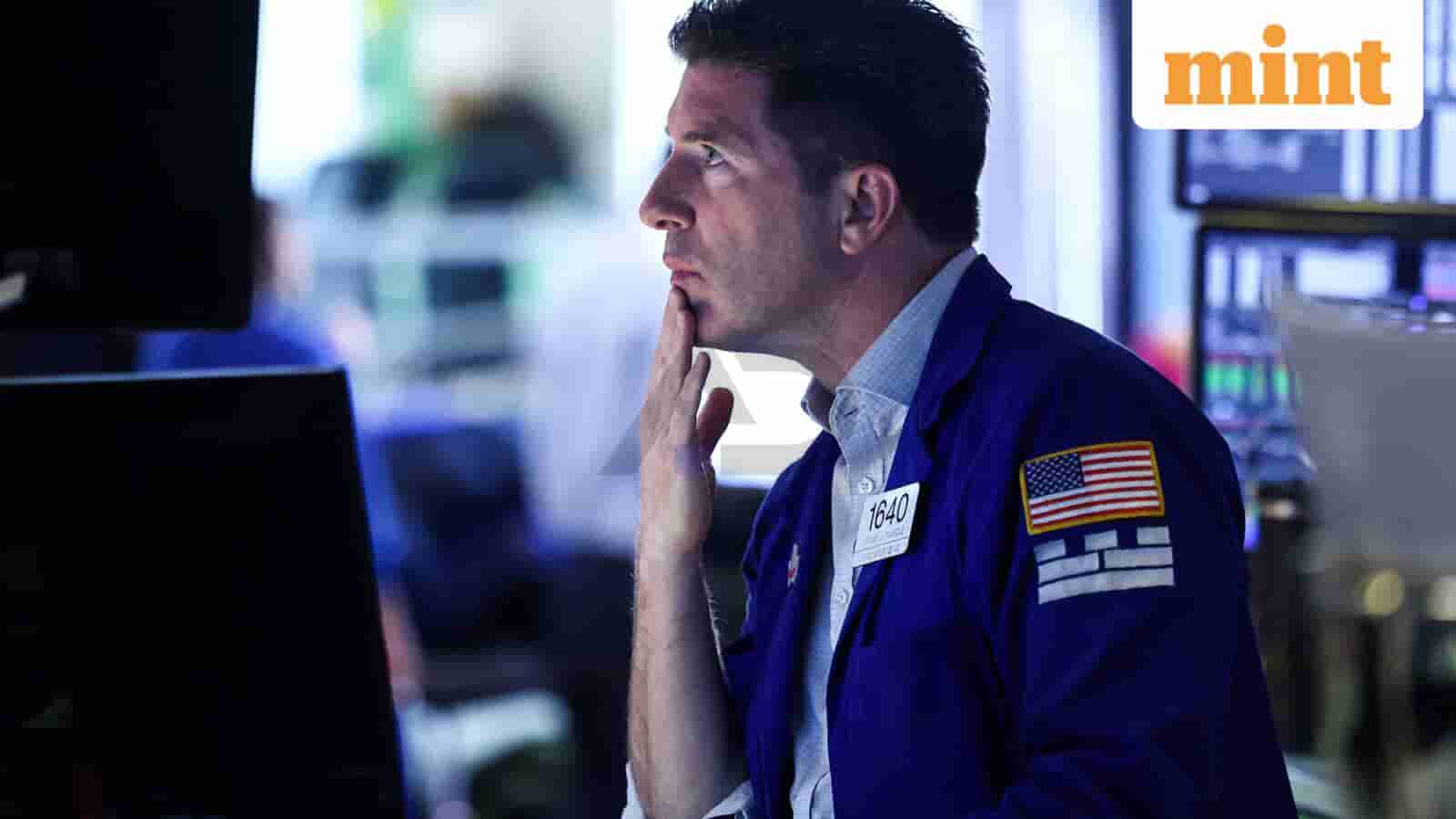
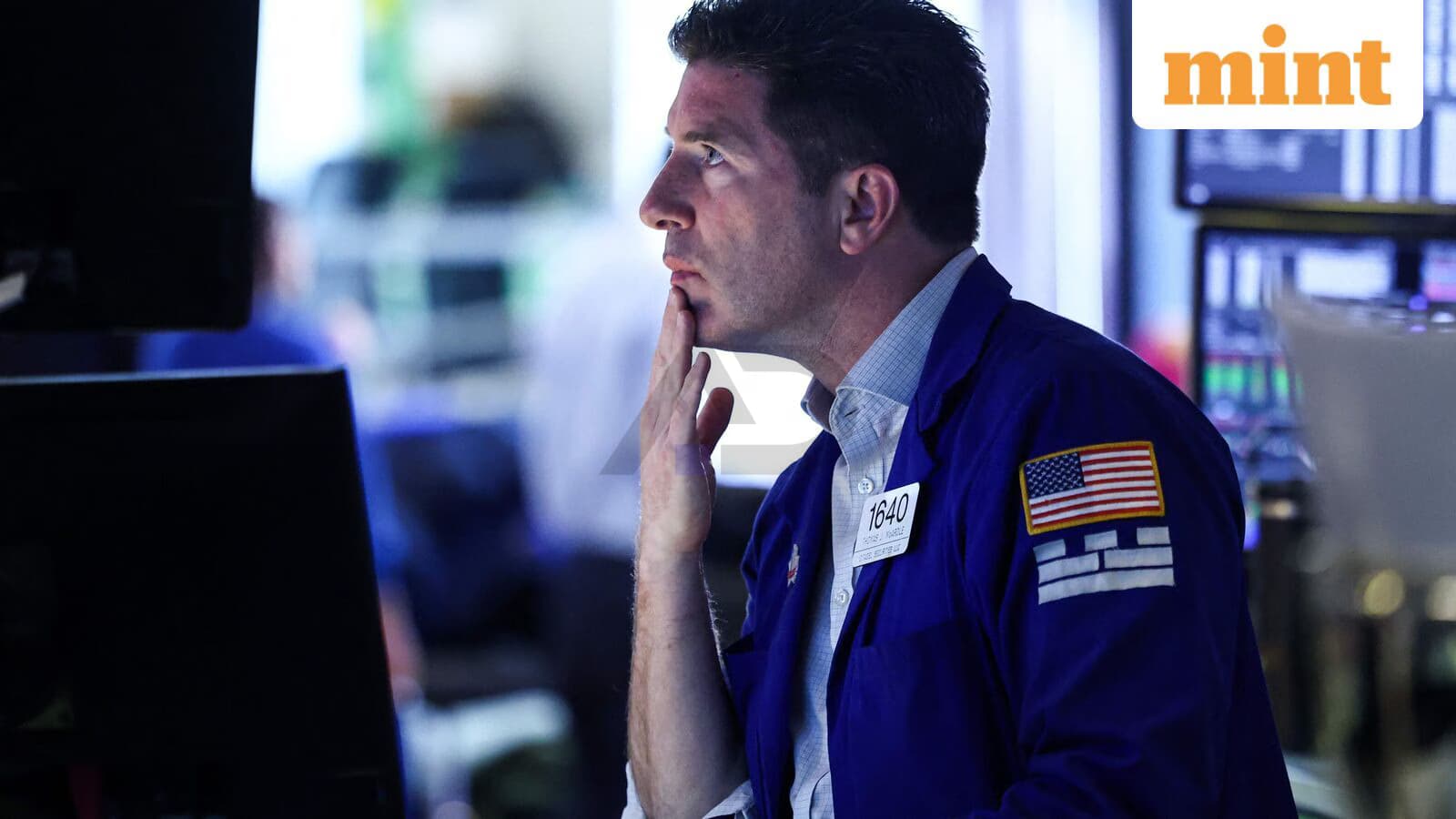
During the days the interview was conducted, stock indexes fell amid concerns that employment data might prompt the Fed to raise rates this year. Oil and natural gas prices, which rose after the start of the Iran war, remained high but declined from their peak levels.
The national average for gasoline was calculated at $4.17 per gallon. This figure represents a $1.19 increase since the war began but remains below the $4.56 peak.
When asked if he would be angry if rates were raised, Trump reiterated his respect for Warsh and repeated his call for low rates. He said, "If we do what I say, it will be a machine that works better and more beautifully than ever before."
Stay Updated with Ally Daily
Subscribe to be informed about special news, developments and announcements. We will keep you informed.
By signing up, you agree to our Privacy Policy