- BIST10011,722-2.89%
- USD49.45+0.05%
- EUR55.62+0.37%
- GOLD4,181.10+0.26%
- INTEREST37.00%-1.00
- BITCOIN81,450-0.06%
- October 17, 202614°
- BIST10011,722-2.89%
- USD49.45+0.05%
- EUR55.62+0.37%
- GOLD4,181.10+0.26%
- INTEREST37.00%-1.00
- BITCOIN81,450-0.06%
- October 17, 202614°
Trump says Europe to release diesel as G7 agrees 100-million-barrel drawdown
Donald Trump said Europe agreed to release a "massive amount" of diesel, as G7 countries agreed to release up to 100 million barrels of diesel and crude over four months.
Ally Daily Editorial DeskUpdated:


U.S. President Donald Trump said on Friday that Europe had agreed to release a large amount of its diesel reserves. "Europe has just agreed to release a massive amount of their heavily stocked Diesel Oil," Trump wrote on Truth Social, adding that the process would begin immediately.
The same day, Group of Seven countries agreed to release up to 100 million barrels of diesel and crude oil over four months, with a "substantial diesel release within the first 20 days," the latest effort by industrial economies to cap soaring fuel prices. European officials had not immediately confirmed the details of Trump’s claim.
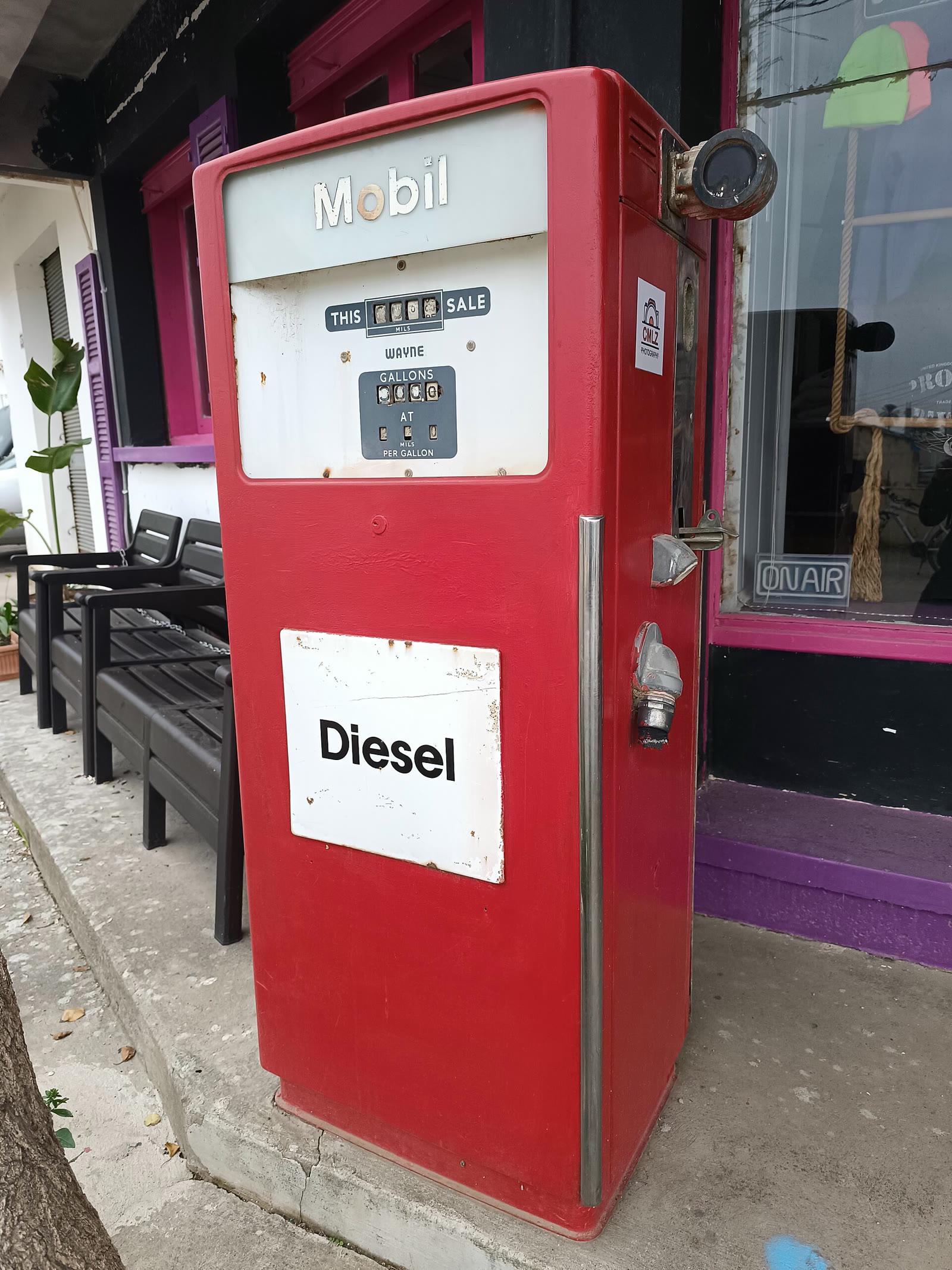
The move followed days of pressure from Washington on European allies, especially Germany and France, which hold a large share of the EU’s diesel reserves. U.S. Energy Secretary Chris Wright had urged EU countries to release 120 million barrels within 180 days, while the administration weighed a possible ban on U.S. diesel exports. The European Union said earlier on Friday that it "fully rejects any ban on diesel."

"American farmers, truckers, and businesses should not be left carrying the burden of a global diesel shortage," Treasury Secretary Scott Bessent said.
Fuel prices have surged since the U.S. and Israel attacked Iran on February 28, disrupting traffic through the Strait of Hormuz. U.S. diesel prices have climbed about 70 percent since late February to $6.37 a gallon, while Brent crude remains above $100 a barrel. In March, International Energy Agency members approved the release of 400 million barrels of crude, which brought only partial relief.
Europe’s fuel stocks under pressure
Europe relies on imports for about 58% of its energy needs, including 96% of its oil and 85% of its natural gas. Current stocks would cover about 66 days of gasoline, 90 days of diesel and around 60 days of jet fuel, with jet fuel inventories at their lowest since 2019. Diesel stocks are below the 90-day level in 15 of the EU’s 27 countries. Europe’s diesel imports from the United States rose 99% year on year between February and June, while supplies from the Gulf and Russia fell. EU Energy Commissioner Dan Jorgensen has warned that higher prices could cost the bloc around 100 billion euros extra in 2026.
Stay Updated with Ally Daily
Subscribe to be informed about special news, developments and announcements. We will keep you informed.
By signing up, you agree to our Privacy Policy