- BIST10011,922+0.67%
- USD50.28+0.05%
- EUR55.60-0.24%
- GOLD3,874.20-0.31%
- INTEREST36.00%-1.00
- BITCOIN64,654-1.01%
- November 16, 20262°
- BIST10011,922+0.67%
- USD50.28+0.05%
- EUR55.60-0.24%
- GOLD3,874.20-0.31%
- INTEREST36.00%-1.00
- BITCOIN64,654-1.01%
- November 16, 20262°
Trump says his deportation drive 'might be too tough,' floats deal with Democrats
In his first sit-down since the midterm losses, the president said undocumented workers who have lived in the U.S. for 10 to 15 years could be part of a negotiated arrangement.
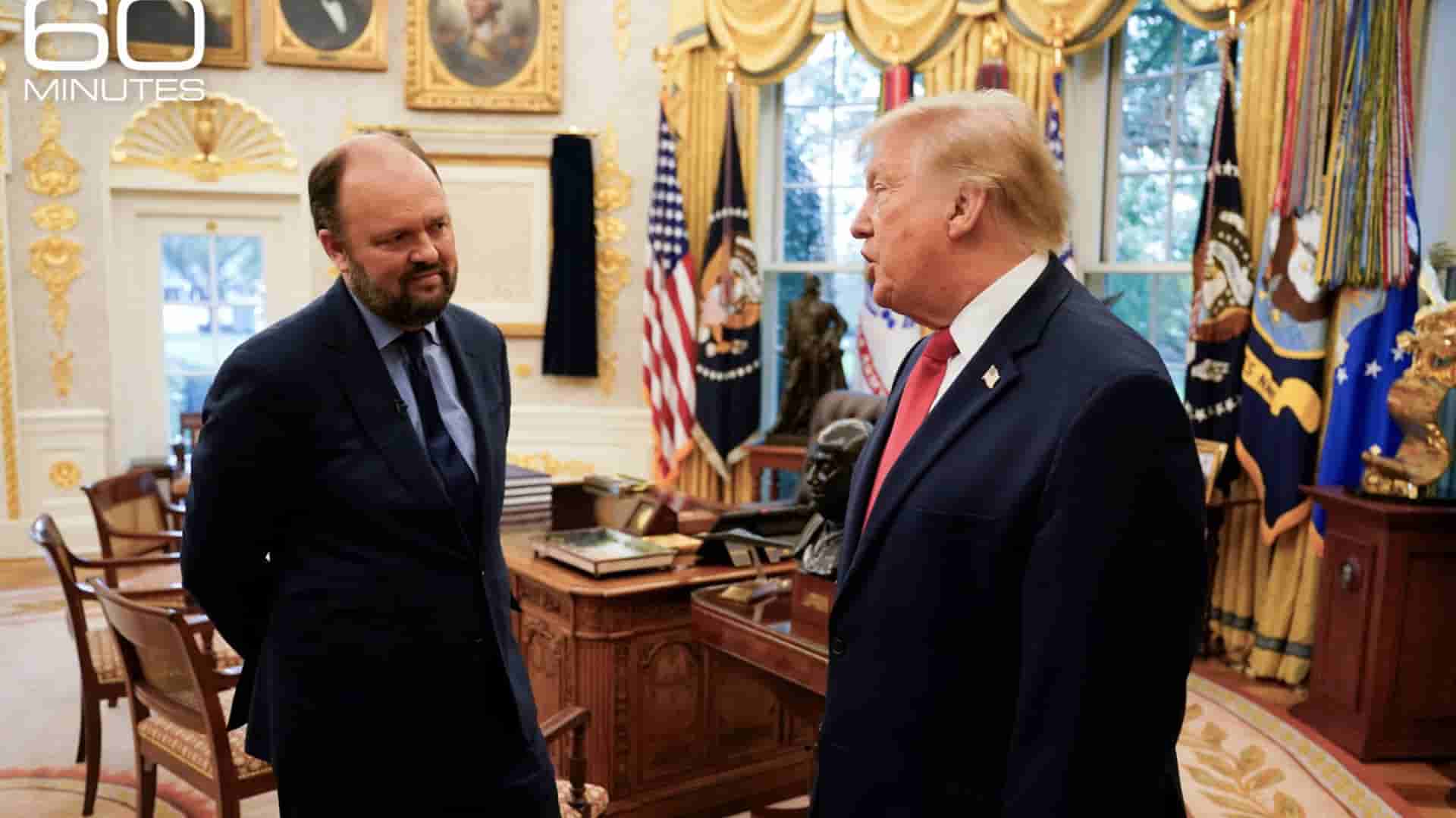
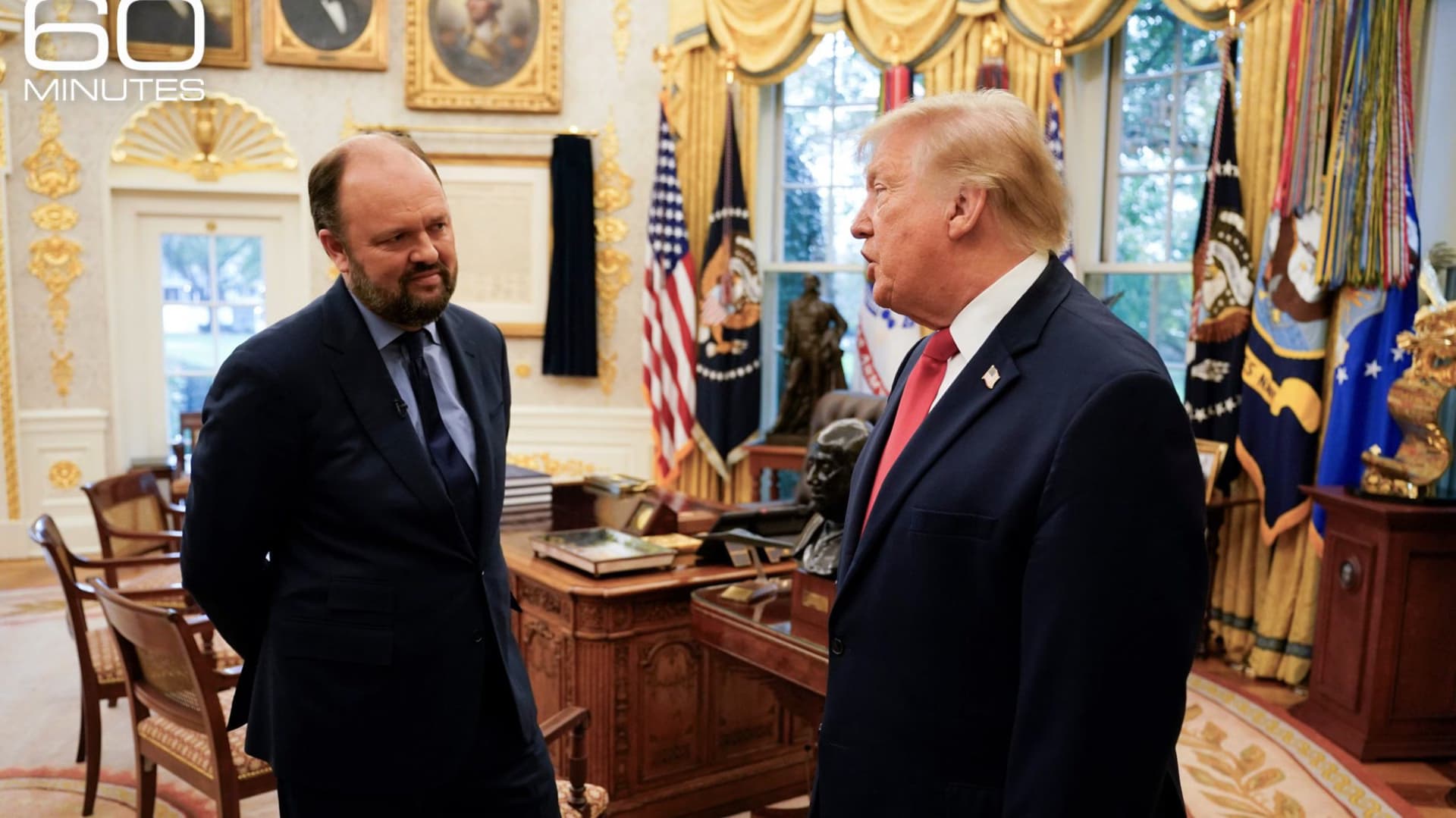
President Donald Trump has conceded that his administration's deportation campaign may have gone further than many Americans were comfortable with, and said he is open to an immigration compromise with Democrats who will control Congress next year.
Speaking to CBS correspondent Ross Douthat in an interview taped Friday in the Oval Office and broadcast Sunday on 60 Minutes, Trump was asked whether the crackdown had gone too far. "I think it was too tough," he answered, before softening it slightly: "I think it might be too tough, yeah." He added that while many people approve of the policy, "a lot of people think it's too tough."
'Both helped and hurt'
It was Trump's first one-on-one interview since Republicans suffered heavy losses in last Tuesday's midterm elections. He said the immigration push had "both helped and hurt" him: voters rewarded him for sealing the border and removing criminals, but he took damage over the removal of people with good jobs whose only offense was entering the country illegally.
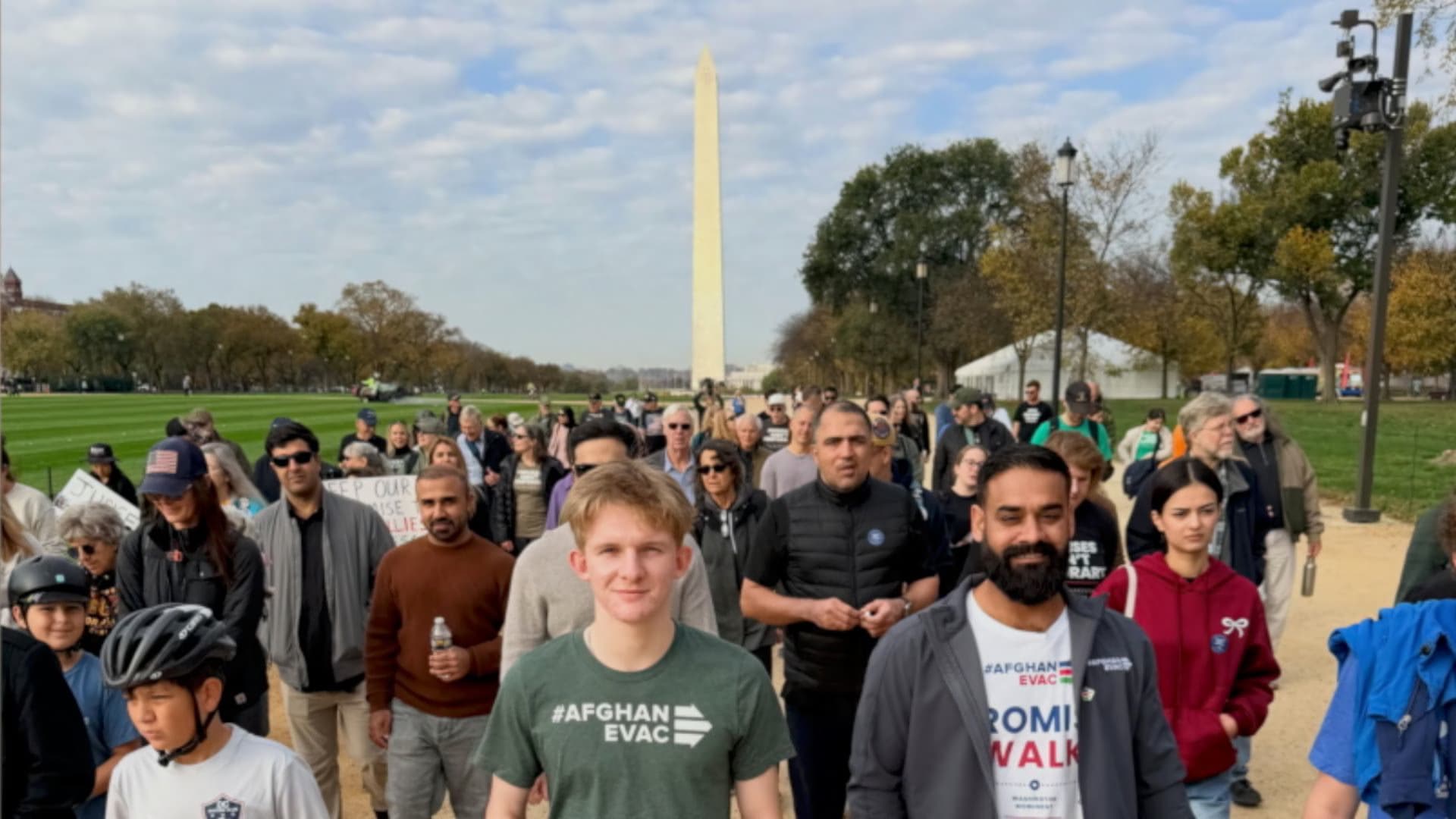
The president described a possible bargain under which authorities would keep targeting killers, rapists and drug dealers, while long-settled immigrants could be allowed to stay. "Let the people that are here, and in some cases here for 10 and 15 years, work a deal for them," he said, calling such an agreement "actually doable." He said some Democrats had already reached out, and when asked whether he could stop insulting them for six months to get a deal, he replied: "Very easily."
Miller's promotion
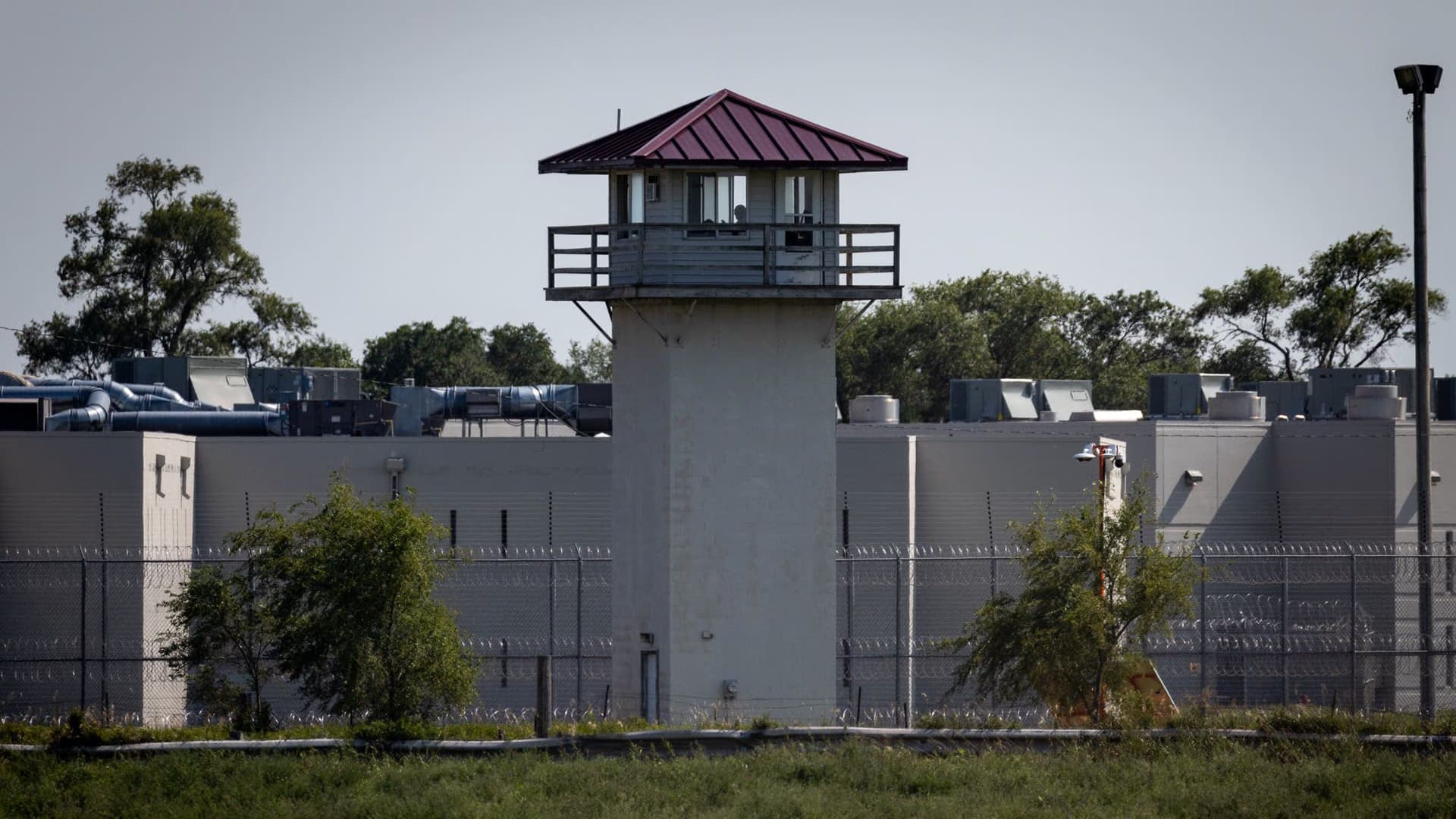
The remarks sit awkwardly with Trump's decision on Friday to name Stephen Miller, the chief architect of his immigration agenda, as White House chief of staff. Immigration and Customs Enforcement raids at workplaces, homes and public places have drawn criticism this year for sweeping up people without criminal records, and federal agents fatally shot two U.S. citizens during operations in Minneapolis.
Trump also pointed to the war with Iran and higher gas prices as major factors in his party's defeat, while insisting he would make the same decision on Iran again.
Stay Updated with Ally Daily
Subscribe to be informed about special news, developments and announcements. We will keep you informed.
By signing up, you agree to our Privacy Policy