A Turkish neuroscientist working in New Jersey has won state funding for a project that aims to spot early signs of autism risk in babies born prematurely. Dr. Ayşegül Güngör Aydın, who directs the Neuroglial Epigenetic Auditory Function (NEAF) Lab at the Biomedical Research Institute of New Jersey (BRInj), received a Clinical Research Pilot Project award from the New Jersey Governor’s Council for Medical Research and Treatment of Autism in October.
Listening to the newborn brain
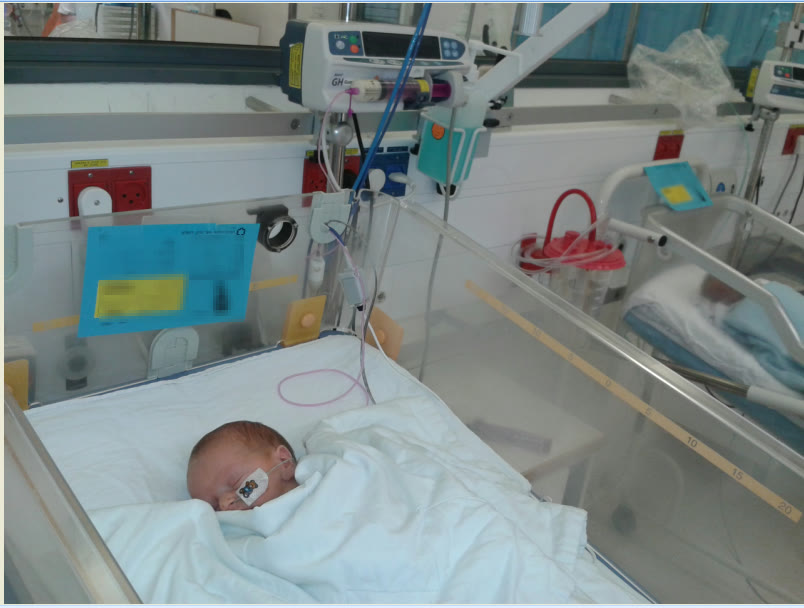
The study will record premature infants’ brain responses to sounds starting from the developmental equivalent of the 32nd week of pregnancy. Researchers will then compare those neurophysiological measurements with the children’s later speech, language and communication skills to see whether early auditory responses can point to differences in development.
Premature birth has been linked in research to a higher likelihood of autism and language delays, which makes the earliest months of life a key window for study. The team stresses that the project is exploratory: it is not a diagnostic test, but an effort to identify biological markers that could one day support earlier assessment.
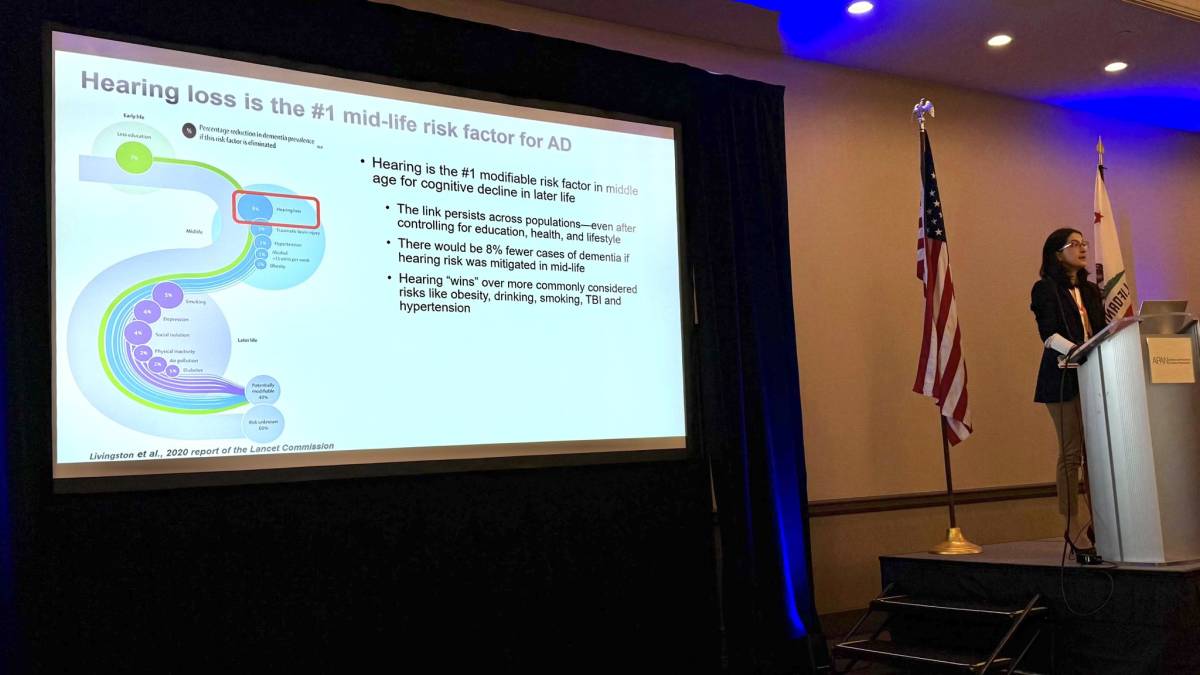
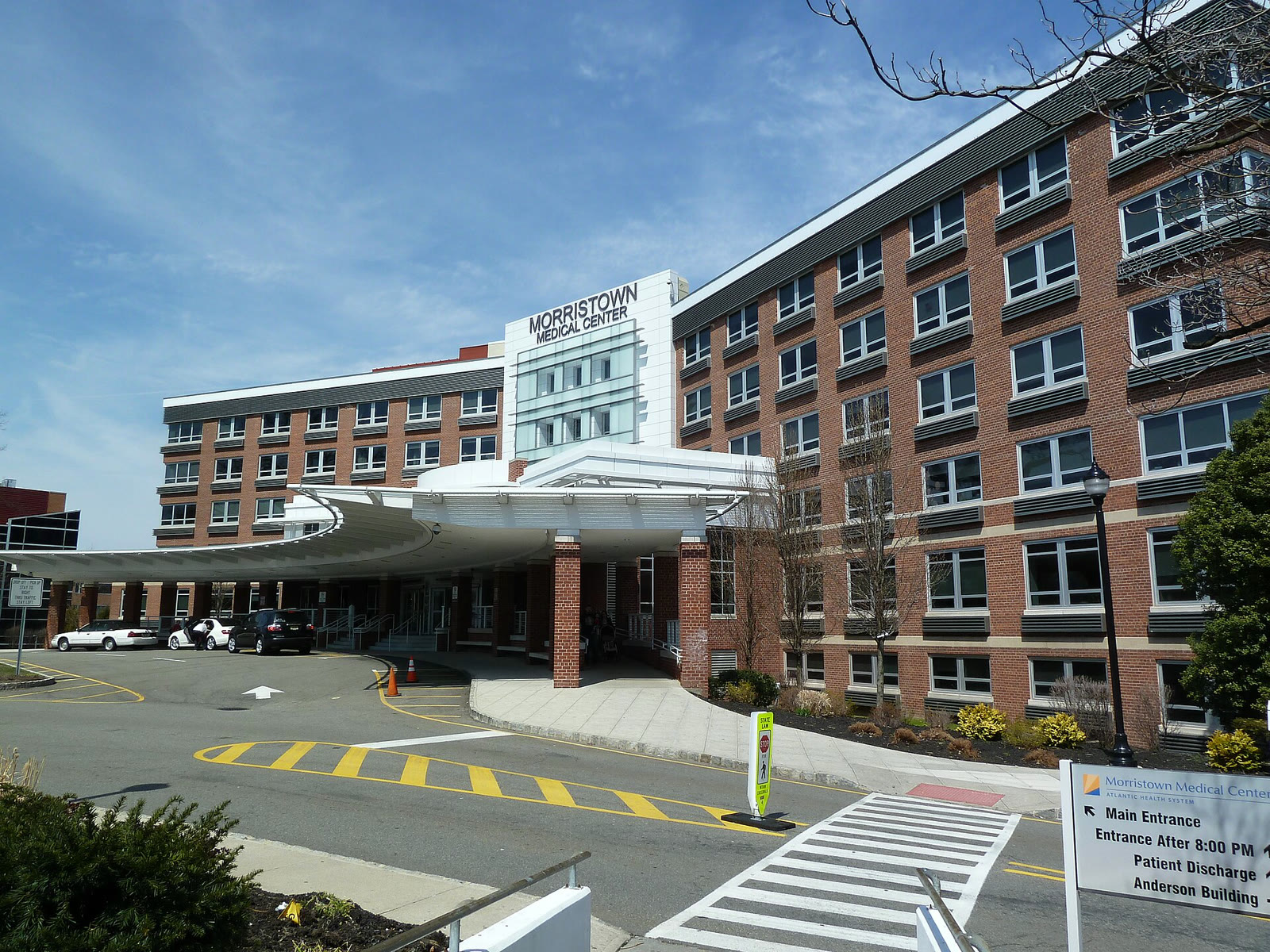
The work is being carried out with clinical teams at Morristown Medical Center — including its neonatal intensive care unit, newborn nursery and Child Development and Autism Center — and MidAtlantic Neonatology Associates.
From rat brains to human infants
Güngör Aydın founded the NEAF Lab at BRInj in 2025 after her postdoctoral research at Rutgers University, where she studied how experience reshapes the auditory brain. In January 2026 she also joined Rutgers New Jersey Medical School’s Department of Pharmacology, Physiology and Neuroscience as an adjunct assistant professor.
Her lab combines preclinical rat models with infant studies. A 2024 paper she co-authored in Scientific Reports mapped the functional diversity of neurons and astrocytes in the adult rat auditory cortex, and her group is also exploring whether hearing-based measures could serve as early markers of Alzheimer’s disease risk.