The Trump administration has proposed steep new fees on Optional Practical Training (OPT), the program that allows international students on F-1 visas to work in the United States in their field of study during or after their degree.
Under a proposed rule released by the Department of Homeland Security (DHS) on Oct. 7, schools certified by the Student and Exchange Visitor Program would have to pay $70,000 before recommending a student for OPT for the first time, and $30,000 for every subsequent recommendation, including the 24-month STEM OPT extension. The fees would apply to pre-completion and post-completion OPT; simply changing employers would not trigger a new payment.
Schools pay — but costs may be passed on
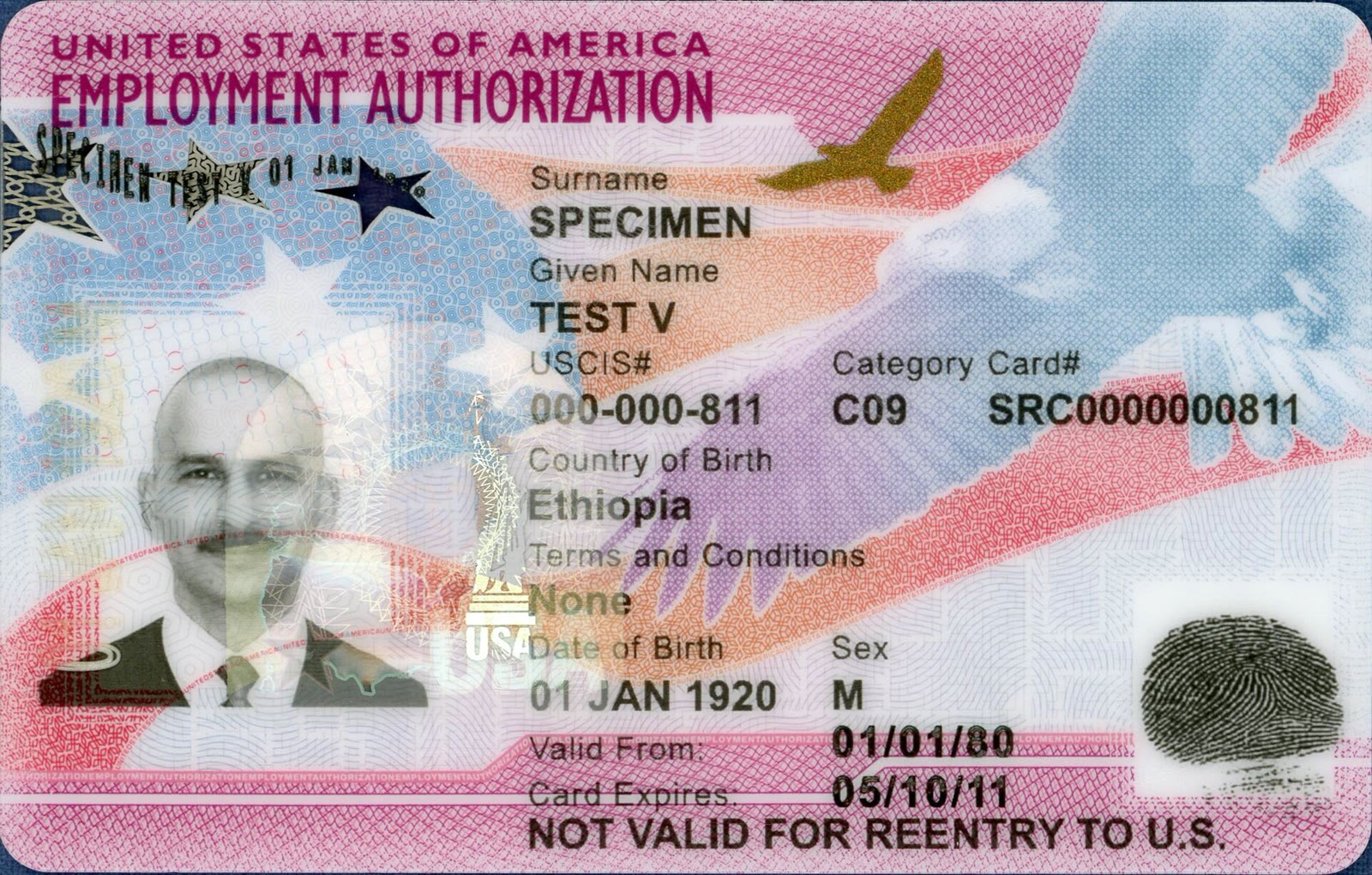
Formally, the bill would go to the university: designated school officials could not enter an OPT recommendation in the SEVIS system until the fee is paid, and U.S. Citizenship and Immigration Services could not issue the work permit without it. However, nothing in the proposal prevents schools from passing the cost on to students or employers.
DHS estimates that about 2,478 schools would be affected and that the fees would generate $8.4 billion to $16.5 billion a year, deposited with the U.S. Treasury. Roughly 200,000 students took part in OPT in 2024.
"Never meant to be a back door"
A DHS spokesperson said OPT "was never meant to be a back door into the American workforce, a subsidy for cheap labor," adding that the fees aim to combat fraud and fund the agency. NAFSA: Association of International Educators pushed back, saying international students "don’t take opportunities from Americans, they create them." Former DHS official Doug Rand questioned whether a fee that flows to the Treasury could amount to "an unlawful tax."
What happens next
The rule is only a proposal and no fees are due yet. The public can submit comments until Nov. 7, 2026. If finalized, the fees would take effect 60 days after publication of the final rule, and students already on OPT or approved before that date would be exempt. The measure would also affect thousands of Turkish students studying in the United States who plan to gain work experience after graduation.