- BIST10011,722-2.89%
- USD49.45+0.05%
- EUR55.62+0.37%
- GOLD4,181.10+0.26%
- INTEREST37.00%-1.00
- BITCOIN81,609+0.13%
- October 17, 202612°
- BIST10011,722-2.89%
- USD49.45+0.05%
- EUR55.62+0.37%
- GOLD4,181.10+0.26%
- INTEREST37.00%-1.00
- BITCOIN81,609+0.13%
- October 17, 202612°
Türkiye leads a digital child safety panel at UN Headquarters
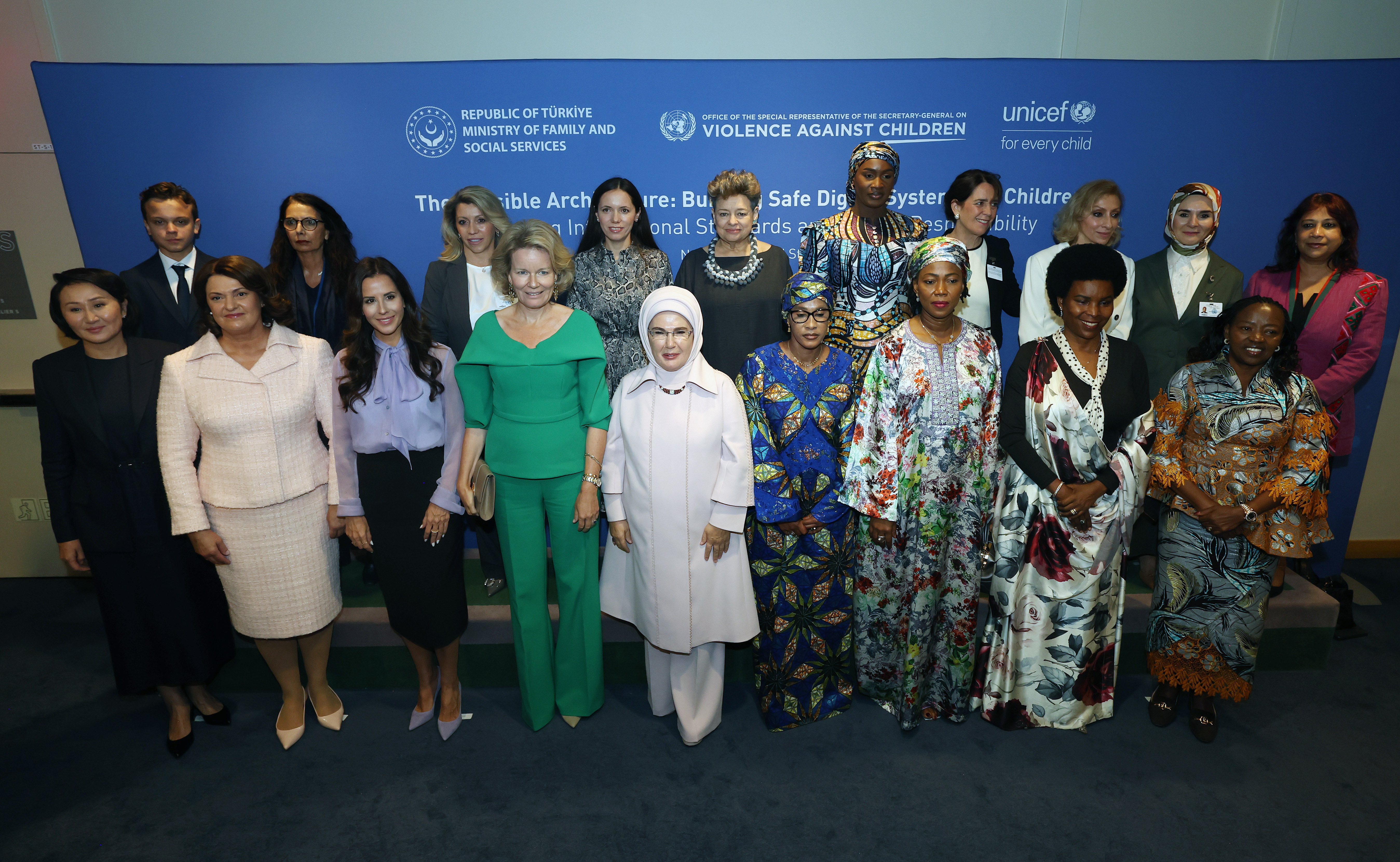
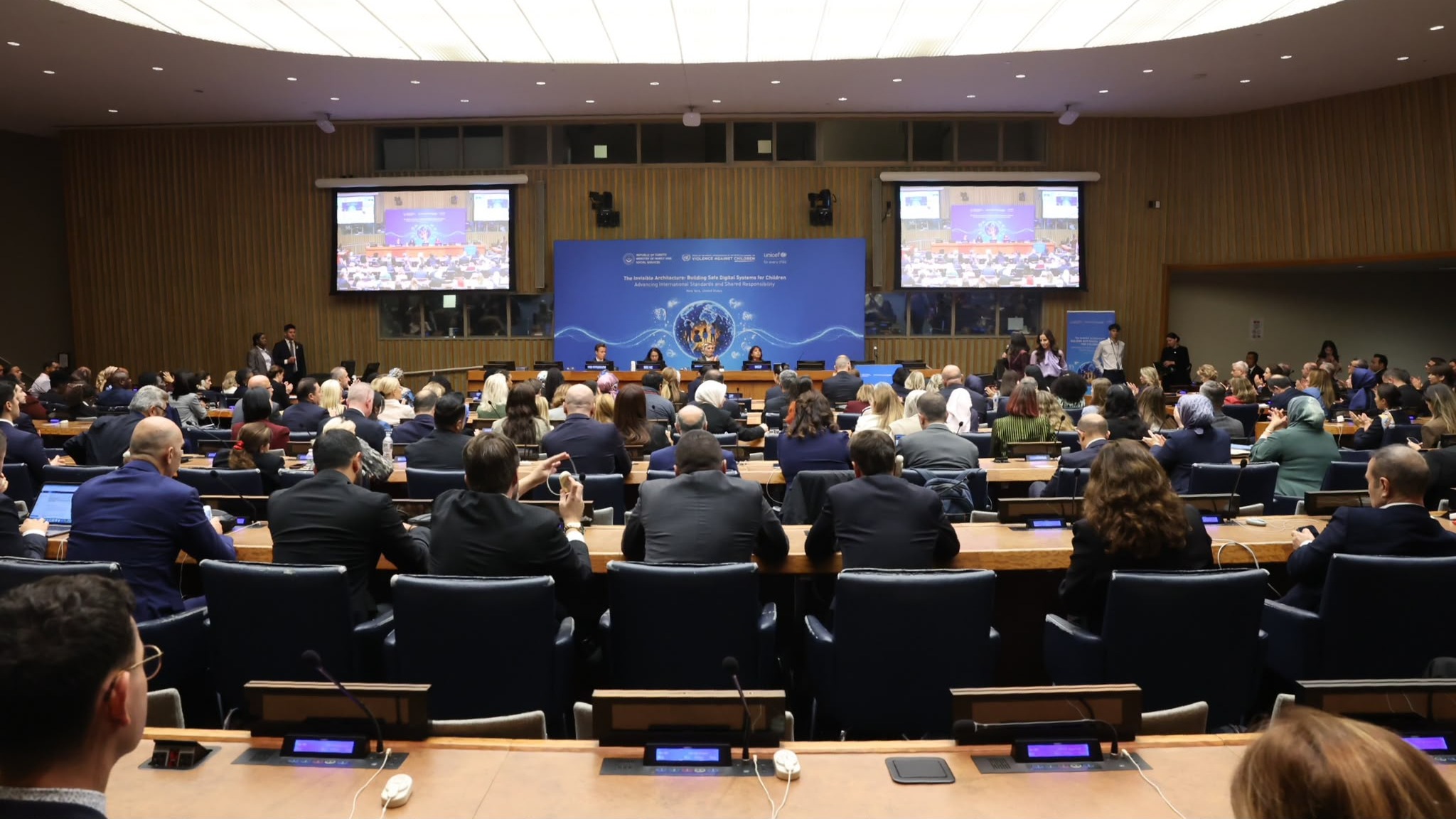
The Ministry of Family and Social Services held a panel at UN Headquarters on safe digital systems for children. The event, titled “Invisible Architecture: Building Safe Digital Systems for Children,” was organized in cooperation with UNICEF and the Office of the UN Secretary-General’s Special Representative on Violence Against Children.


Under the patronage of Emine Erdoğan, wife of President Recep Tayyip Erdoğan, the Ministry of Family and Social Services held an international panel on children’s digital safety at the United Nations Headquarters in New York.
The event, titled “Invisible Architecture: Building Safe Digital Systems for Children, Advancing International Standards and Shared Responsibility,” was organized in cooperation with UNICEF and the Office of the UN Secretary-General’s Special Representative on Violence Against Children.
The impact of artificial intelligence and digital platforms on children was discussed
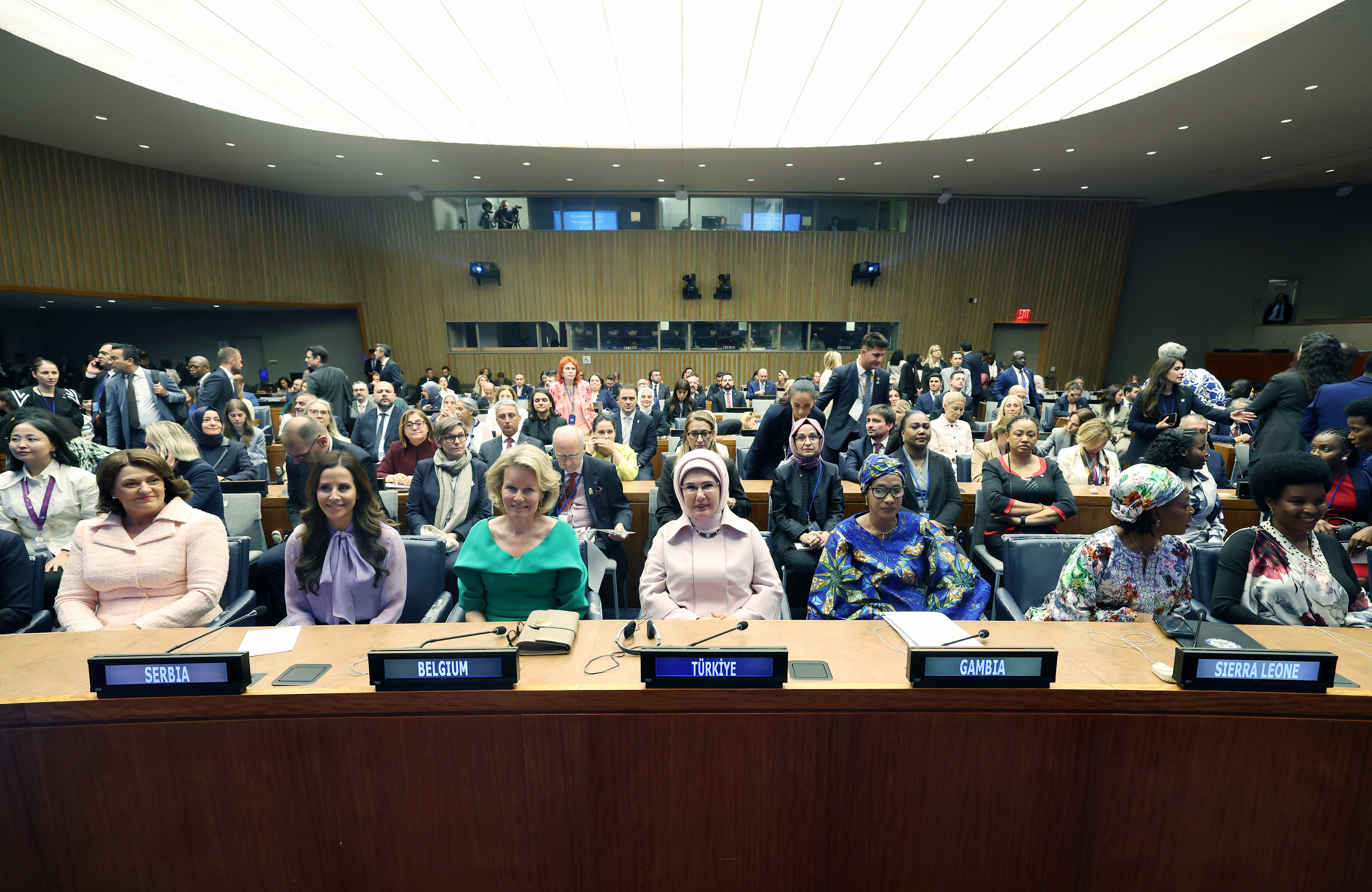
Belgian Queen Mathilde, who opened the panel, said the rapid development of artificial intelligence and digital technologies was bringing new risks for children. Mathilde stressed that child safety should not be limited to parental supervision or data protection, but should be treated as a fundamental element from the design stage of digital systems.
Spouses of leaders attending the event also emphasized the need for stronger cooperation among countries against threats such as online abuse, cyberbullying, privacy violations and harmful content.
 Call for global standards and shared responsibility
The panel highlighted the view that children cannot be protected solely through national regulations because digital platforms operate across borders. It emphasized the need for governments, technology companies, educators, families and civil society to act together.
Sheema Sen Gupta, UNICEF Director of Child Protection, said Türkiye had taken a leading role in bringing children’s online safety to the forefront of the global agenda, adding that protecting children in the digital environment was a global responsibility.
Najat Maalla M’jid, the UN Secretary-General’s Special Representative on Violence Against Children, said that the private sector and other actors in the online ecosystem, alongside governments, must also assume responsibility for protecting children in the digital environment.
The panel also called for the creation of accessible mechanisms through which children can report harm they experience online and receive rapid support, as well as for the development of common international standards among countries.
Stay Updated with Ally Daily
Subscribe to be informed about special news, developments and announcements. We will keep you informed.
By signing up, you agree to our Privacy Policy