- BIST10011,722-2.89%
- USD49.45+0.05%
- EUR55.62+0.37%
- GOLD4,181.10+0.26%
- INTEREST37.00%-1.00
- BITCOIN81,434-0.08%
- October 17, 202614°
- BIST10011,722-2.89%
- USD49.45+0.05%
- EUR55.62+0.37%
- GOLD4,181.10+0.26%
- INTEREST37.00%-1.00
- BITCOIN81,434-0.08%
- October 17, 202614°
Mamdani orders first NYPD use-of-force review in a decade after Rozario case
New York City Mayor Zohran Mamdani ordered a sweeping review of NYPD use-of-force policies and new accountability measures after an officer involved in the fatal shooting of 19-year-old Win Rozario retired before facing a disciplinary trial.
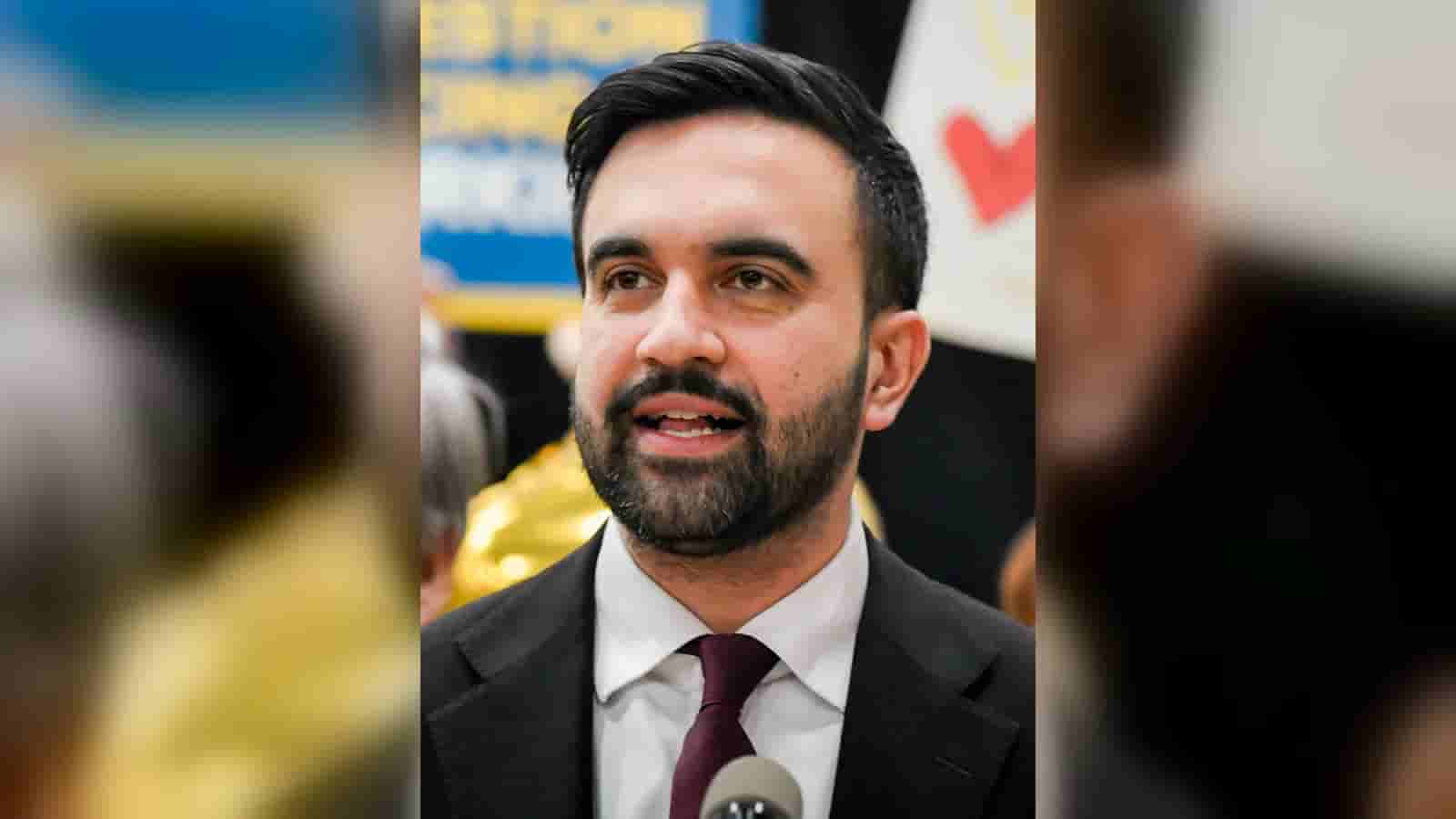
New York City Mayor Zohran Mamdani on Monday, Oct. 12, ordered the NYPD’s first comprehensive review of its use-of-force policies in a decade, along with a package of reforms meant to strengthen accountability when officers face serious misconduct charges. The review will be carried out over the coming months with community input; City Hall has not said when it will be completed or when its findings will be made public.
“When the government uses force against a New Yorker, the standard for accountability must be at its highest,” Mamdani said, adding that New Yorkers deserve to know force will be used lawfully, carefully and only when necessary, and that the city owes that to Rozario’s family and to everyone who calls for help in a moment of crisis.
What changes
The package adds $2.6 million to the NYPD Inspector General’s office, which City Hall says will triple its headcount. Retirement applications from officers with pending Civilian Complaint Review Board (CCRB) cases will now go through two levels of review, the department’s advocate will notify senior CCRB officials, and a pension board vote can be postponed at the board’s request.

The NYPD will also formalize reporting to the state Division of Criminal Justice Services when officers retire with charges pending, which can lead to their law enforcement certification being invalidated and keep them from joining other police agencies in the state. Families will be able to request final Force Investigation Division reports, and the department pledged to comply with state reporting requirements on deaths involving police.
The Win Rozario case
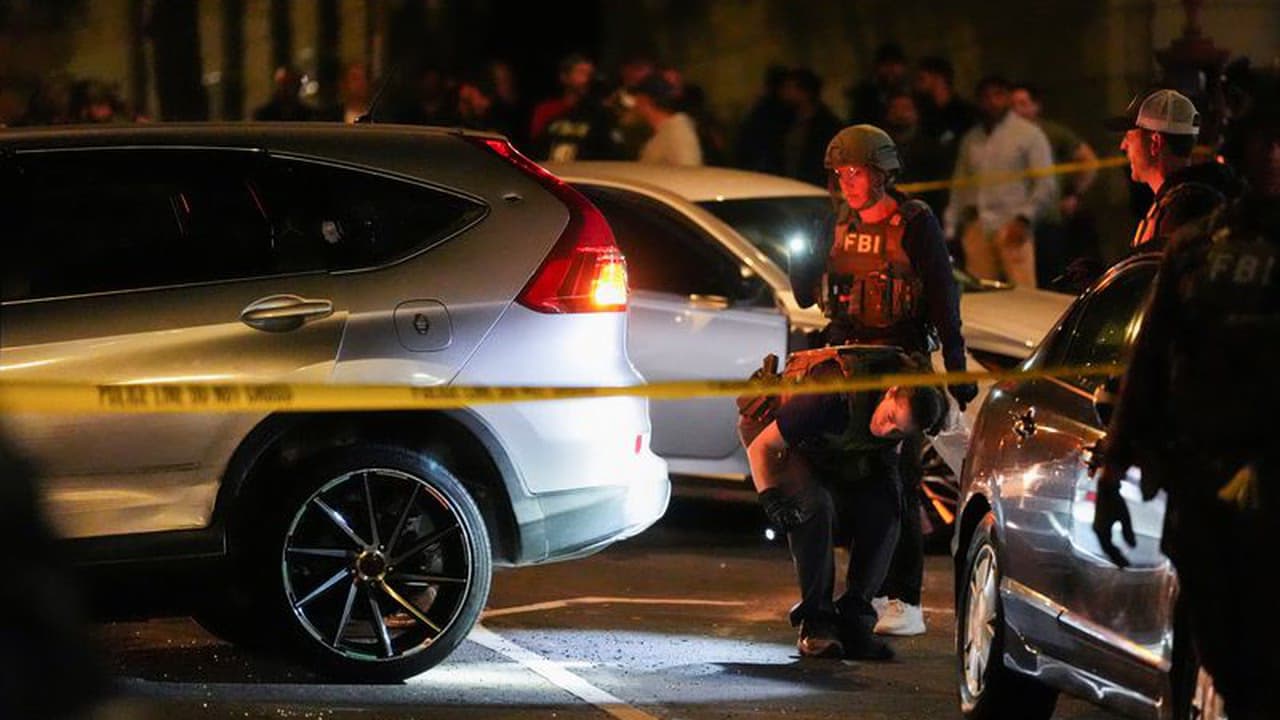
On March 27, 2024, 19-year-old Win Rozario called 911 himself during a mental health crisis at his home in Ozone Park, Queens. Officers Salvatore Alongi and Matthew Cianfrocco responded, and when Rozario approached holding a pair of scissors, they opened fire, striking him five times. His mother and younger brother witnessed the shooting.
In September 2025, the CCRB substantiated eight misconduct charges against the two officers. In December 2025, the state attorney general declined to bring criminal charges, saying prosecutors could not disprove beyond a reasonable doubt that the use of deadly force was justified.

Alongi later retired on an accidental disability pension before his departmental trial could take place. The NYPD said a civilian employee had failed to notify the CCRB of his pending retirement; that employee was demoted and reassigned, and Police Commissioner Jessica Tisch apologized, calling it “human error.” The CCRB confirmed Alongi will no longer face a disciplinary trial, while the case against Cianfrocco is set to proceed, though no date has been scheduled. Rozario’s family, who rallied outside City Hall last week, rejected Tisch’s explanation and called for her firing and an independent investigation.
Unions push back, progressives want more
Police Benevolent Association President Patrick Hendry said the review should also examine how the CCRB interprets use-of-force policies and accused Mamdani of appeasing his “radical base.” The Detectives’ Endowment Association also criticized the board and the administration’s approach.
From the other side, critics say the mayor has been slow to deliver on campaign promises such as disbanding the NYPD’s Strategic Response Group, ending the gang database and building a full Department of Community Safety. Seventeen state-level politicians recently called for the Strategic Response Group to be disbanded. Reported use-of-force incidents rose to 12,348 in 2025 from 4,087 in 2016, according to Al Jazeera, while major crime fell 9.4% in the third quarter.
Stay Updated with Ally Daily
Subscribe to be informed about special news, developments and announcements. We will keep you informed.
By signing up, you agree to our Privacy Policy