- BIST10011,333+2.81%
- USD50.03+0.05%
- EUR56.26+0.56%
- GOLD4,125.10+1.28%
- INTEREST36.00%-1.00
- BITCOIN76,659-4.69%
- November 5, 202622°
- BIST10011,333+2.81%
- USD50.03+0.05%
- EUR56.26+0.56%
- GOLD4,125.10+1.28%
- INTEREST36.00%-1.00
- BITCOIN76,659-4.69%
- November 5, 202622°
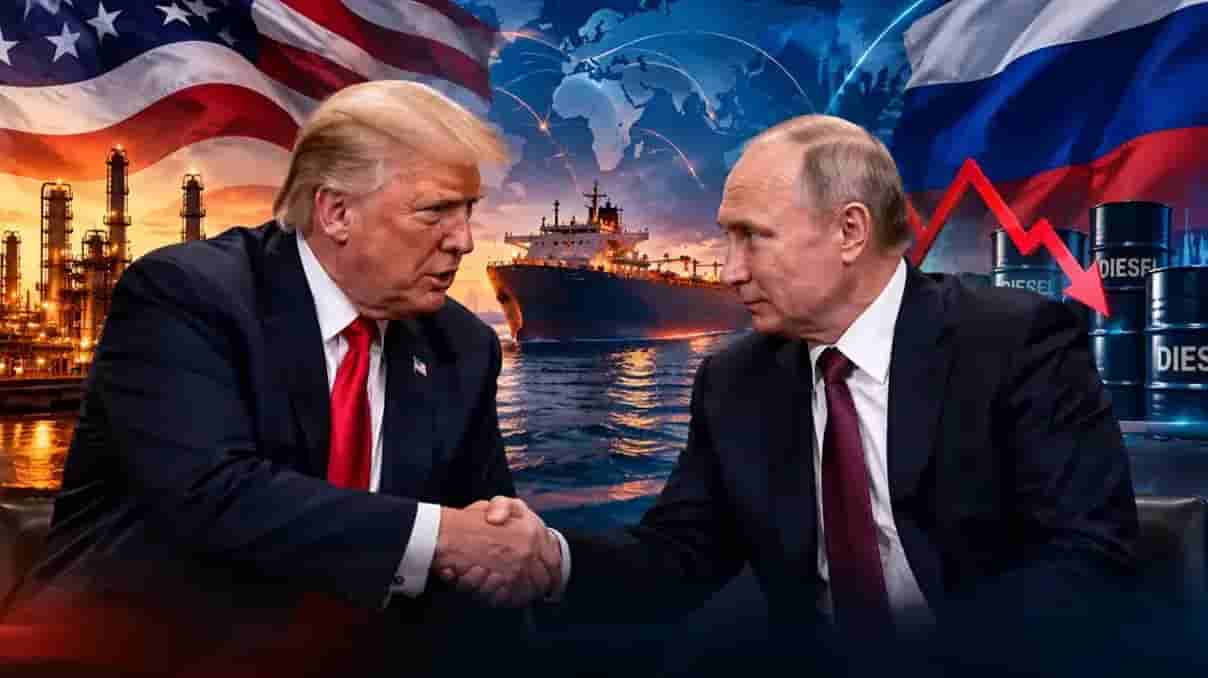
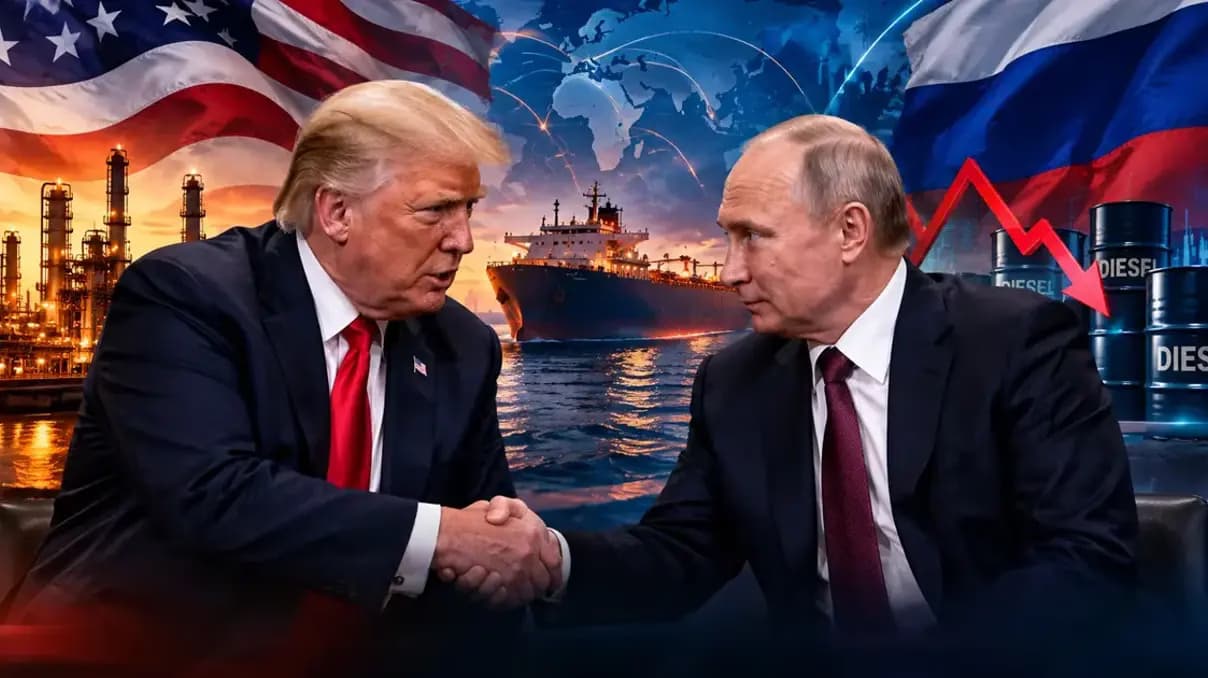
U.S. buyers balk at Russian diesel as Trump's fuel deal with Putin runs aground
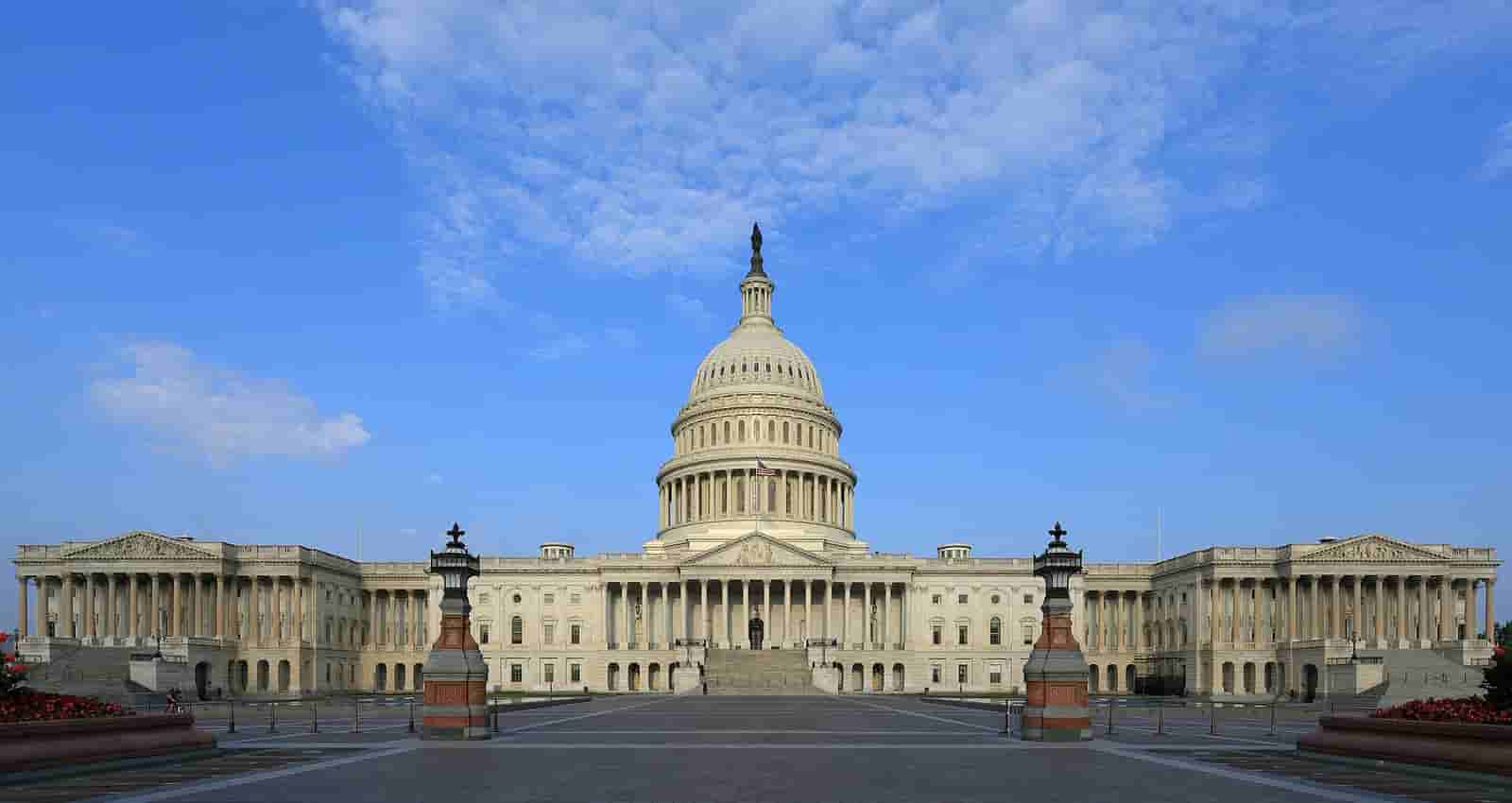
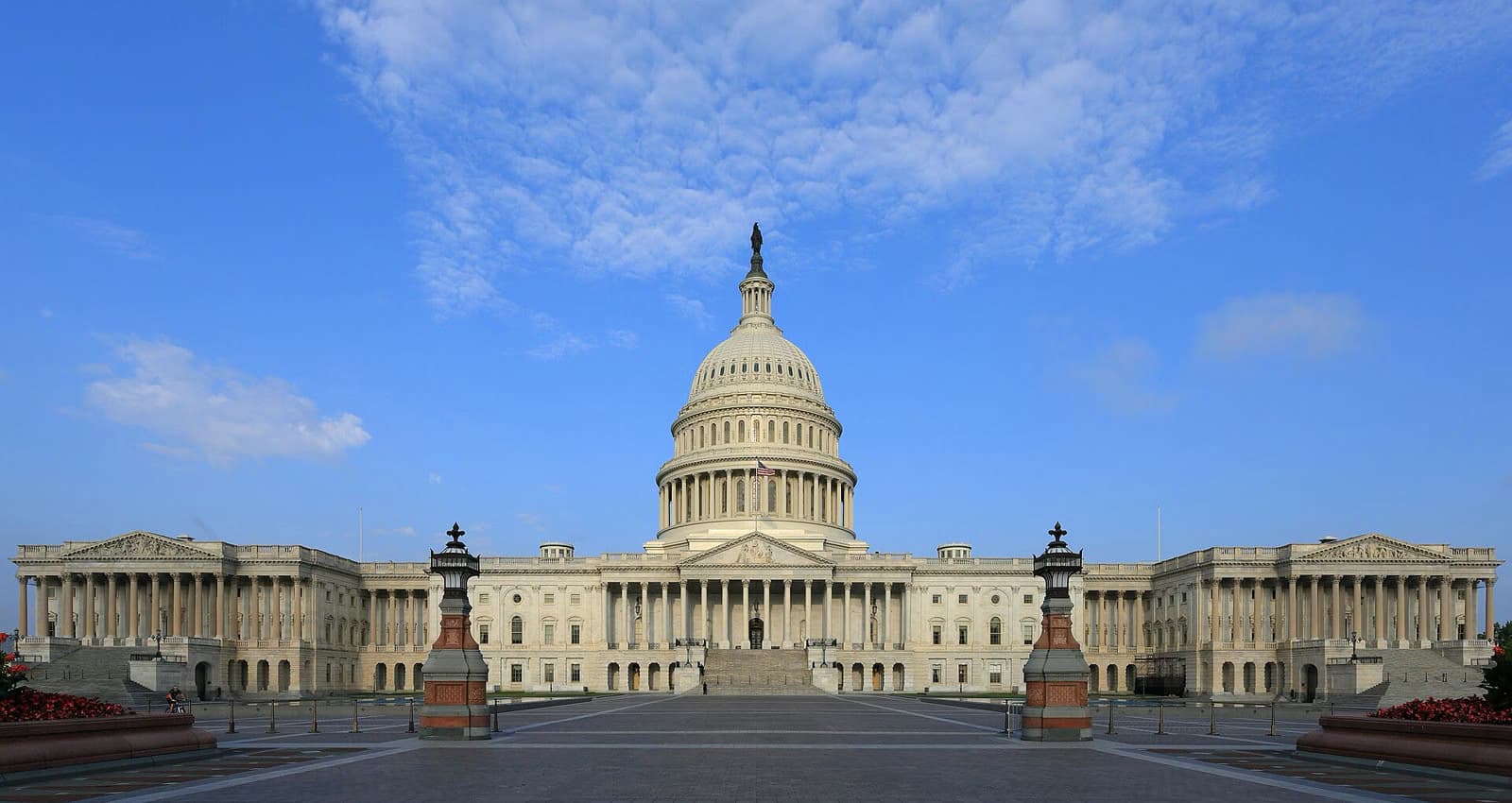
Two of the three tankers hauling Russian diesel toward the East Coast have turned away, the Financial Times reports, as importers, ports and banks steer clear of cargoes that state officials and Democratic lawmakers call illegal. The setback leaves Trump's bid to cool diesel prices, still near $6.30 a gallon, in doubt as Democrats prepare to take over Congress.
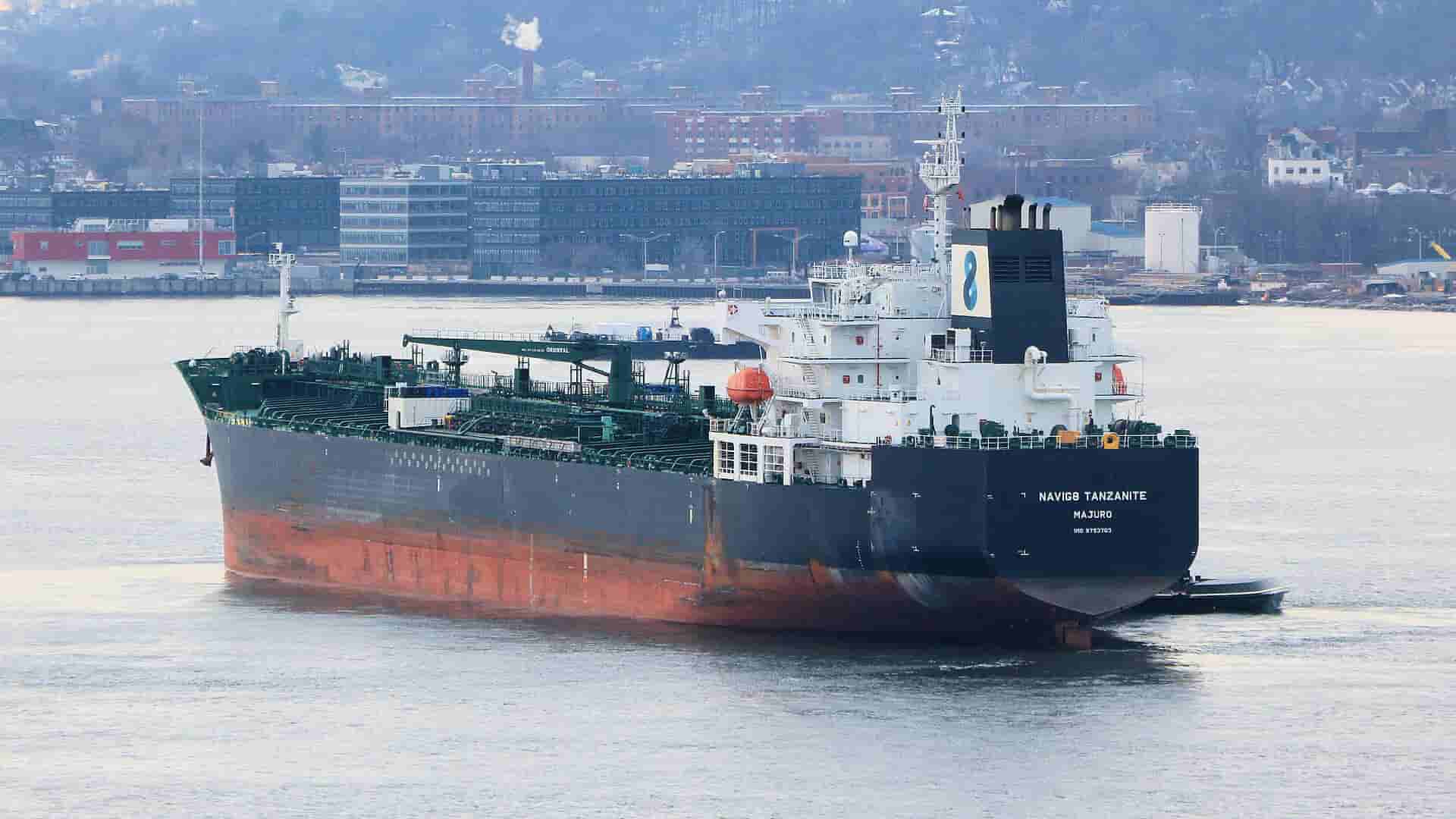
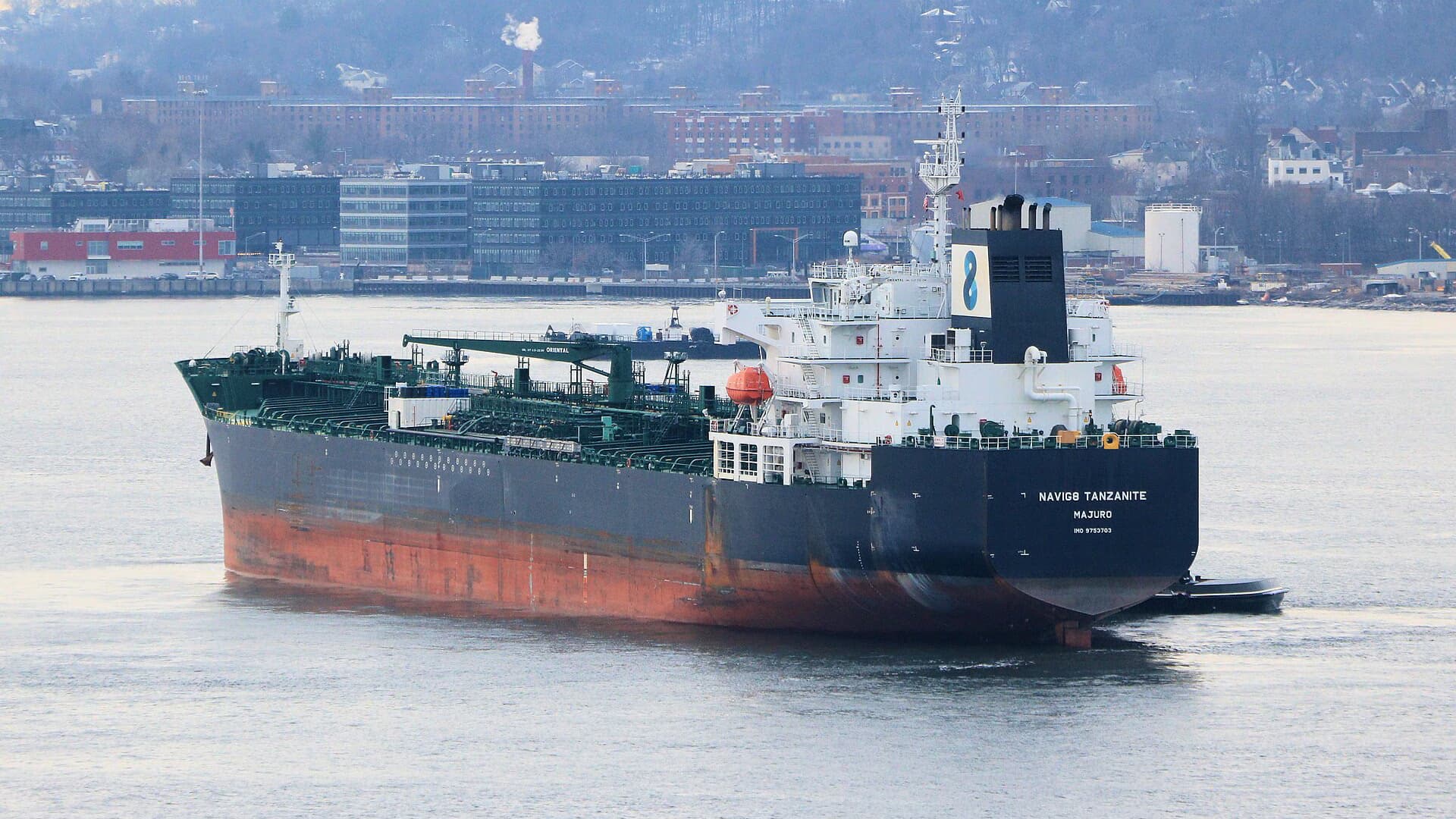
President Donald Trump's diesel deal with Vladimir Putin is running into trouble at sea. Two of the three tankers that set out with Russian diesel for the U.S. East Coast have changed course, the Financial Times reported Wednesday, as American buyers shy away from cargoes that critics say cannot legally be imported.
"Two of the three Russian diesel cargoes bound for the US have now diverted to other destinations," Kpler analyst Matt Smith told the FT. The Hong Kong-owned Leruo, flying the flag of Sierra Leone, switched its signal to Brazil, while the Russian-flagged Talisman crossed into the Mediterranean and is idling off Algeria marked "for orders," shipping shorthand for a cargo with no confirmed buyer or port. Both vessels are under Western sanctions.
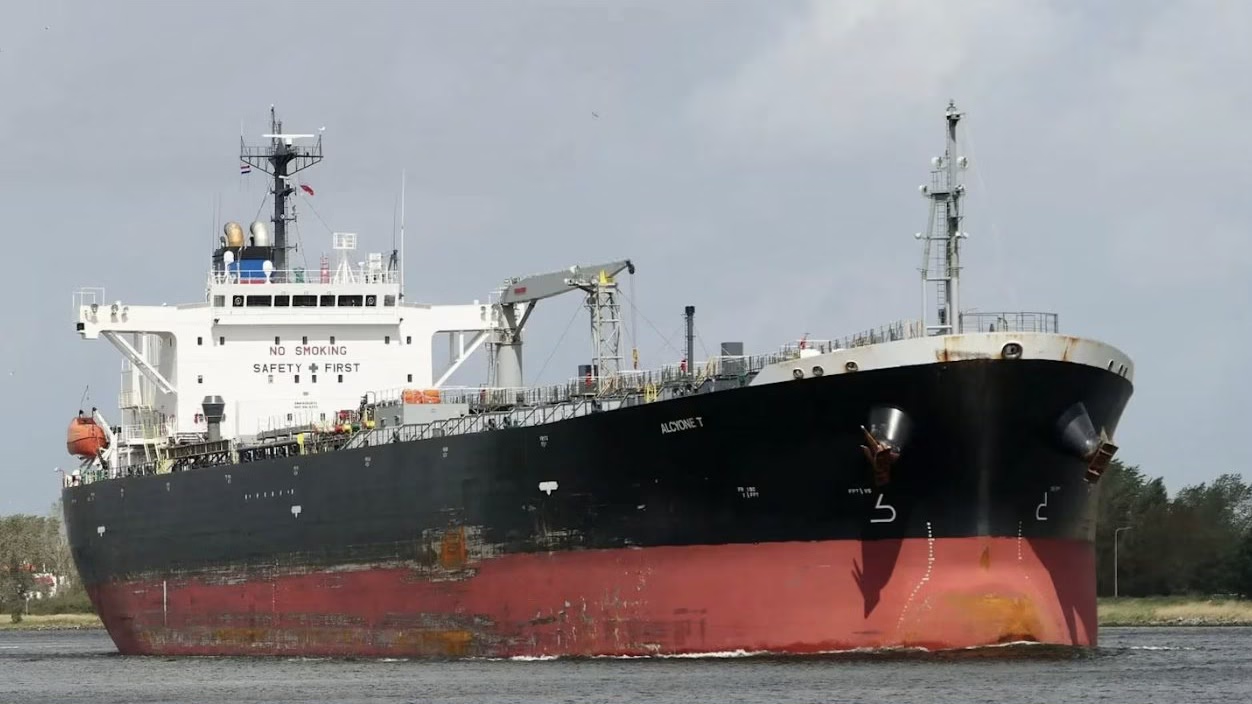
The third ship, the Malta-flagged Agioi Fanendes, loaded about 40,000 metric tons of diesel at Russia's Baltic port of Primorsk and had been signaling New York. It now also lists "for orders," and Smith said it could turn away because of "regulatory, legislative and sanction issues."
No one wants to be the first buyer
The legal cloud is the main deterrent. Treasury's General License 135, issued Oct. 9, authorizes the sale, delivery, offloading and importation of Russian-origin diesel through April 7, 2027, and Treasury maintains it complies with federal law. Critics counter that the 2022 Ending Importation of Russian Oil Act still bars the fuel and cannot be set aside without Congress.
New Jersey Gov. Mikie Sherrill warned port and terminal operators in her state on Nov. 2 that "purchasing or unloading the illegal Russian fuel currently bound for the east coast of the United States" could bring "harsh penalties, both civil and criminal."
Sen. Jeanne Shaheen of New Hampshire, the top Democrat on the Senate Foreign Relations Committee, led a bipartisan letter asking six major Wall Street banks and the ports of Houston, Corpus Christi, Beaumont and New York-New Jersey to preserve records tied to Russian diesel. Rep. Jamie Raskin of Maryland warned industry groups that importers could face up to 20 years in prison.
A small fix for a big shortage
The White House pitched the deal as relief at the pump. "Lower prices for Americans, especially our Great Farmers, Ranchers, and Truckers, is my Greatest Priority," Trump wrote on Truth Social when he announced it, promising more than 300,000 tons of Russian diesel immediately, 500,000 tons in November and 1 million tons after that.
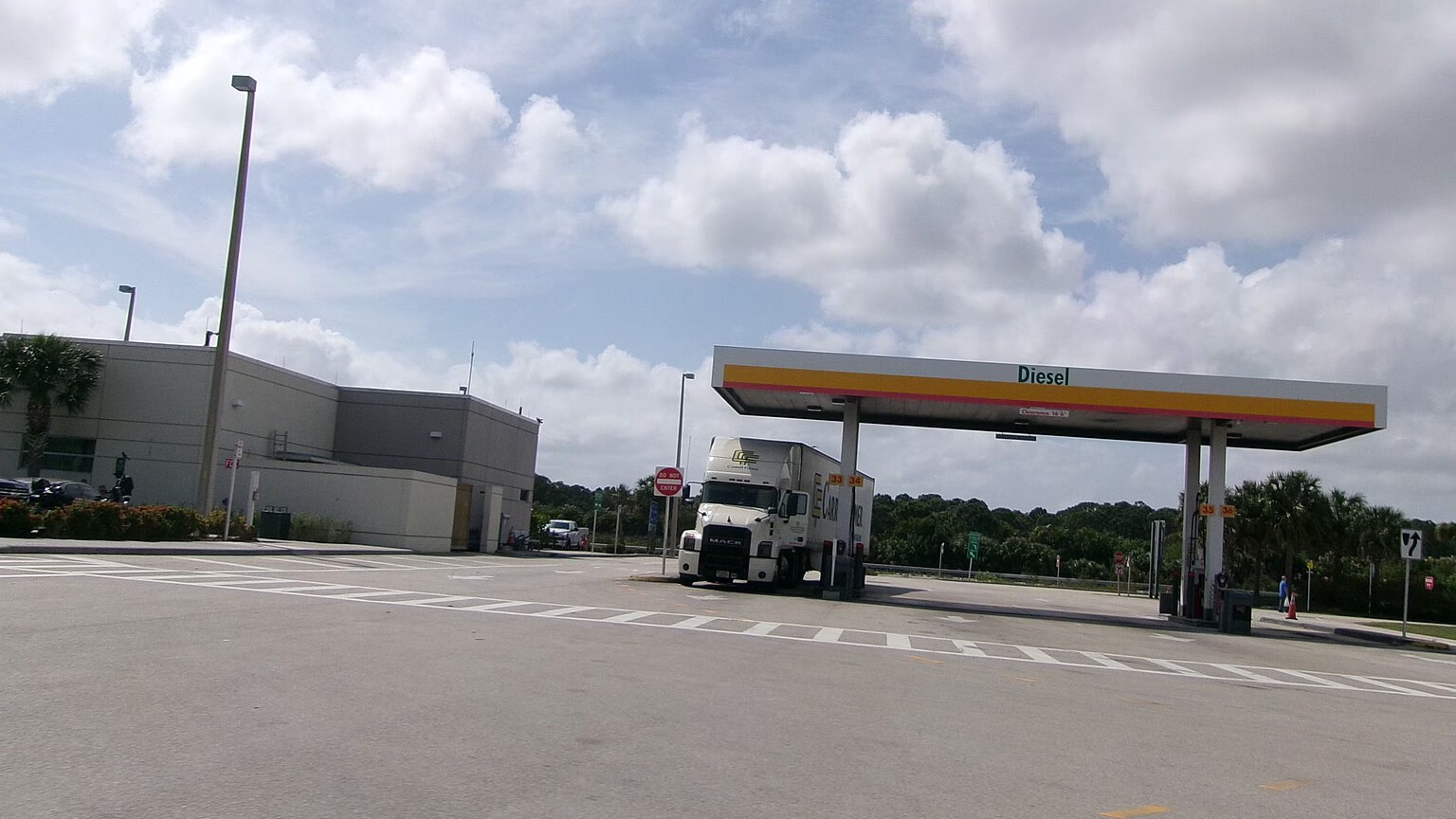
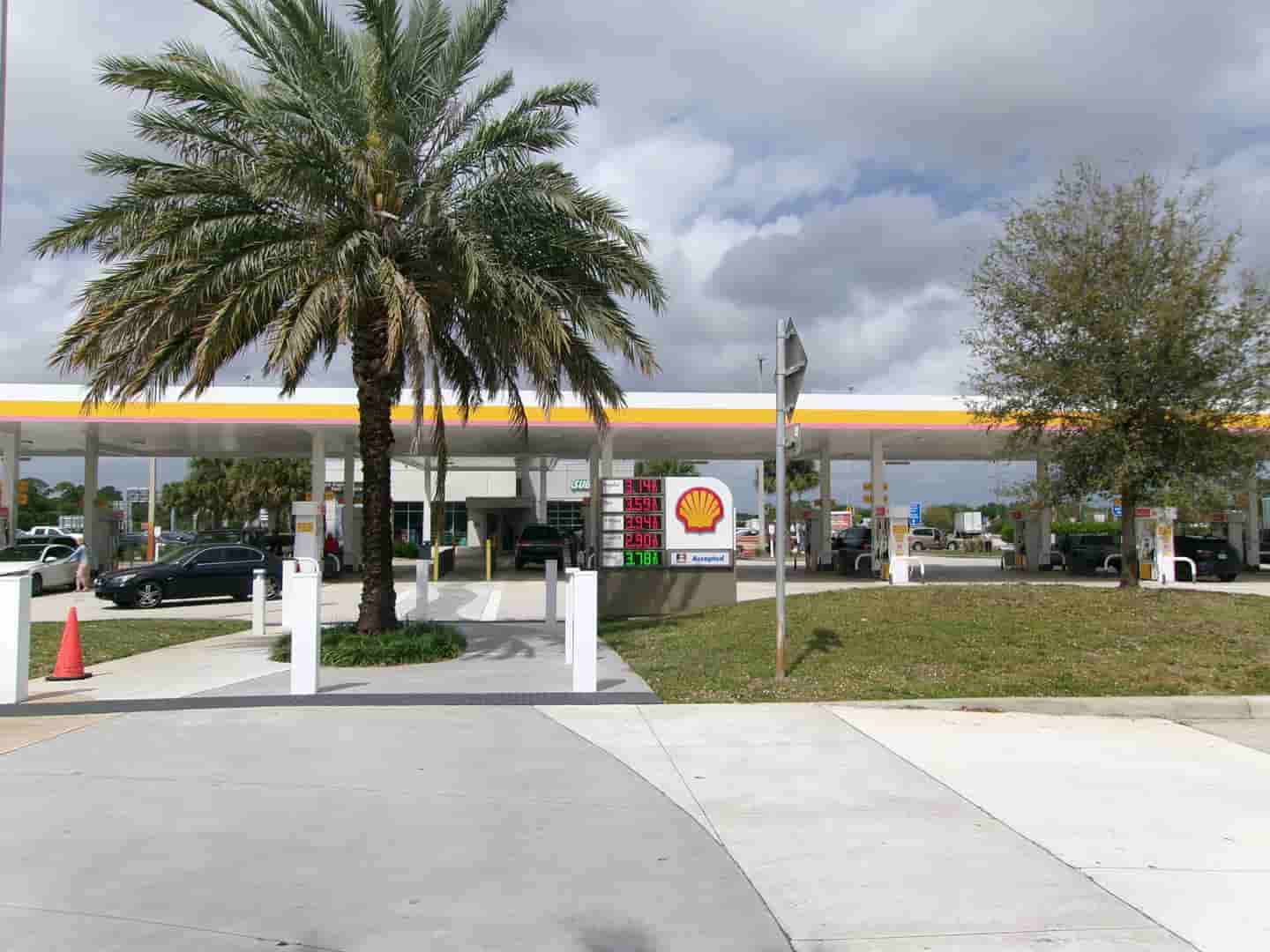
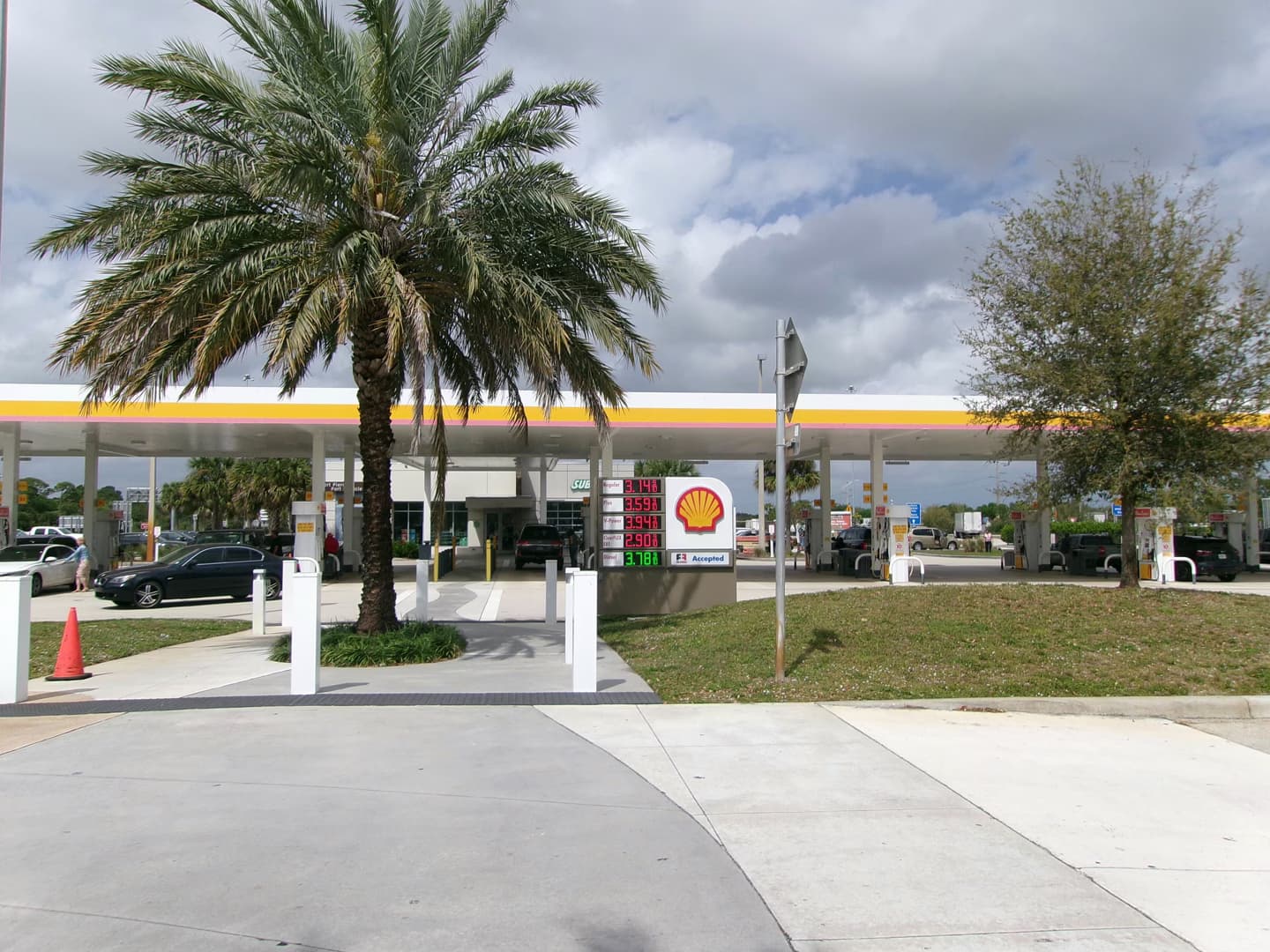
Relief has not arrived. The national average price of on-highway diesel was $6.29 a gallon in the week of Nov. 2, according to the Energy Information Administration, $2.54 higher than a year earlier, as the effective closure of the Strait of Hormuz during the Iran war squeezes global supply. U.S. diesel inventories have fallen below 100 million barrels for the first time in more than two decades, the FT reported. Ukraine's sanctions envoy Vladyslav Vlasiuk estimated the first cargo would cover under two hours of U.S. consumption.
The fight moves to a Democratic Congress
Trump announced the deal less than a month before the midterms, in which Democrats won both chambers; The Telegraph noted it did not appear to help Republicans in rural areas hit by diesel costs. Twelve senators from both parties had already urged the president to drop the arrangement, writing that "this deal is a gift to our adversary and a betrayal of our Allies; it should be rescinded" and that it would have "a negligible impact on fuel prices."
According to CNN, the Senate Foreign Relations Committee has told banks, port operators and companies involved to preserve documents ahead of oversight inquiries once Democrats take over in January. Energy Secretary Chris Wright has tied further shipments to Moscow's behavior, while Kremlin spokesman Dmitry Peskov said Thursday that all the diesel covered by the deal is "guaranteed to find its buyers."
Photos: Paul Harrison/Wikimedia Commons (CC BY-SA 4.0); Marcel Coster/MarineTraffic via Clash Report; DanTD/Wikimedia Commons (CC BY 4.0)
Stay Updated with Ally Daily
Subscribe to be informed about special news, developments and announcements. We will keep you informed.
By signing up, you agree to our Privacy Policy