- BIST10011,483+0.04%
- USD50.05+0.05%
- EUR56.25-0.01%
- GOLD4,067.60-1.12%
- INTEREST36.00%-1.00
- BITCOIN75,459-0.69%
- November 6, 202621°
- BIST10011,483+0.04%
- USD50.05+0.05%
- EUR56.25-0.01%
- GOLD4,067.60-1.12%
- INTEREST36.00%-1.00
- BITCOIN75,459-0.69%
- November 6, 202621°
U.S. hits Cuba with new sanctions as Moscow likens Washington's pressure to bullying
The State Department on Thursday sanctioned eight entities and two individuals and blocked five vessels tied to Cuba's oil shipping and military supply networks. In Moscow, Foreign Ministry spokeswoman Maria Zakharova has urged the world to compare the island's size with that of the superpower squeezing it, calling the blockade a disgrace of the modern era.
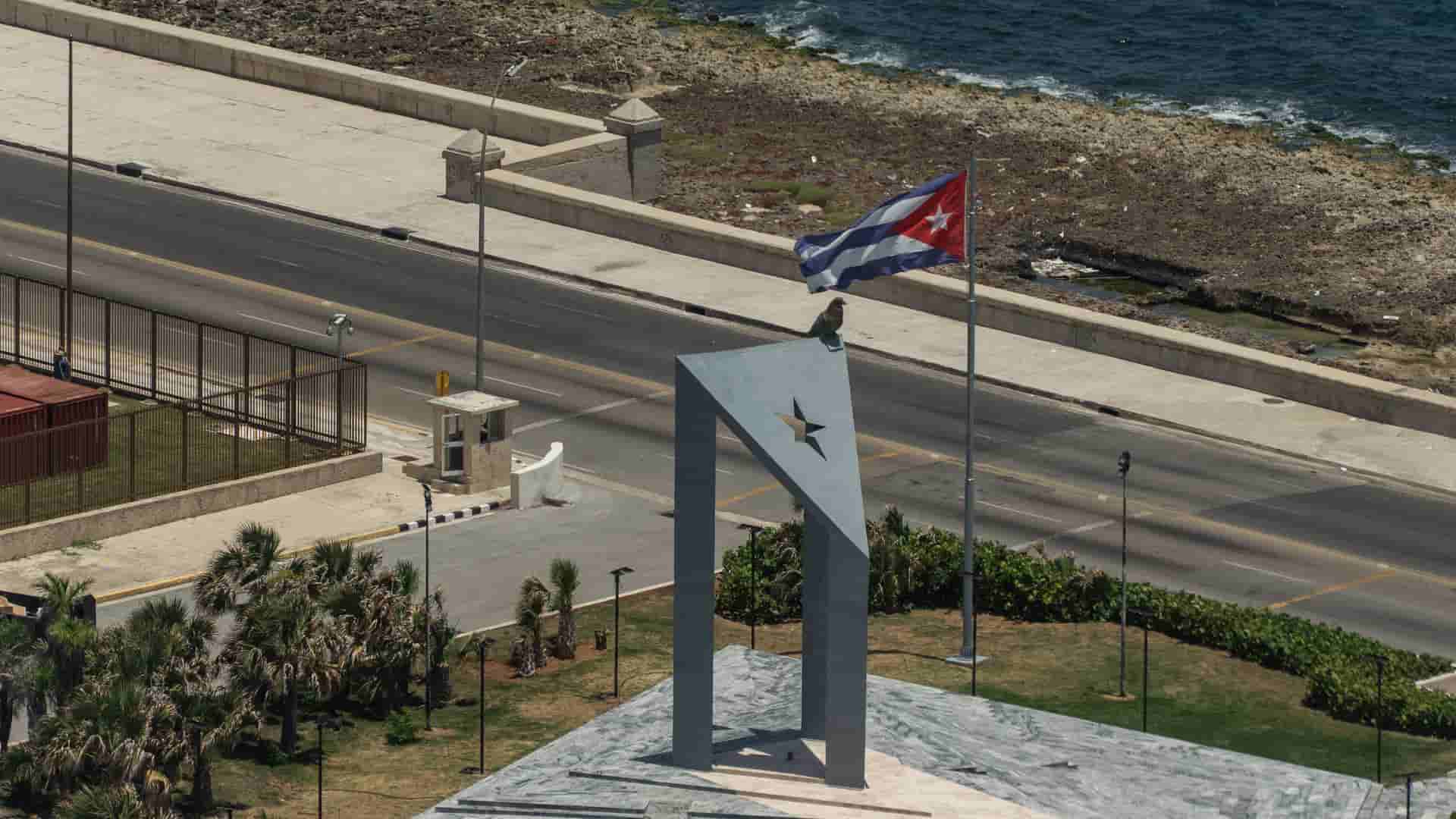
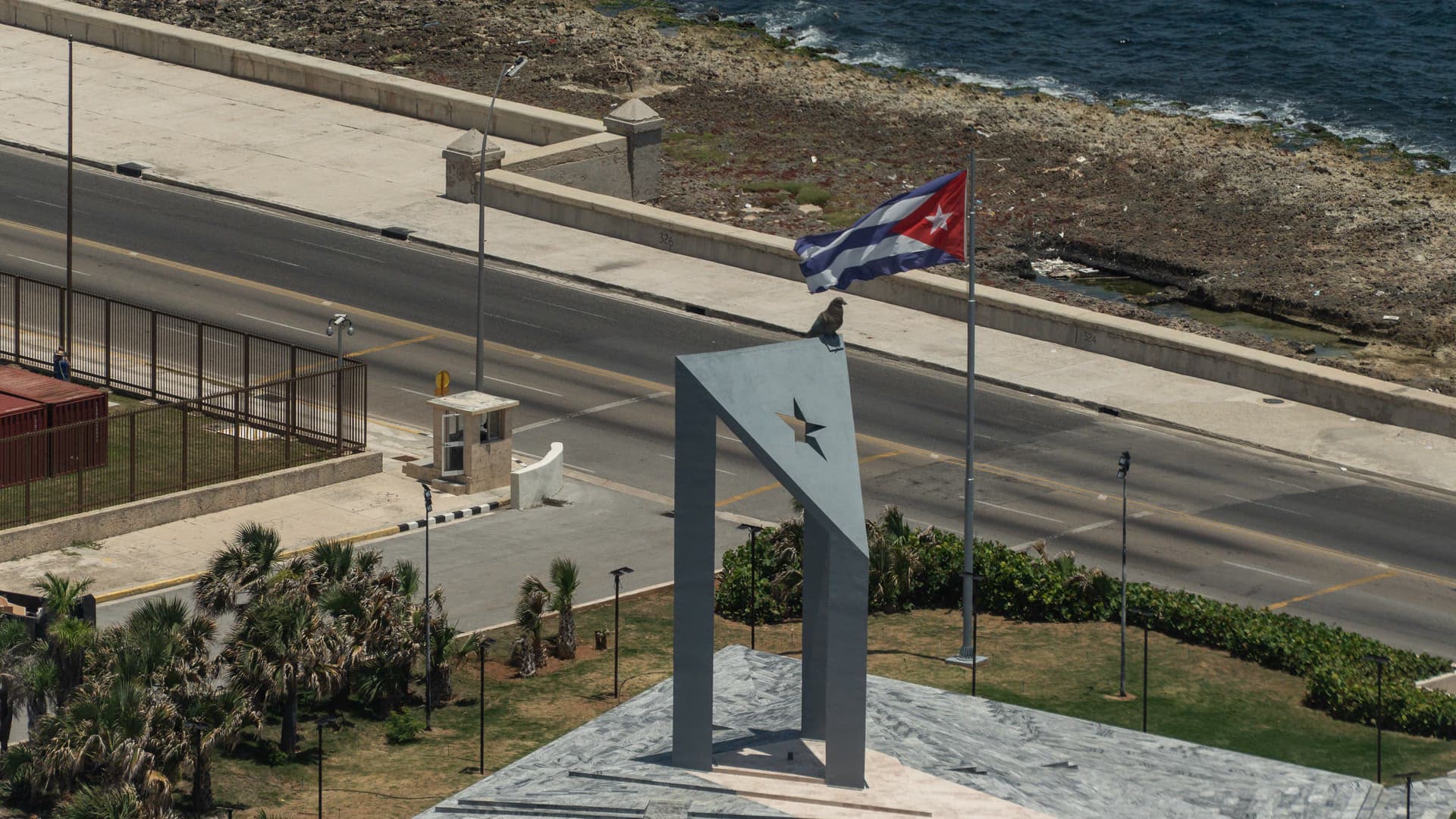
The Trump administration tightened its economic squeeze on Cuba again on Thursday, even as Moscow keeps up a steady drumbeat of condemnation of Washington's pressure campaign against the island. The State Department designated eight entities and two individuals and identified five vessels as blocked property, targeting Cuba's oil shipping networks, members of its elite, state-owned import and technical-support firms, and China-based suppliers of the Cuban military.
At the same time, the Treasury Department's Office of Foreign Assets Control issued a determination under Executive Order 14404 that opens the door to sanctions on any foreign person operating in the manufacturing, technology, electronics and marine sectors of Cuba's economy, Reuters reported. The order, signed on May 1, targets what the administration calls repression in Cuba and threats to U.S. national security.
The new measures landed on the same day clips of Russian Foreign Ministry spokeswoman Maria Zakharova blasting the U.S. campaign circulated widely on social media. Zakharova made the remarks on Oct. 27 in Moscow, at a meeting with participants of the Russia–Africa 2026 media forum, an RT-organized gathering that brought more than 200 journalists and bloggers from 46 African countries to the Russian capital.
"Look at the map. Today, anyone can open a map on their phone or computer. Look at the island of Cuba," Zakharova says in the clip. "Compare its size with that of the countries, first and foremost the United States of America, that have been putting pressure on this state for decades." She then asked her audience to translate that into relations between individuals: "Imagine one person being mistreated, blackmailed and literally bullied by a large number of people or social groups. This is a disgrace to our modern global civilization."
A thinner majority at the UN
Zakharova spoke a day before the U.N. General Assembly's annual vote on the embargo. On Oct. 28, the assembly adopted Cuba's resolution calling for an end to the U.S. measures by 130 votes to 17, with 25 abstentions, down from 165 votes in favor last year and 187 in 2024. AFP described it as Cuba's weakest backing in three decades. The resolution is non-binding.
The U.S. delegation urged members to reject the text. "Vote no on this resolution. Stand with the Cuban people," the U.S. representative told the chamber, citing $876 million in U.S. exports to Cuba this year, including fuel, to dispute that a blockade exists. U.S. Ambassador Mike Waltz argued that Cuba's economic troubles are mainly the result of its own government's policies.
Cuban Foreign Minister Bruno Rodríguez Parrilla countered that shortages of fuel, medicine and food were felt "at the dining table of Cuban families." "Cuba is not a threat. The blockade is a threat," he said. Russia's U.N. envoy, Vassily Nebenzia, told the assembly that the nearly 70-year-old embargo had reached an unprecedented scope this year, compounded by a fuel embargo, and that it was all being done "to break the Cuban people."
How the squeeze works
Washington's pressure on Havana escalated sharply after U.S. forces ousted Venezuela's Nicolás Maduro in January and Venezuelan oil shipments to the island stopped. On Jan. 29, President Donald Trump declared a national emergency and authorized tariffs on countries that directly or indirectly supply Cuba with oil. In February, the U.S. began blocking tankers headed for the island, in what The New York Times called the first effective blockade of Cuba since the 1962 missile crisis.
The effects have been severe. Cuba's national grid collapsed on March 16, some areas have endured outages of 20 to 22 hours a day, and in May the Energy and Mines Ministry said the country had run out of oil and diesel. Secretary of State Marco Rubio has said the U.S. offered $100 million in humanitarian aid and accused Havana of blocking it, while federal prosecutors in May charged former Cuban President Raúl Castro over the 1996 shootdown of two civilian planes flown by Miami-based exiles.
In this shorter clip, Zakharova brushes aside any debate over the policy's merits. "The blockade of Cuba is a disgrace. In the 21st century, the blockade of an entire state and its people is a disgrace," she says. "This is not a question of whether it is good or bad. This is not even something that should be discussed in principle. It is a disgraceful phenomenon of the modern era." She added that Russia has always voted with Cuba against the embargo at the U.N., but that the issue calls for active struggle, not just votes.
A sore point in U.S.–Russia ties
After the vote, Russia's Foreign Ministry said many countries had come under "tough pressure" to abandon the resolution, argued that Washington's ultimate aim was regime change in Havana and pledged to stand "shoulder to shoulder" with Cuba. Moscow sent a tanker carrying about 100,000 tons of crude to the island in March, defying the fuel blockade, and in October delivered more than 750 tons of sunflower oil through the World Food Programme.
Cuba remains an irritant as Moscow tries to steady relations with the Trump administration. At her weekly briefing on Thursday, Zakharova said it was too early to speak of any real shifts in Russian-American relations, despite Foreign Minister Sergey Lavrov's contacts with Rubio on the sidelines of the G20, and accused Congress of "open sabotage" of efforts toward even a relative normalization of ties. She described the ongoing dialogue with Washington as businesslike overall.
Havana, meanwhile, took its case to the Ibero-American summit in Madrid on Thursday. Rodríguez told fellow leaders that the United States had pushed its "obsessive war of economic asphyxiation" against Cuba to "inhumane limits of collective punishment" and imposed "an energy siege equivalent to a naval blockade."
Video: Clash Report / X. Photo: Anadolu
Have a story, event or announcement of your own?Send us your news on WhatsApp
Spotted an error in this story?Report it on WhatsApp
Share on all social platforms
Sponsored Ads
Featured Listings
Loading featured properties...
Stay Updated with Ally Daily
Subscribe to be informed about special news, developments and announcements. We will keep you informed.
By signing up, you agree to our Privacy Policy