The US and Japanese governments confirmed that they carried out a joint market intervention for the first time since 2011 to halt the depreciation of the Japanese yen. The intervention came after the yen slid to its lowest levels against the dollar in 40 years.
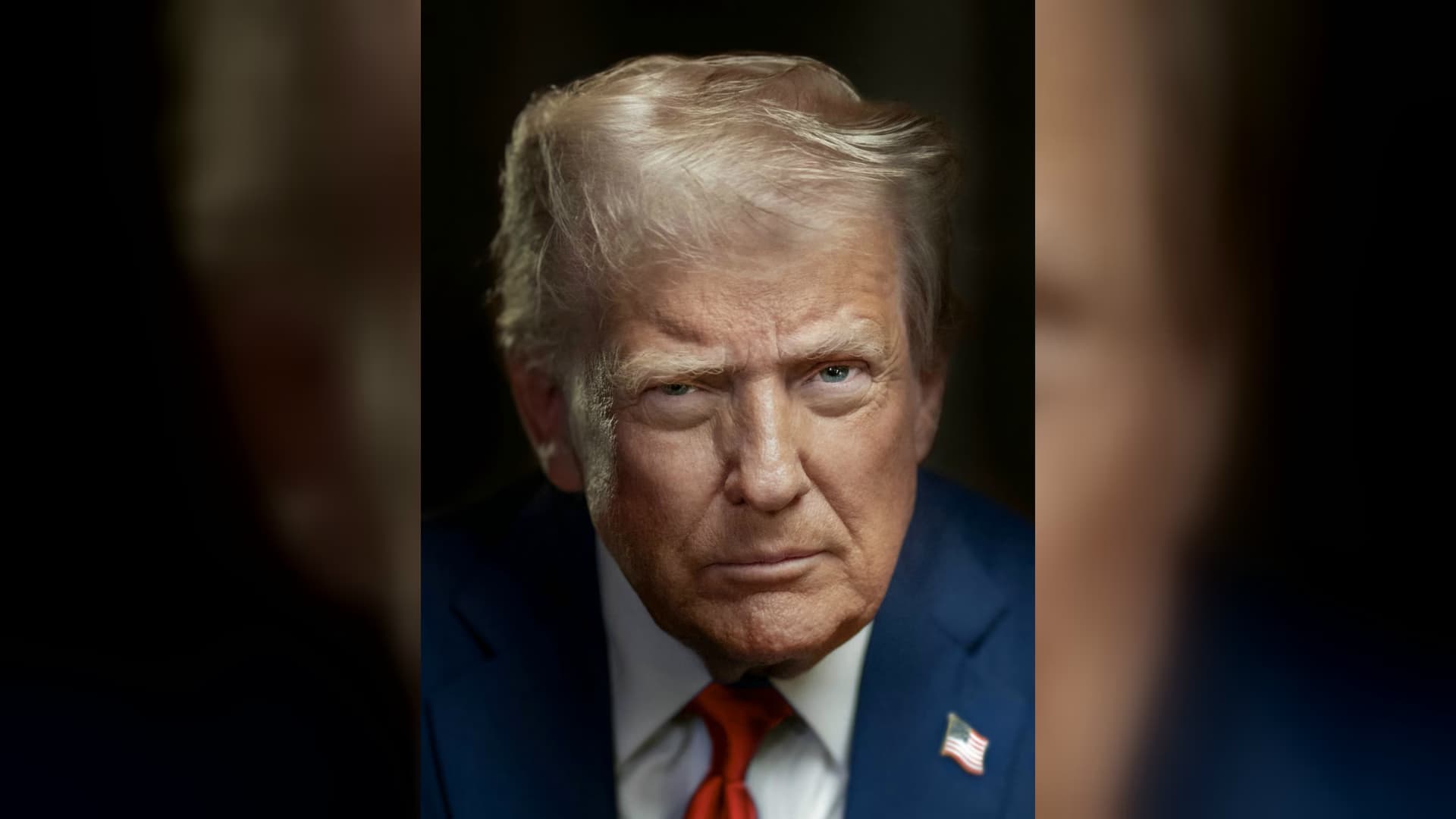
US President Donald Trump said on Sunday that Washington was helping Japan as a gesture of friendship and to support the global economy. "They have a weakening yen and asked for some help. We are always on Japan's side," Trump said.
Japan's Ministry of Finance stated that the joint intervention carried out with the US Treasury on Friday aimed to address the yen's excessive volatility and disorderly movements in recent months. The ministry said it would maintain close communication with its US counterparts and would not hesitate to take further joint intervention steps.
Market reaction
Following the announcements, the yen strengthened. The Japanese currency rose 1.4% against the dollar to 155.20, reaching its highest level in about three months. The increase came on top of a 3.8% surge recorded in the previous two sessions.
However, the yen's rapid rise hit the Tokyo stock market. The Nikkei index fell sharply from a one-week high reached in the previous session.
Aggressive yen buying also pressured the US dollar. In Asian trading on Monday, the euro rose to $1.1559, a 1.5-month high, while the pound traded near $1.3476, its highest in two weeks.
Analyst comments and policy signals
Analysts say the move shows both countries' determination to prevent the global spillover effects of a sell-off wave in the yen and Japanese bonds. This is also adding pressure on rising US Treasury yields.
US Treasury Secretary Scott Bessent confirmed Friday's intervention, saying Washington would not hesitate to join further joint interventions. In a statement on X, Bessent said the US strongly supports Japan's steps to correct the yen's significant undervaluation and reiterated his call for the Bank of Japan (BOJ) to continue raising interest rates.
In line with Bessent's calls, the BOJ on Friday sent the clearest signal yet of an early rate hike, even as it left monetary policy unchanged.
In a sign of broader policy coordination, South Korea also intervened in the market on Thursday to support the won.
Japan had previously intervened alone in April and May, but those moves only provided a short-lived recovery. The BOJ's hike in June of its policy rate to 1%, a 31-year high, also failed to provide lasting support to the weak currency.
According to Bank of Japan data, Tokyo may have sold up to $58.97 billion to buy yen in New York markets on Thursday, ahead of Friday's confirmed joint intervention.