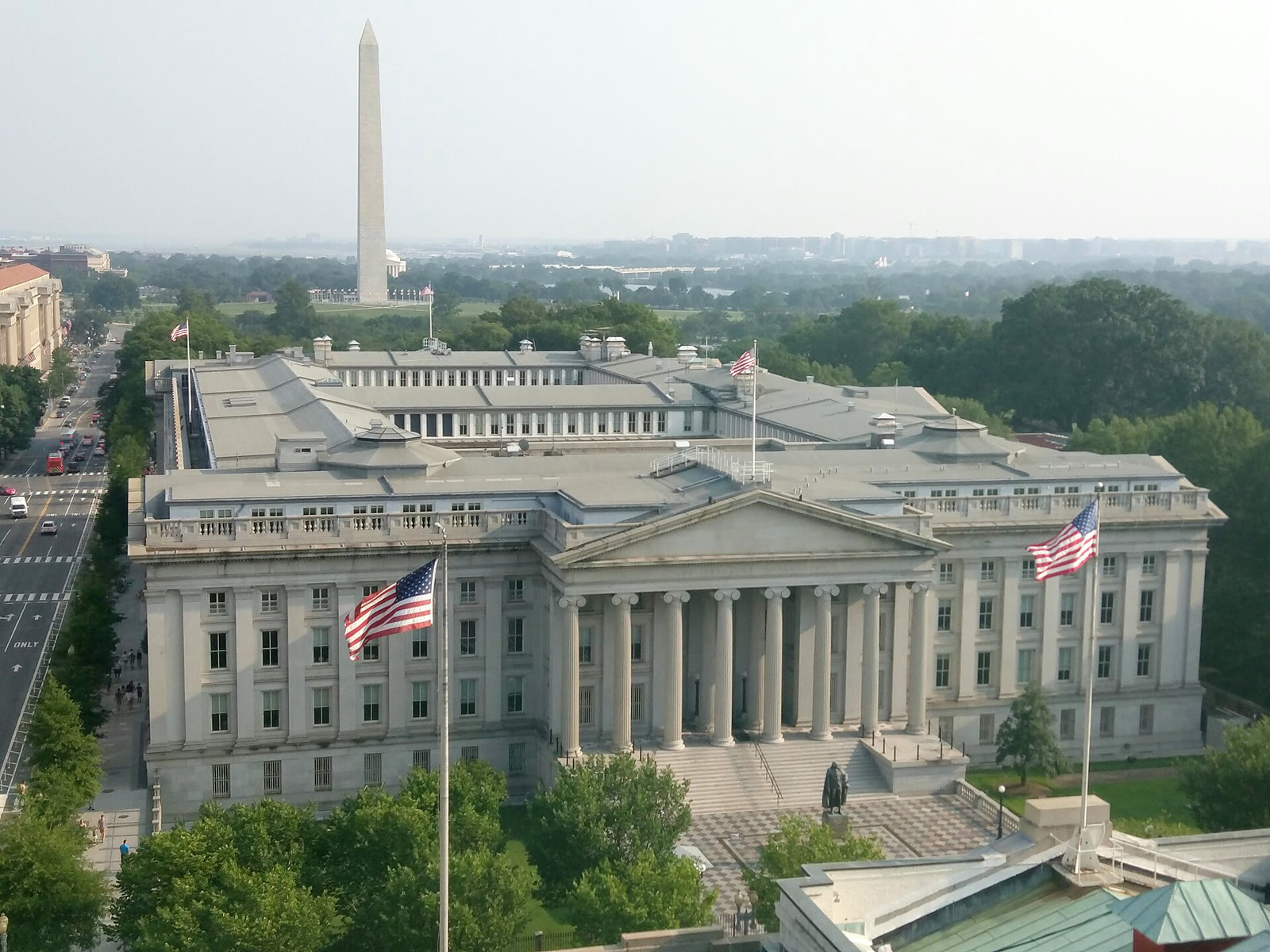
Russia-based cross-border payment platform A7 has been targeted by expanded sanctions imposed by the U.S. Department of the Treasury. The department banned all transactions with the platform and designated A7 as an "international criminal organization" for allegedly facilitating illicit global transactions.
Treasury Secretary Scott Bessent said the decision demonstrated that efforts to isolate Iran and its financial backers were continuing.
More than $17 billion processed through the network
The Treasury Department's Financial Crimes Enforcement Network and Office of Foreign Assets Control alleged that A7 had established a global structure of shell companies and "sub-agents" to circumvent Western banking restrictions.
U.S. officials said A7's sub-agents processed more than $17 billion worldwide between January 2025 and June 2026. According to the officials, the network used falsified trade documents, import-export records and misleading descriptions of goods to make illicit payments appear to be ordinary commercial activity.
The structure allegedly enabled the transfer of illicit funds belonging to Iran's central bank, the Islamic Revolutionary Guard Corps and oil- and arms-smuggling networks through shadow-banking channels. The A7 network was also alleged to have provided services to cybercriminals.
Company denies accusations
Moscow-based A7 denied allegations that it had ties to sanctioned Iranian entities. The company said its business model was based on legitimate import and export transactions involving consumer goods and commodities.
A7 said it was continuing to process payment settlements in the Russian market without interruption, arguing that the market was being subjected to unlawful restrictive measures.

Founded by Promsvyazbank
Founded in 2024 by Promsvyazbank, which focuses on the defense sector, A7 emerged in Russia's cross-border payments market as the country sought to develop alternative payment systems with its main trading partners.
Fifty-one percent of the company is owned by businessman Ilan Shor, who was sentenced to 15 years in prison in Moldova for money laundering. After leaving Moldova, Shor went first to Israel and then to Russia.
The U.S. added Shor and his Russian singer wife, Jasmin, to its sanctions list in 2022 over activities it said were aimed at destabilizing Moldova. Shor is also on the sanctions lists of the European Union and the United Kingdom.
Last year, the U.S. sanctioned several A7 entities for issuing a ruble-backed digital token called A7A5 and using it to circumvent financial restrictions.


























