- BIST10011,117-0.92%
- USD49.65+0.05%
- EUR55.60-0.19%
- GOLD4,007.90-1.29%
- INTEREST36.00%-1.00
- BITCOIN80,680-0.49%
- October 24, 20266°
- BIST10011,117-0.92%
- USD49.65+0.05%
- EUR55.60-0.19%
- GOLD4,007.90-1.29%
- INTEREST36.00%-1.00
- BITCOIN80,680-0.49%
- October 24, 20266°
US Climate Center says El Nino has 81 percent chance of reaching record levels
The US Climate Prediction Center announced that the strengthening El Nino is very likely to peak in the October-December period and rank among the largest events on record.


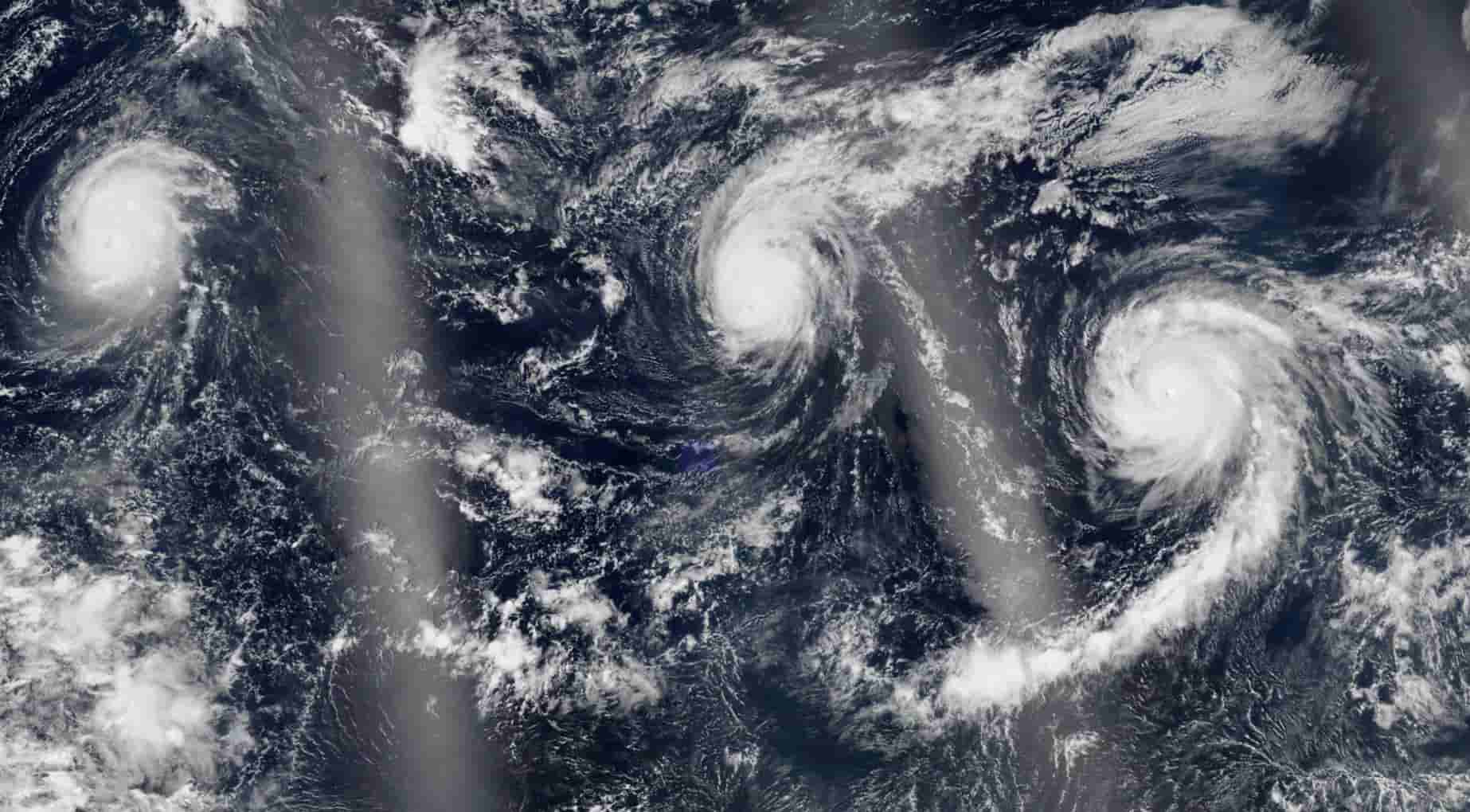
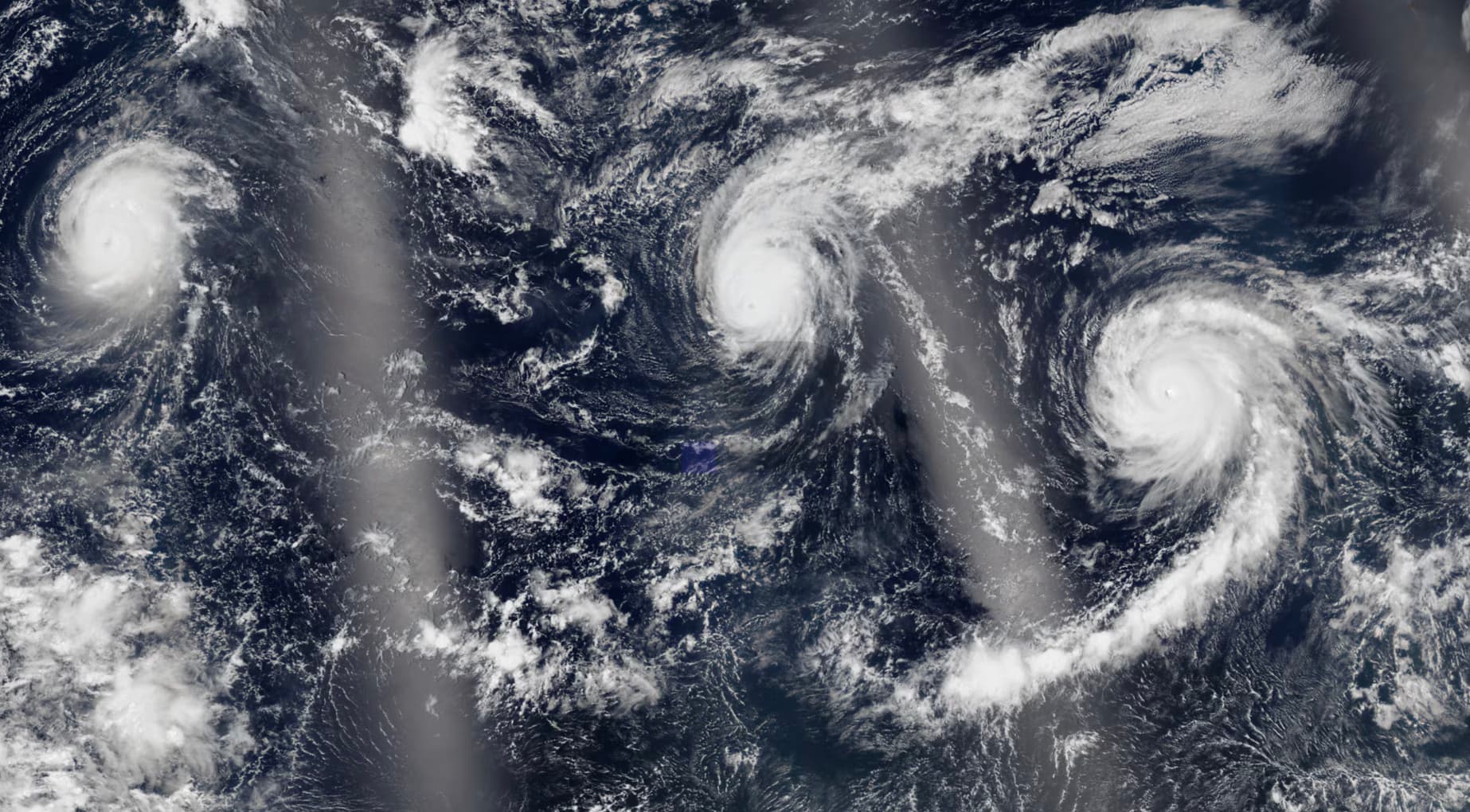
The US Climate Prediction Center (CPC) announced that the El Nino weather phenomenon, which refers to warming in the Pacific Ocean, has gained strength over the past month and could reach record levels in the final quarter of this year.
According to the center's update, the probability of a "very strong" El Nino occurring between October and December is 81 percent. An event of this magnitude would rank among the largest El Nino events in records dating back to 1950.
The "very strong" definition means an index value of 2.0 degrees Celsius or more above average. The CPC gave a 97 percent chance that the event will last until early spring 2027.
Sea surface temperatures in the Nino 3.4 region of the equatorial Pacific are currently 1.2 degrees Celsius above average. Together with warming subsurface waters and changing wind patterns, the ocean-atmosphere system is signaling a strengthening El Nino.
El Nino typically triggers cascading effects globally. These include drought in Australia, wetter winters in East Africa and the southern US, and generally higher global temperatures.
The CPC stated, "Even the strongest El Nino events do not produce the typical impact everywhere, but stronger events can significantly tilt the odds in favor of expected outcomes."
The most recent El Nino event, combined with human-caused climate change, contributed to 2023 being the second hottest year on record and 2024 the hottest year ever.
Stay Updated with Ally Daily
Subscribe to be informed about special news, developments and announcements. We will keep you informed.
By signing up, you agree to our Privacy Policy