In the wake of escalating tensions with Iran, the U.S. Strategic Petroleum Reserve, used to stabilize global oil markets, fell to its lowest level since 1983. The reserve dropped by 6.2 million barrels to 319.5 million barrels in the week ending July 3.
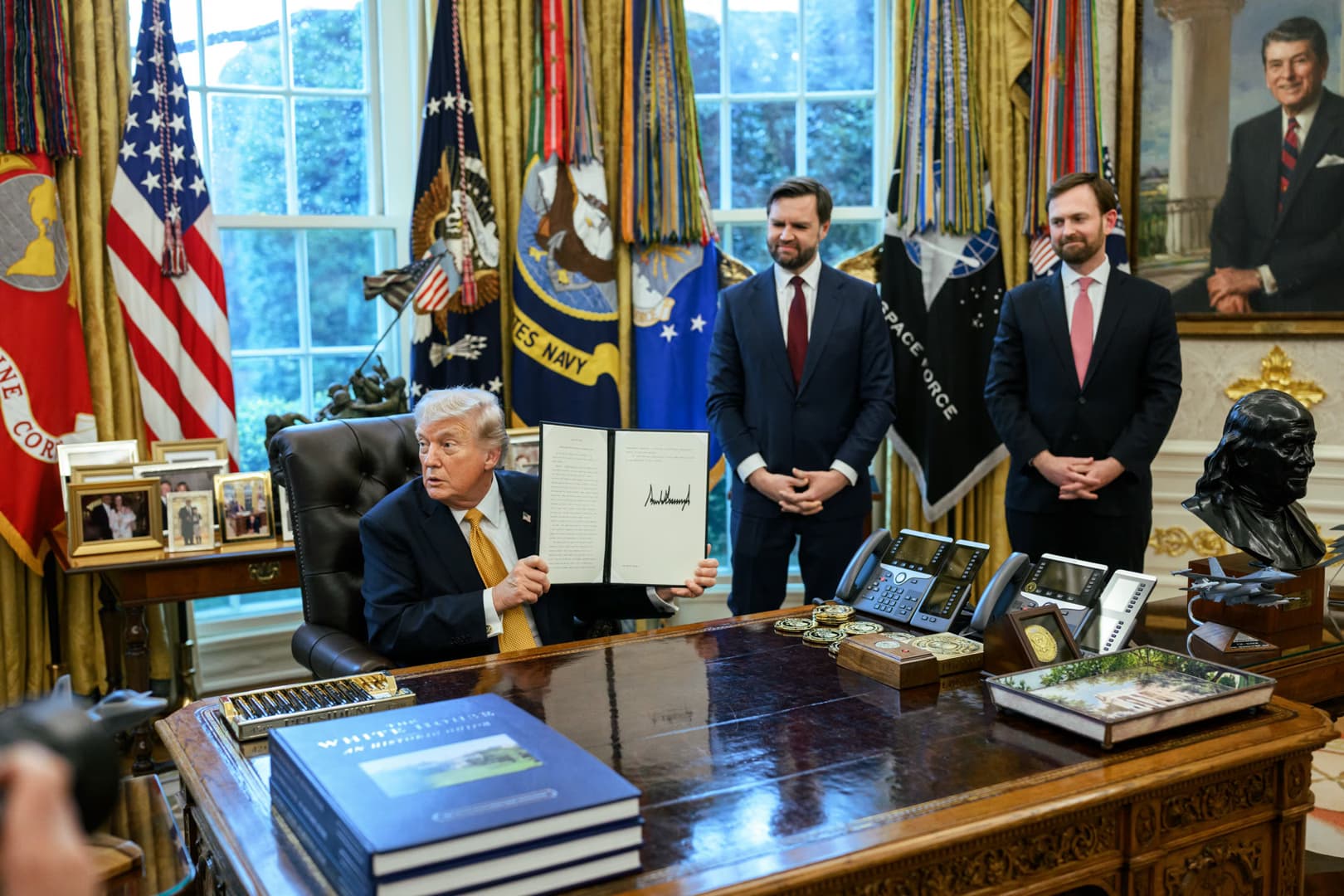
U.S. President Donald Trump acknowledged that military moves against Iran are driving up oil prices. On the day of his statement, Brent crude futures closed up 5.2% at $78.02, the highest since June 19.
According to U.S. Department of Energy data, the current reserve level is the lowest since the Reagan administration. The total storage capacity is 713.5 million barrels.
U.S. leads in production but prices are set globally
The U.S. is the world's largest oil producer and a net exporter of petroleum products. About 60% of the crude oil refined in the country comes from domestic production, while the remaining 40% is imported. The bulk of imports come from Canada and Mexico, and only 7% of consumed oil passes through the Strait of Hormuz.
However, crude oil prices are determined by international benchmark prices that reflect global supply and demand. Maksim Sonin, an energy executive at Stanford University, said, "Because oil is a globally traded commodity, independence does not mean price security; all markets are interconnected."
In the event of disruptions to shipments through the Strait of Hormuz, buyers worldwide compete for alternative supplies. This competition drives up global prices, ultimately raising costs for U.S. refineries and consumers.
History and function of the Strategic Petroleum Reserve
The SPR is the world's largest emergency stockpile of crude oil. The U.S. established the reserve in 1975 after the Arab oil embargo caused severe fuel shortages and exposed dependence on imported energy.
Hundreds of millions of barrels of crude oil are stored in underground salt caverns at four sites on the U.S. Gulf Coast and can be released during major supply disruptions. The oil can be distributed to nearly half of U.S. refineries via interstate pipelines or barges.
The reserve was also tapped after Hurricane Katrina in 2005 and following Russia's invasion of Ukraine. Abhi Rajendran, a researcher at Rice University, said, "It is for shocks like this—conflict, major overseas disruptions, breakdowns. The purpose is to provide an emergency fund to buffer prices and prevent supply interruptions."
Why is the reserve so low?
The SPR fell to its lowest level in decades a few years ago due to emergency releases after Russia's invasion of Ukraine. The invasion and sanctions on Russian fuel sales pushed Brent crude prices above $130 a barrel in March 2022.
The administration of then-U.S. President Joe Biden released 180 million barrels, the largest sale in reserve history, to stabilize global markets and lower rising fuel prices. Congress also mandated additional sales from the reserve in 2023. Since then, the Energy Department has been gradually buying oil to refill the reserve when market conditions are favorable.
What happens if the U.S. stops oil releases?
The SPR serves two main purposes: to provide emergency supply during physical shortages and to reassure financial markets that governments can intervene during major disruptions. Sonin added, "If the U.S. decides not to release oil from the reserve, it both reduces supply and affects market perception. Markets expect the U.S. to tap its reserves. If that doesn't happen, it signals that the situation is more serious than expected and has a compounding effect on global oil prices."
Eric Nuttall, senior portfolio manager at Ninepoint Partners, warned that the reserve is approaching minimum operating levels. Rajendran noted that half of the 319.5 million barrels in the reserve might be unusable because some oil has been sitting in old storage caverns for a long time and may not be suitable for current refineries.