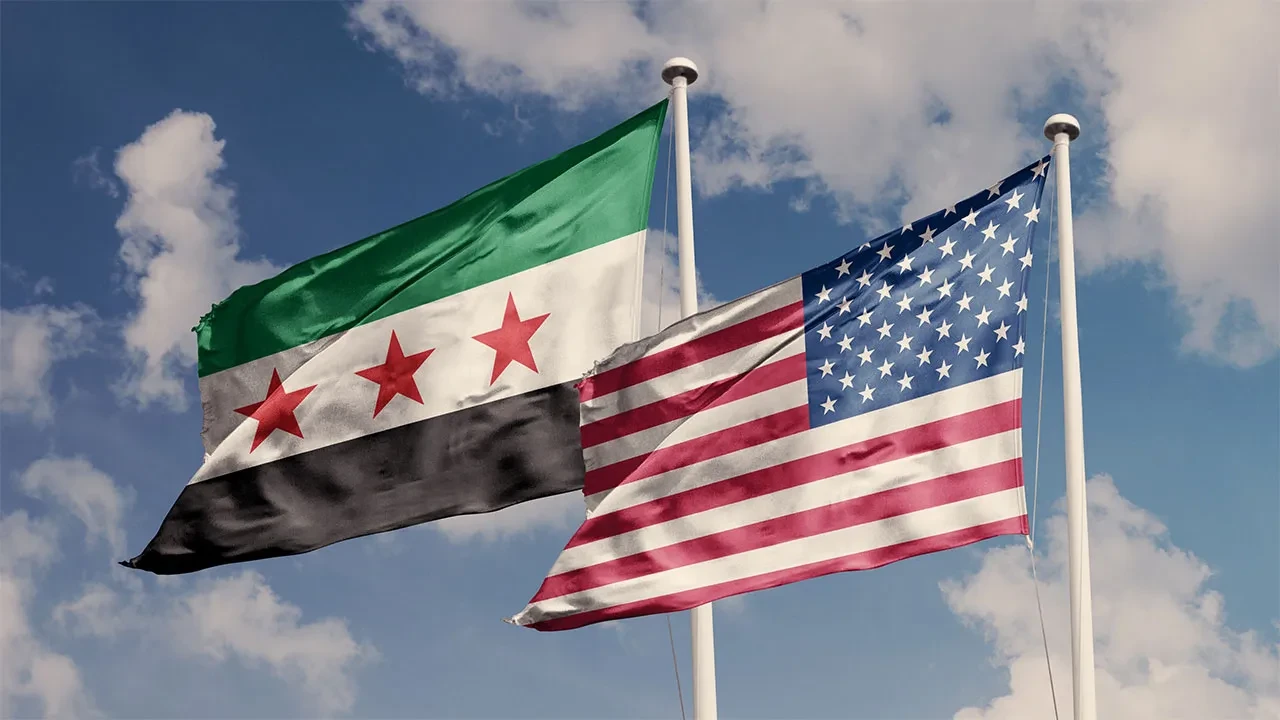
The United States has officially removed Syria from its list of State Sponsors of Terrorism, ending nearly 47 years under one of Washington's most consequential national security designations.
US Secretary of State Marco Rubio announced the decision on August 24, 2026, following the completion of the required congressional notification period.
The move ends a designation dating back to December 29, 1979, spanning the governments of both Hafez al-Assad and his son Bashar al-Assad.
It also represents one of the most significant steps yet toward normalizing relations between Washington and Syria's new government under President Ahmed al-Sharaa, which emerged following the collapse of Bashar al-Assad's government in December 2024.
Syria had been on the list since 1979
Syria was among the earliest countries designated by Washington as a State Sponsor of Terrorism.
For decades, successive US administrations accused Damascus of supporting armed groups designated as terrorist organizations by the United States.
The designation remained in place throughout Hafez al-Assad's rule and continued after Bashar al-Assad became president in 2000.
Washington repeatedly cited Syria's support for Hezbollah and various Palestinian militant organizations as justification for maintaining the designation.
Relations deteriorated further after the Syrian civil war began in 2011.
The United States suspended operations at its embassy in Damascus in 2012 as the conflict escalated, while Washington imposed additional sanctions on Assad's government.
What did the State Sponsor of Terrorism designation mean?
The US State Sponsors of Terrorism designation is far more than a political label.
Countries placed on the list can face extensive restrictions, including limitations on US foreign assistance, bans on defense exports and sales, controls on exports of dual-use items and additional financial restrictions.
The designation can also have a significant chilling effect on international banks, investors and multinational companies considering doing business in the country.
Removing Syria from the list therefore eliminates one of the major barriers to the country's reintegration into international financial and commercial networks.
However, the decision does not automatically eliminate every US sanction or legal restriction involving Syria. Measures imposed under separate laws or sanctions authorities may remain in place unless they are independently lifted or modified.
Fall of Assad transformed US-Syria relations
The political landscape changed dramatically after Bashar al-Assad's government collapsed in December 2024.
For more than a decade, Washington had largely treated Damascus as an adversary while imposing extensive sanctions and supporting efforts to isolate Assad internationally.
Following Assad's removal, a new government emerged in Damascus under Ahmed al-Sharaa.
The new Syrian leadership made restoring international relations and rebuilding the country's devastated economy central priorities.
That effort required persuading the United States, European governments and regional powers to ease restrictions that had accumulated during decades of confrontation and nearly 14 years of war.
Trump administration moved toward lifting restrictions
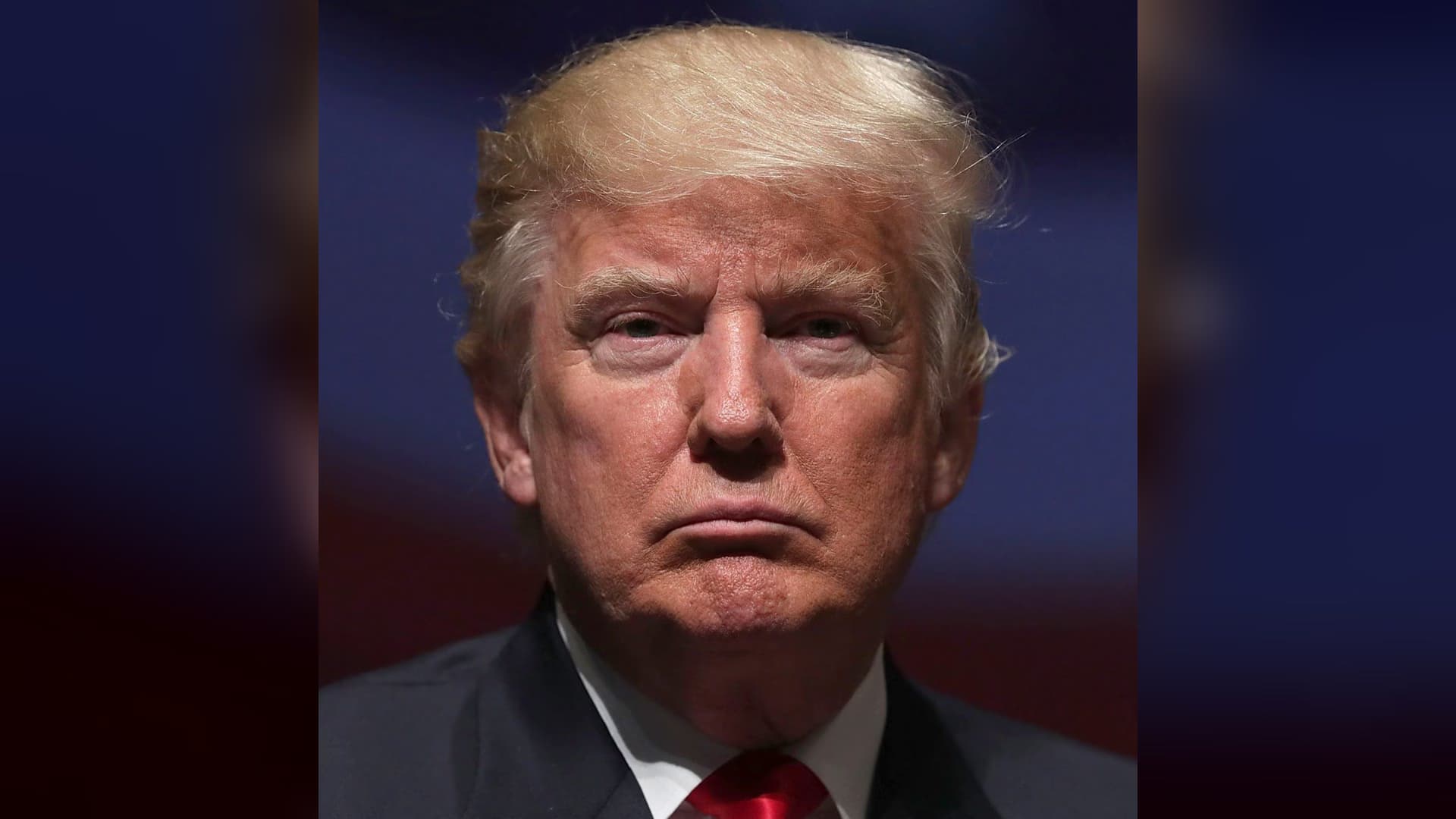
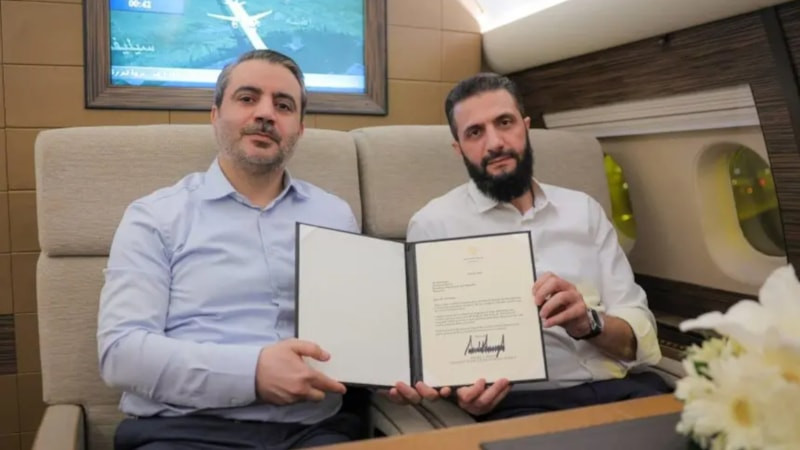
President Donald Trump's administration gradually shifted US policy toward the new government in Damascus.
During 2025 and 2026, Washington took a series of steps aimed at reducing sanctions pressure and facilitating Syria's economic recovery.
A critical stage came in July 2026, when the administration formally notified Congress of its intention to remove Syria from the State Sponsors of Terrorism list.
Under US law, Congress had to be notified before the rescission could take effect.
After the required review period was completed, Secretary of State Marco Rubio formally approved the removal on August 24.
The decision effectively closed a chapter of US-Syrian relations that had lasted for almost half a century.
Washington sees economic opportunity for Syria
The US administration has presented sanctions relief as part of a broader effort to give Syrians an opportunity to rebuild their country after years of devastating conflict.
For Damascus, removal from the terrorism list could have substantial economic consequences.
Syria faces an enormous reconstruction challenge after years of war damaged housing, factories, roads, energy infrastructure and public services across the country.
Reconstruction will require significant foreign investment and access to international banking and payment systems.
For years, sanctions and Syria's State Sponsor of Terrorism designation made international banks and major corporations extremely cautious about operating in the country.
The latest US decision removes one of those major obstacles.
International financial institutions eye Syria's reopening
Signs of Syria's gradual return to the international financial system have already emerged.
Reuters reported that discussions involving major international financial institutions have taken place as Damascus seeks to reconnect with global banking and payment networks.
Among the developments reported were contacts involving Bank of America, while Mastercard has also been linked to efforts aimed at reconnecting Syria with international payment infrastructure.
Such developments could prove critical for trade, investment, remittances and the broader reconstruction of the Syrian economy.
For the new government in Damascus, restoring access to the international financial system is considered one of the central requirements for stabilizing the country's economy.
HTS designation also becomes a major issue
Another important element of Washington's evolving Syria policy concerns Hayat Tahrir al-Sham (HTS), the organization formerly led by Ahmed al-Sharaa.
Sharaa's background has long complicated relations between Syria's new leadership and Western governments.
HTS emerged from organizations linked historically to the al-Nusra Front and al-Qaeda. Sharaa later announced a break with al-Qaeda and sought to reposition the organization before becoming the dominant figure in the opposition forces that ultimately toppled Assad.
Following the fall of Assad, Sharaa moved from leading an armed opposition movement to becoming the central figure in Syria's new political order.
Washington's treatment of HTS-related terrorism designations and sanctions has therefore become closely tied to the broader normalization process with Damascus.
Changes to those restrictions have become another indication of the fundamental shift in US policy toward Syria's post-Assad leadership.
Only three countries remain on the US list
Following Syria's removal, the US State Sponsors of Terrorism list now includes three countries:
Syria had been one of the longest-standing members of the list.
Its removal therefore represents a particularly significant change in the history of the US government's terrorism-related foreign policy.
Nearly half a century of confrontation comes to an end
The significance of the decision extends well beyond sanctions.
For decades, Syria occupied a highly contentious position in US Middle East policy.
From the Cold War-era relationship between Washington and Hafez al-Assad to Syria's involvement in Lebanon, its alliance with Iran, support for Hezbollah and the devastating civil war under Bashar al-Assad, relations between Washington and Damascus were characterized largely by confrontation.
The collapse of the Assad government fundamentally changed that equation.
The United States is now attempting to establish a different relationship with Syria's new leadership while encouraging political stability and economic reconstruction.
Removing the State Sponsor of Terrorism designation is therefore not merely a technical sanctions decision. It marks the end of a policy that had defined Washington's treatment of Syria since 1979.
Serious security concerns remain
Despite the historic shift, Washington has not declared Syria free of security risks.
The US State Department continues to warn American citizens against traveling to Syria, citing risks including terrorism, armed conflict, kidnapping and other security threats.
The removal of the state terrorism designation should therefore not be interpreted as a declaration that Syria's security challenges have disappeared.
Instead, the decision reflects Washington's changed assessment of the Syrian state and its new leadership following the end of the Assad era.
For Damascus, however, the implications are substantial.
Nearly 47 years after Syria was first placed on Washington's terrorism list, one of the biggest political and economic obstacles separating the country from the United States and the international financial system has been removed.
The August 24 decision could now become a defining milestone in Syria's attempt to rebuild its economy, restore diplomatic relations and re-enter the international system after decades of isolation and years of devastating war.