- BIST10011,577-1.87%
- USD49.58+0.05%
- EUR55.62+0.09%
- GOLD4,148.00-0.05%
- INTEREST37.00%-1.00
- BITCOIN84,356+1.71%
- October 22, 202613°
- BIST10011,577-1.87%
- USD49.58+0.05%
- EUR55.62+0.09%
- GOLD4,148.00-0.05%
- INTEREST37.00%-1.00
- BITCOIN84,356+1.71%
- October 22, 202613°
U.S. tariff expectations push freight prices to two-year high
U.S. forced-labor tariffs on 60 countries and Trump's digital tax threat have pushed global shipping costs to a two-year peak. Financial Times reports the freight index rose 80%, while experts see opportunities for Arab markets.


Global shipping costs have hit a two-year high as companies rush to build up inventories ahead of new U.S. tariffs.
Freight index rises 80 percent
Financial Times reports that container shipping costs between Asia and Europe and between Asia and the U.S. East Coast have hit their highest level since summer 2024. At that time, Houthi attacks in the Red Sea had significantly pushed up freight and insurance costs.
The Platts index, which measures container ship freight rates, reached its highest level since April 2022, recording an 80 percent increase.
Senior executives speaking to FT said the expectation of new U.S. tariffs in July has pulled forward retailers' usual pre-Christmas inventory buildup and accelerated demand.
Tariffs on 60 countries citing forced labor
The New York Times reported that U.S. Trade Representative Jamison Greer said the investigations found that 60 countries have not enacted or effectively enforced laws banning imports of goods made by forced labor. Greer stated that this situation forces American workers to compete under "unequal conditions."
As a result, the U.S. administration decided to impose a 12.5% customs tariff on 60 countries, including China, India, Brazil, South Korea, Switzerland, and the United Kingdom. A roughly 10% tariff is applied to products imported from the European Union, Canada, and Mexico, while most goods complying with Canada and Mexico's rules of origin are exempt from these tariffs.
Response and alternative legal path
After the Supreme Court ruled that the president exceeded his authority to impose tariffs under the International Emergency Economic Powers Act, the Trump administration now plans to reinstate tariffs using Section 301 of the Trade Act of 1974. With current tariffs set to expire at the end of July, the administration has accelerated its search for a legal basis.
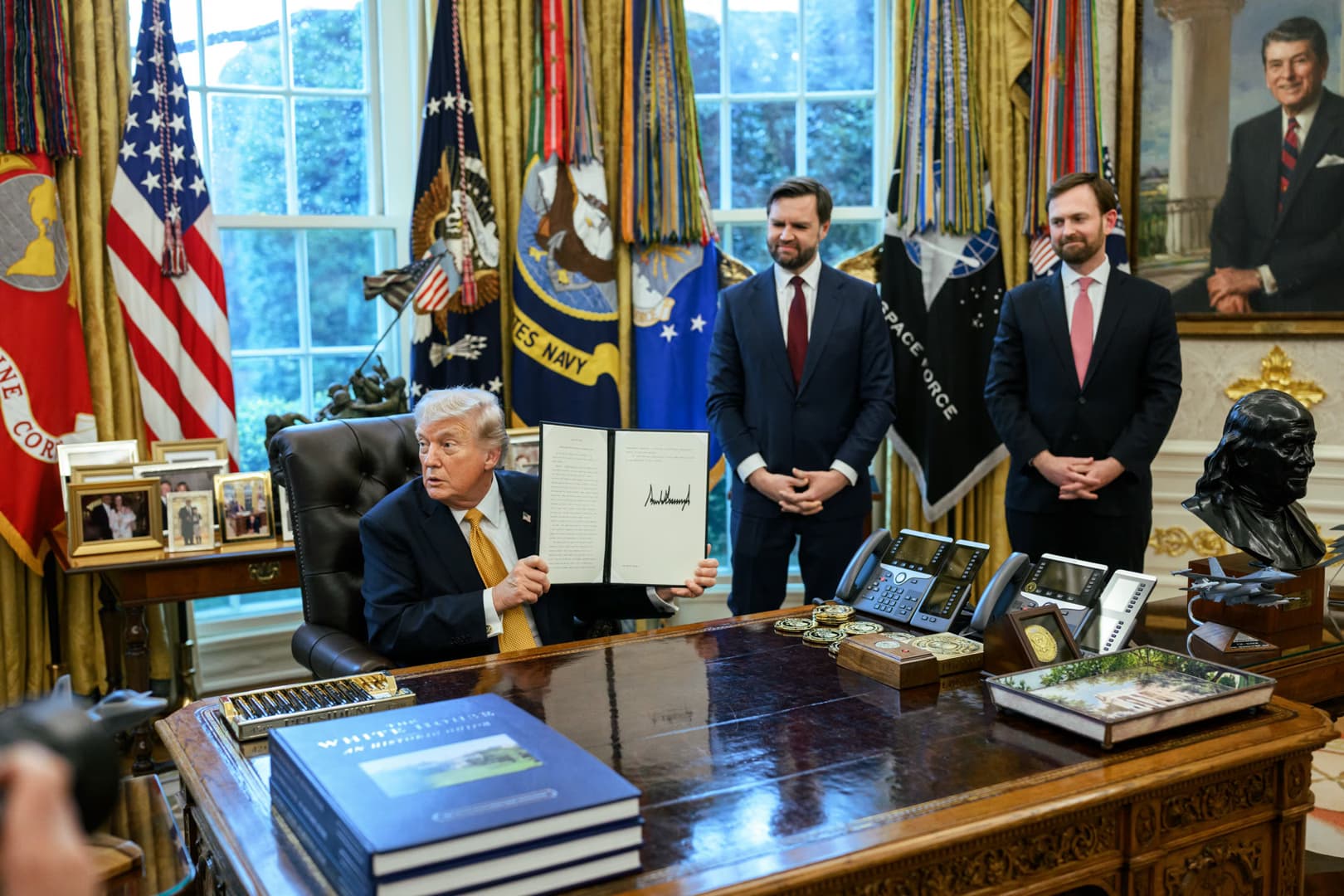
Meanwhile, Donald Trump, in a post on his Truth Social account on Friday, threatened to impose 100% customs tariffs on European countries that impose digital services taxes on U.S. companies such as Apple, Amazon, and Alphabet, the owner of Google. Trump said such tariffs would take effect immediately and could override previous trade agreements.
Opportunity for Arab markets
Ziyad al-Hashimi, an economist based in London, said in an assessment to Al Jazeera that U.S. tariffs could steer China and India toward Arab markets. Al-Hashimi noted that after the tariffs during Trump's first term, China has been looking for alternative markets, especially in the Middle East and Africa.
Al-Hashimi said Arab countries could benefit from this shift by obtaining discounted prices or more favorable deals. Additionally, Arab ports could gain from a heavier flow of goods from Asia.
The economist also stressed that the tariffs would raise the cost of intermediate goods that U.S. companies source from Asia, pushing up domestic prices, but would not affect costs in Arab countries to the same extent. He added that the full-capacity opening of the Strait of Hormuz would have a much greater impact than the freight increases.
Stay Updated with Ally Daily
Subscribe to be informed about special news, developments and announcements. We will keep you informed.
By signing up, you agree to our Privacy Policy