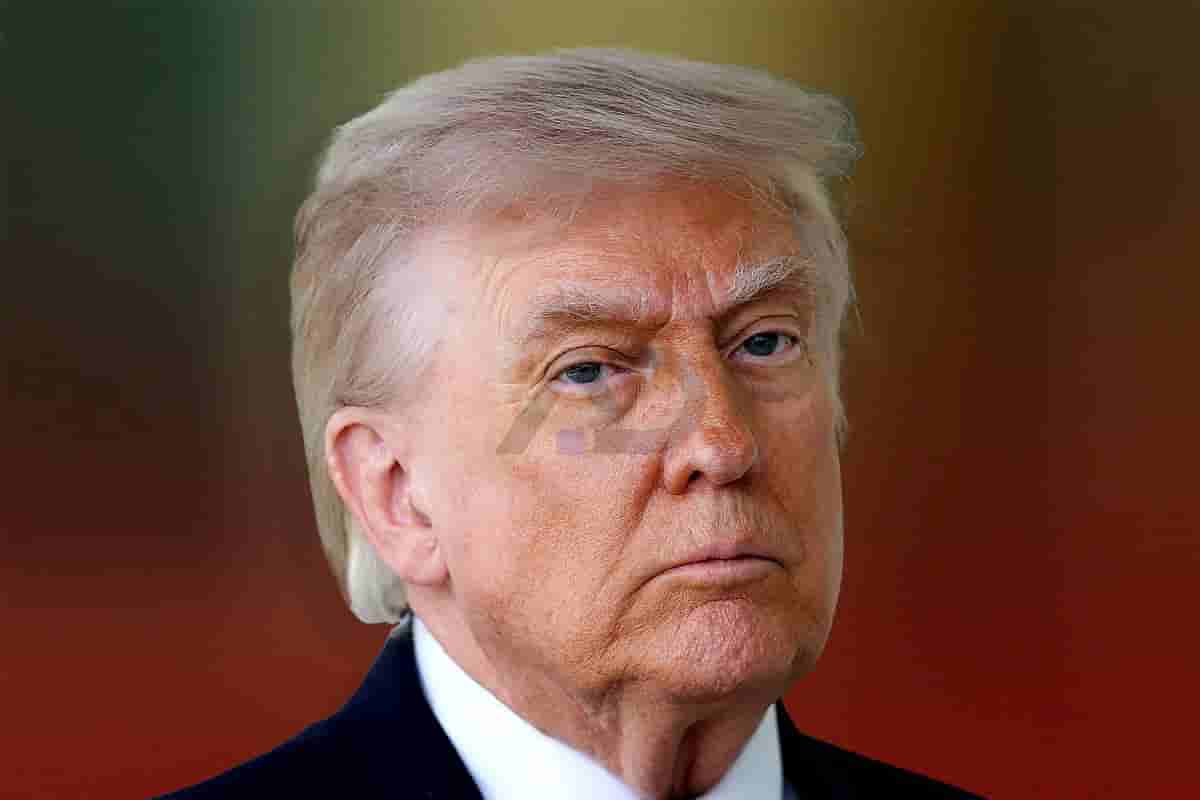
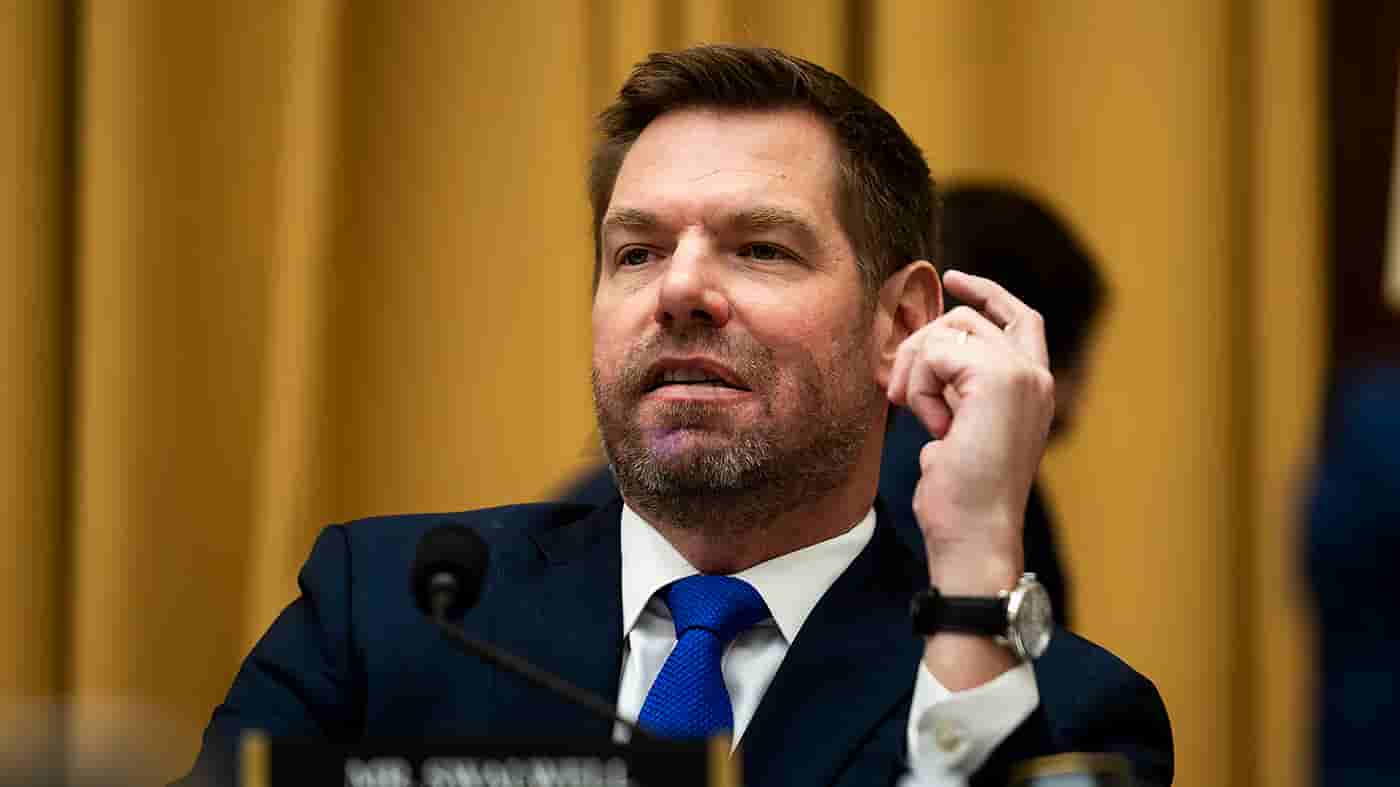
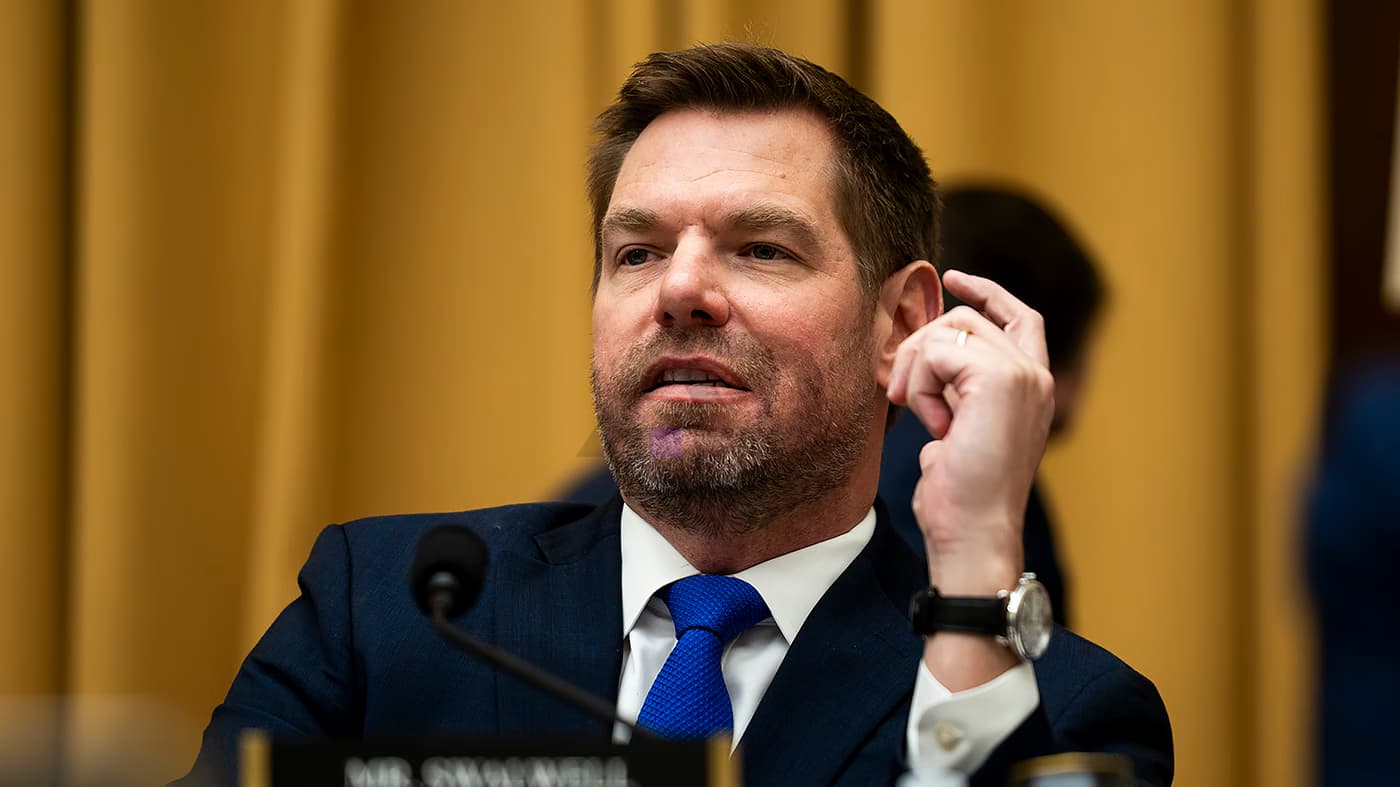
US Treasury Secretary Bessent assessed the impact of economic pressure on Iran and the trade talks with China at an event held as part of the G20 Finance Ministers’ meeting in Asheville, North Carolina.
Bessent said they did not want a break in trade with China but needed to reduce risks. He said the positive aspect of the COVID-19 pandemic was that it showed where the bottlenecks were located.
A two-year outlook for the Strait of Hormuz
Bessent claimed that Iran was trying to use the Strait of Hormuz as a bottleneck, saying that the strait did not constitute a bottleneck for the United States but was important to many countries.
Bessent argued that the Strait of Hormuz would lose its importance within two years. He said oil would be transported through pipelines running overland.
New sanctions on Iran may be announced
Speaking about the economic campaign against Iran, Bessent said the economic results achieved would not have been possible without the initial military success. He argued that sanctions and the blockade were working, saying that Iran had suffered major military losses and was in economic difficulty.
Bessent said they were applying pressure on Iran at an unprecedented level and noted that they could announce sanctions targeting one bank this week and another the following week.
Bessent said allies were also supporting the process and that they would get Iran to the negotiating table for an agreement.
Common views with China on Iran
Bessent said the United States and China had more points in common than issues on which they disagreed regarding Iran. He said the two countries shared the view that Iran should not possess nuclear weapons and that freedom of navigation in the Strait of Hormuz should be protected.