- BIST10011,722-2.89%
- USD49.45+0.05%
- EUR55.62+0.37%
- GOLD4,181.10+0.26%
- INTEREST37.00%-1.00
- BITCOIN81,434-0.08%
- October 17, 202614°
- BIST10011,722-2.89%
- USD49.45+0.05%
- EUR55.62+0.37%
- GOLD4,181.10+0.26%
- INTEREST37.00%-1.00
- BITCOIN81,434-0.08%
- October 17, 202614°
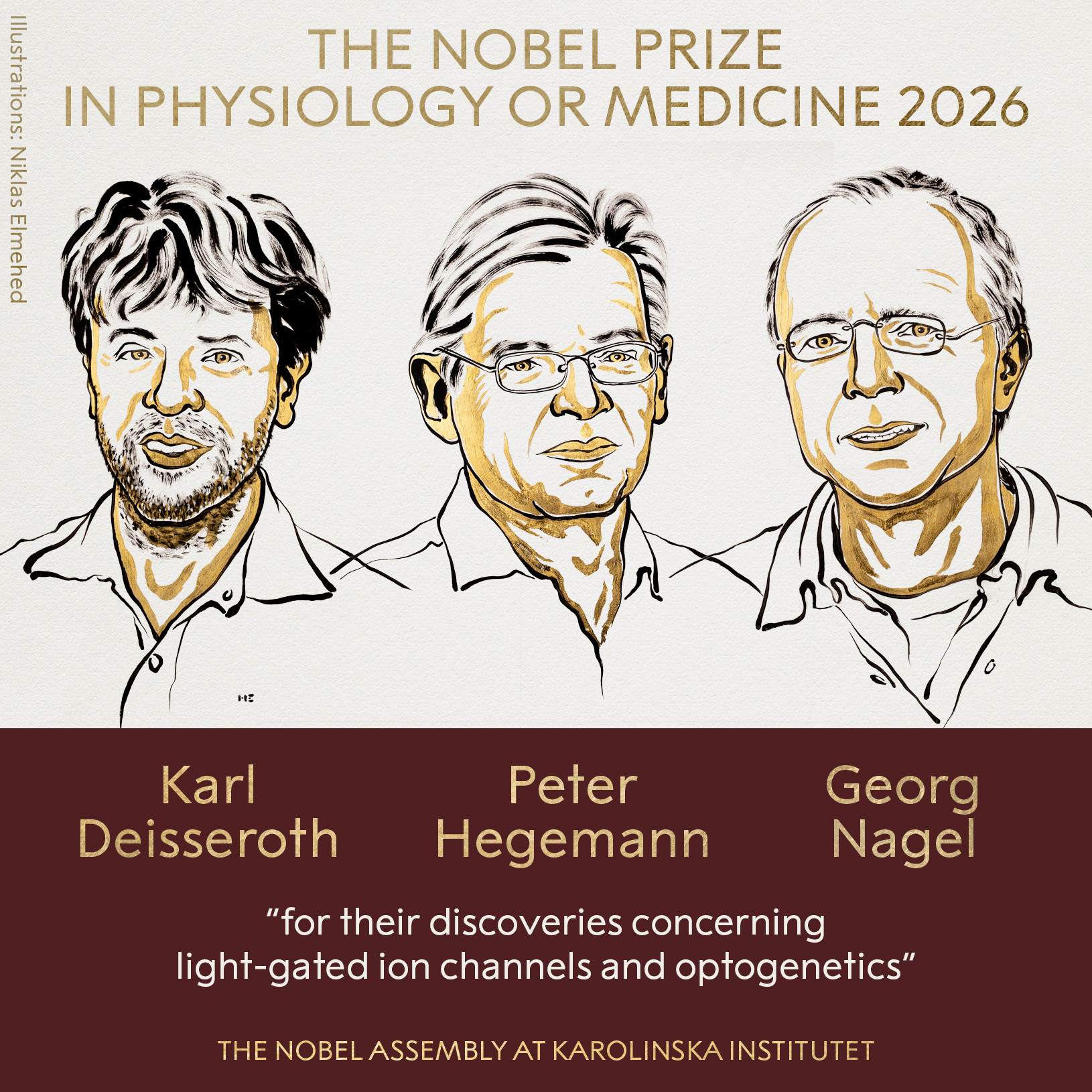
Stanford’s Karl Deisseroth shares 2026 Nobel Prize in Medicine for optogenetics
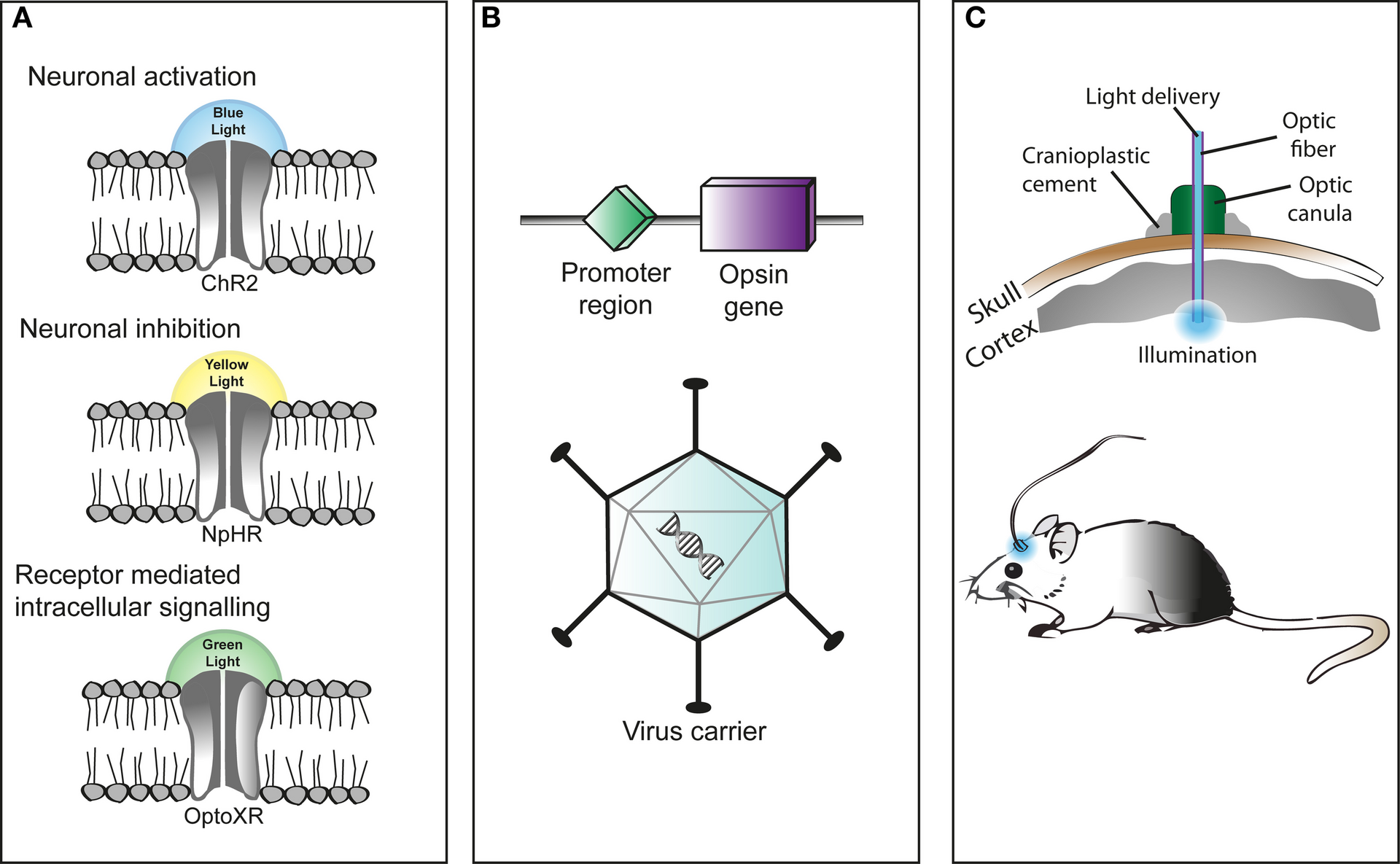
Stanford University psychiatrist and neuroscientist Karl Deisseroth shares the 2026 Nobel Prize in Physiology or Medicine with Germany’s Peter Hegemann and Georg Nagel for discoveries that let scientists control nerve cells with light.
Ally Daily Editorial DeskUpdated:


Stay Updated with Ally Daily
Subscribe to be informed about special news, developments and announcements. We will keep you informed.
By signing up, you agree to our Privacy Policy