- BIST10011,722-2.89%
- USD49.45+0.05%
- EUR55.62+0.37%
- GOLD4,181.10+0.26%
- INTEREST37.00%-1.00
- BITCOIN81,450-0.06%
- October 17, 202614°
- BIST10011,722-2.89%
- USD49.45+0.05%
- EUR55.62+0.37%
- GOLD4,181.10+0.26%
- INTEREST37.00%-1.00
- BITCOIN81,450-0.06%
- October 17, 202614°
New Jersey confirms first West Nile virus death of 2026
The New Jersey Department of Health confirmed the state’s first West Nile virus death of the year, with 26 human cases reported so far.
Ally Daily Editorial DeskUpdated:
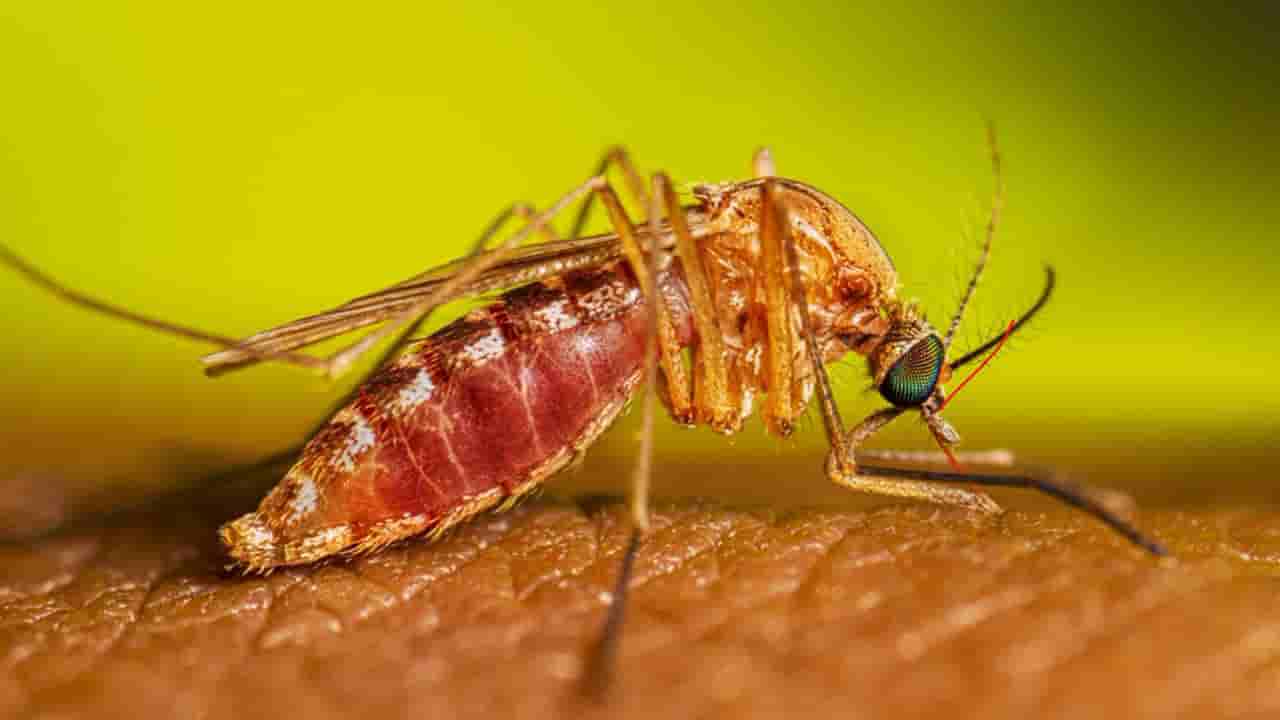
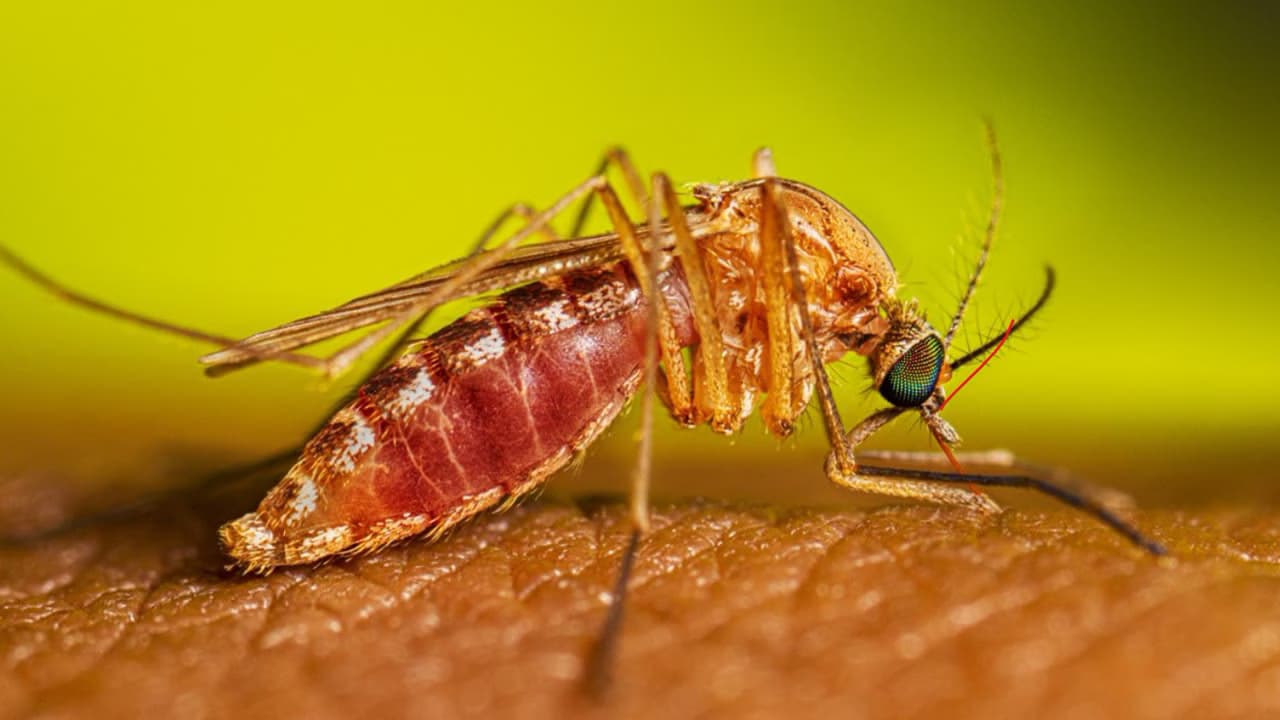
New Jersey has recorded its first death of the year from West Nile virus, the mosquito-borne illness. The state Department of Health confirmed the death on Friday, Oct. 2, without releasing the person’s identity. According to local media reports, the person lived in South Jersey and was over 60.
State data show 26 human cases across 13 counties so far this year, with several more under investigation. Nineteen patients developed severe neurological illness, and 69% of all cases involved people aged 60 and older. Monmouth County has the most cases with six, followed by Mercer with four and Camden with three. The virus was also detected in five blood donors who showed no symptoms.
“Prevention is key”
“When we see numbers increasing and loss of life from WNV, we are reminded that prevention is key,” New Jersey Health Commissioner Dr. Raynard E. Washington said.
The department said the number of cases reported in recent weeks is higher than average. Fourteen of the patients fell ill in late August or September, a sign that the mosquito risk does not end with summer.
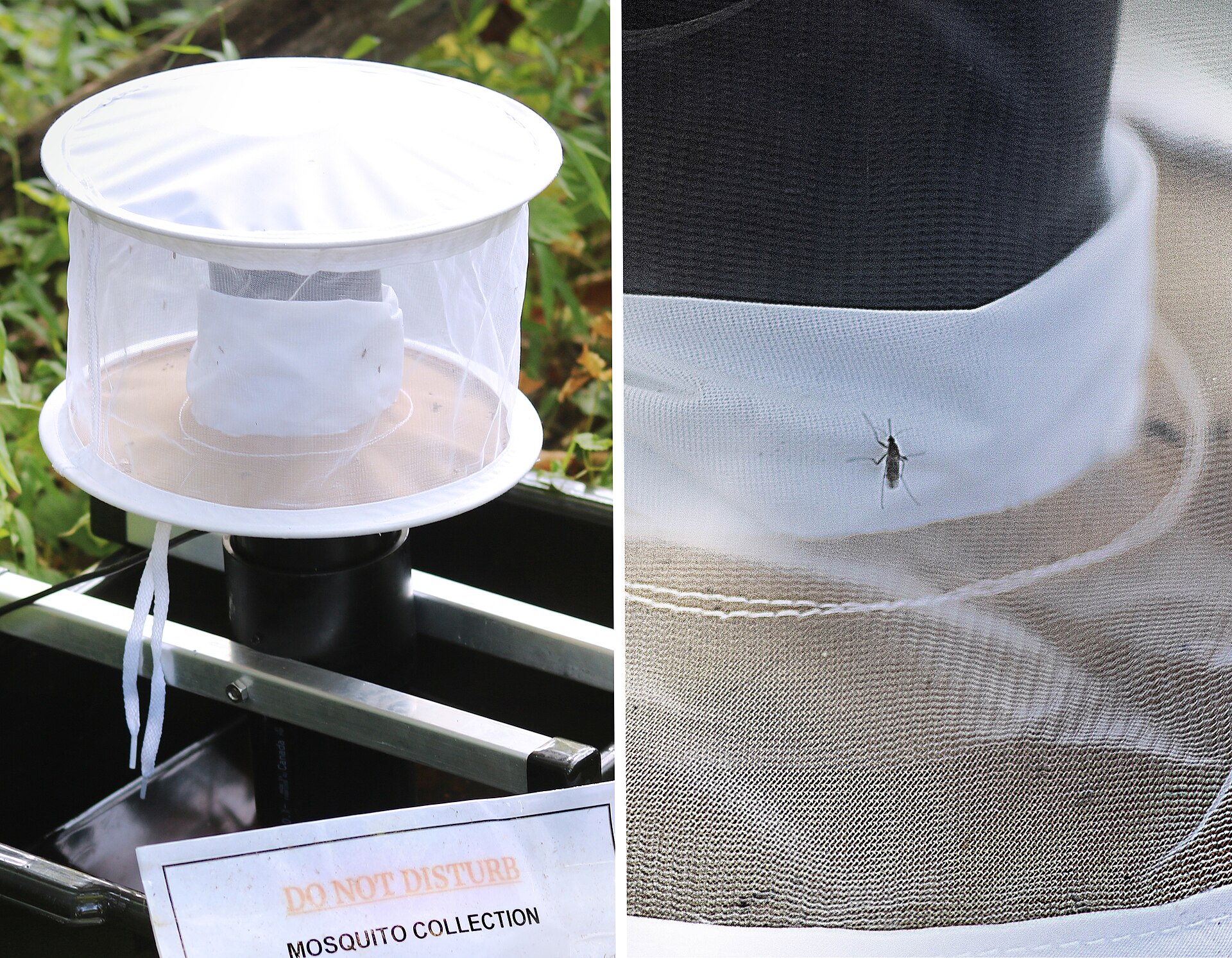
The virus has been found in 1,182 mosquito pools across all 21 counties, with the highest numbers of positive samples in Mercer, Hudson, Somerset, Bergen and Middlesex. In 2024, New Jersey recorded 41 human cases and eight deaths.
Symptoms and prevention
According to the Centers for Disease Control and Prevention (CDC), most people infected with the virus have no symptoms or a mild, flu-like illness. Mild cases can bring fever with headache or body aches, joint pain, vomiting, diarrhea or a rash. About one in 150 infected people becomes seriously ill; symptoms such as high fever, neck stiffness, stupor, disorientation and muscle weakness may require hospitalization. About 10% of people who develop severe neurological illness die.
Officials recommend using EPA-registered insect repellent, avoiding the outdoors at dawn and dusk, wearing long sleeves and pants, emptying standing water around the home and using screens on windows and doors.
Stay Updated with Ally Daily
Subscribe to be informed about special news, developments and announcements. We will keep you informed.
By signing up, you agree to our Privacy Policy