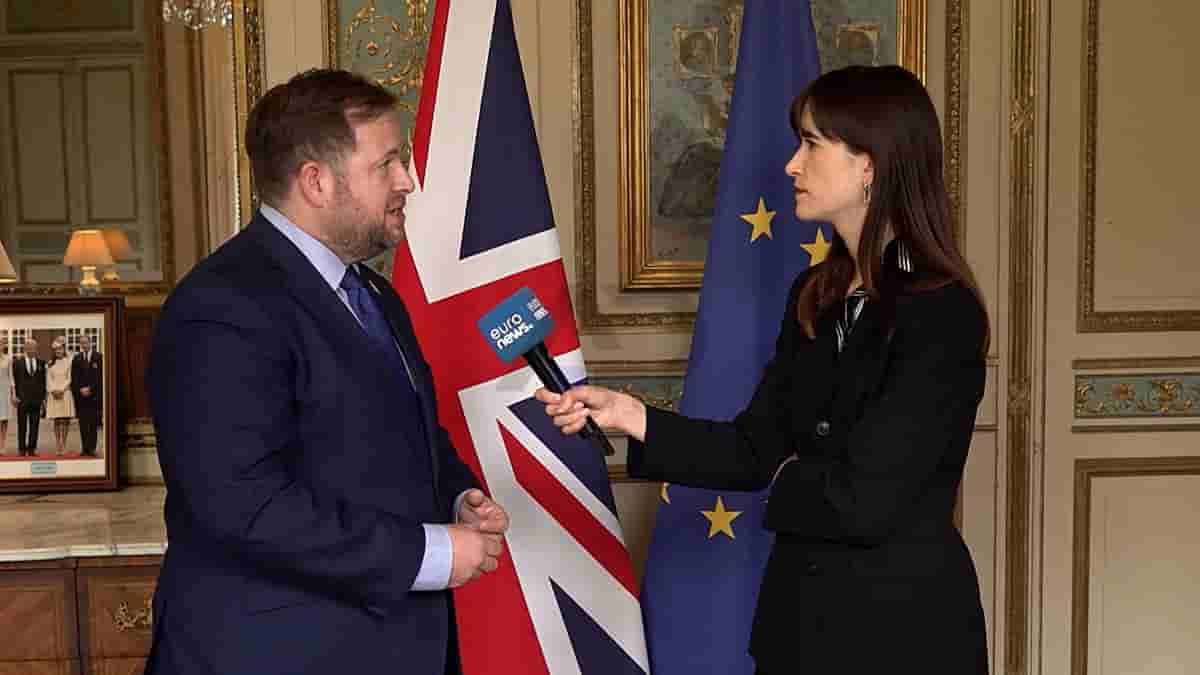
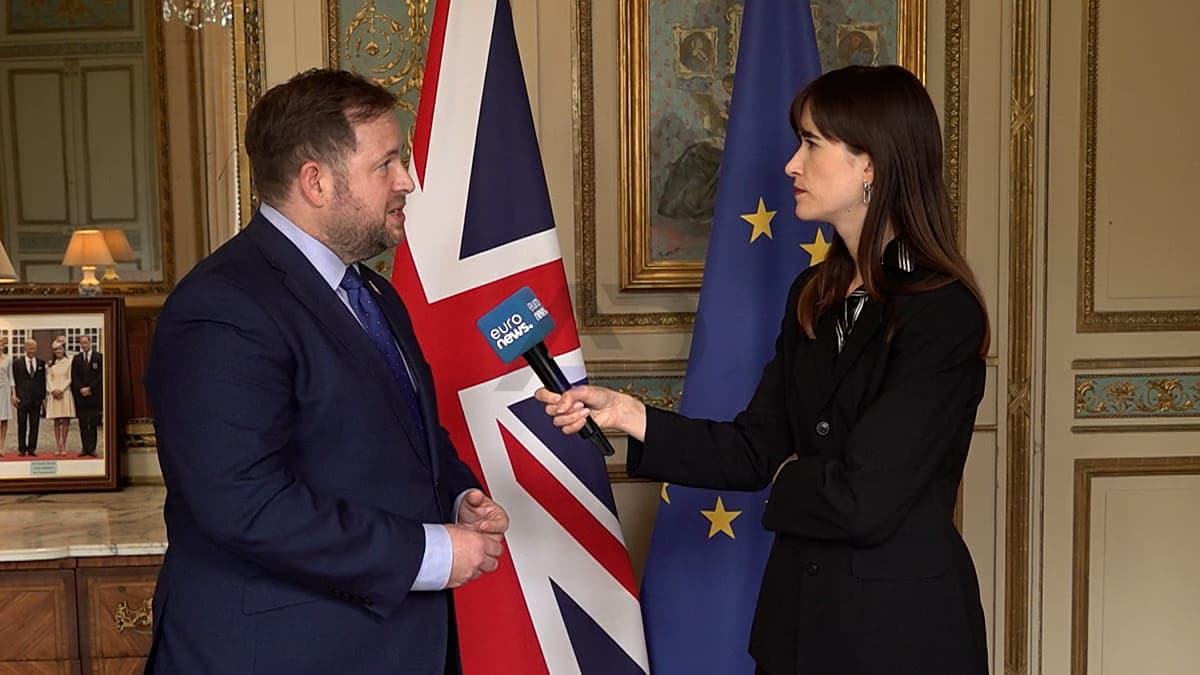
U.S. Ambassador to NATO Matthew Whitaker said NATO members should not remain silent in the face of deliberate hybrid attacks. Whitaker said Washington would support allies facing such actions and called on national authorities to closely monitor critical facilities.
Speaking on the sidelines of a business conference in Italy, Whitaker said Germany had held Russia responsible for the drone incident at Leipzig/Halle Airport last month. He described the incident as more concerning than recent developments involving Russian drones targeting Ukraine that had drifted into NATO airspace.
Whitaker counted the incidents in Leipzig and Poland among the more serious hybrid actions and urged NATO members to remain vigilant. He said a decisive response should be given when hostile actions are detected.
Whitaker said that when Germany identifies those responsible, it must be made clear in strong terms that such actions are unacceptable. He warned that hybrid attacks could target critical infrastructure, including energy facilities, and said monitoring these sites was the responsibility of national authorities.
Whitaker said measures against such incidents primarily fell under national responsibility. He added that Washington would stand with its allies facing similar actions.

Accusations between Germany and Russia
Germany alleged that the incident at Leipzig Airport on Aug. 5 had been planned by Russian intelligence services. Berlin subsequently announced measures including the closure of Russia's Consulate General in Bonn and the termination of an agreement covering Russian cultural and information centers, including the Russian House in Berlin.
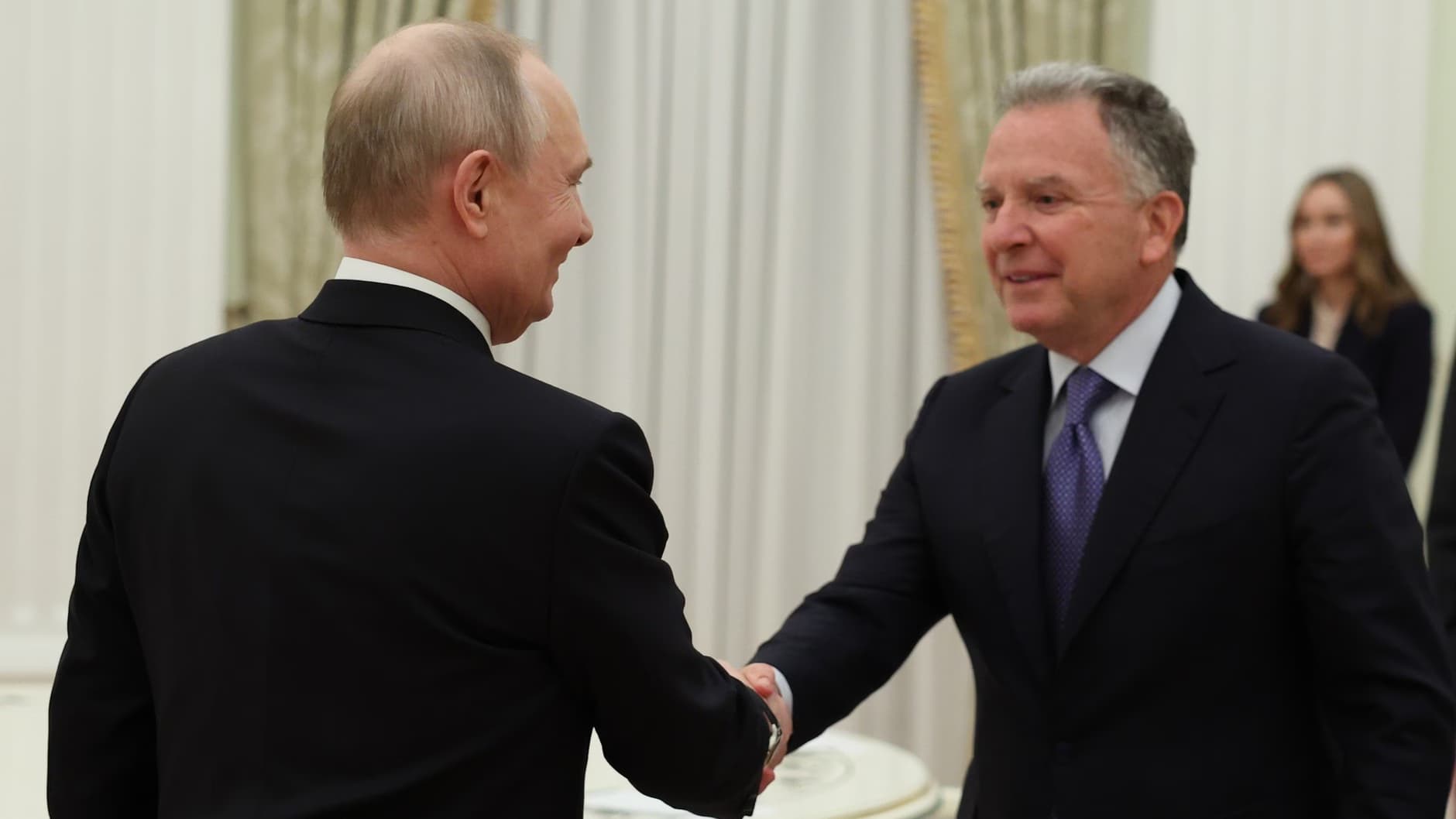
Russia rejected the accusations as “groundless, absurd and irrational.” The Russian Embassy in Berlin said Germany had presented no evidence and described the measures as an “unprecedented escalation” in bilateral relations.
Russian Foreign Ministry spokeswoman Maria Zakharova warned that Germany would receive an “appropriate response.” Russian President Vladimir Putin also rejected Germany's accusations and said Berlin's claims were largely driven by the country's domestic political situation.