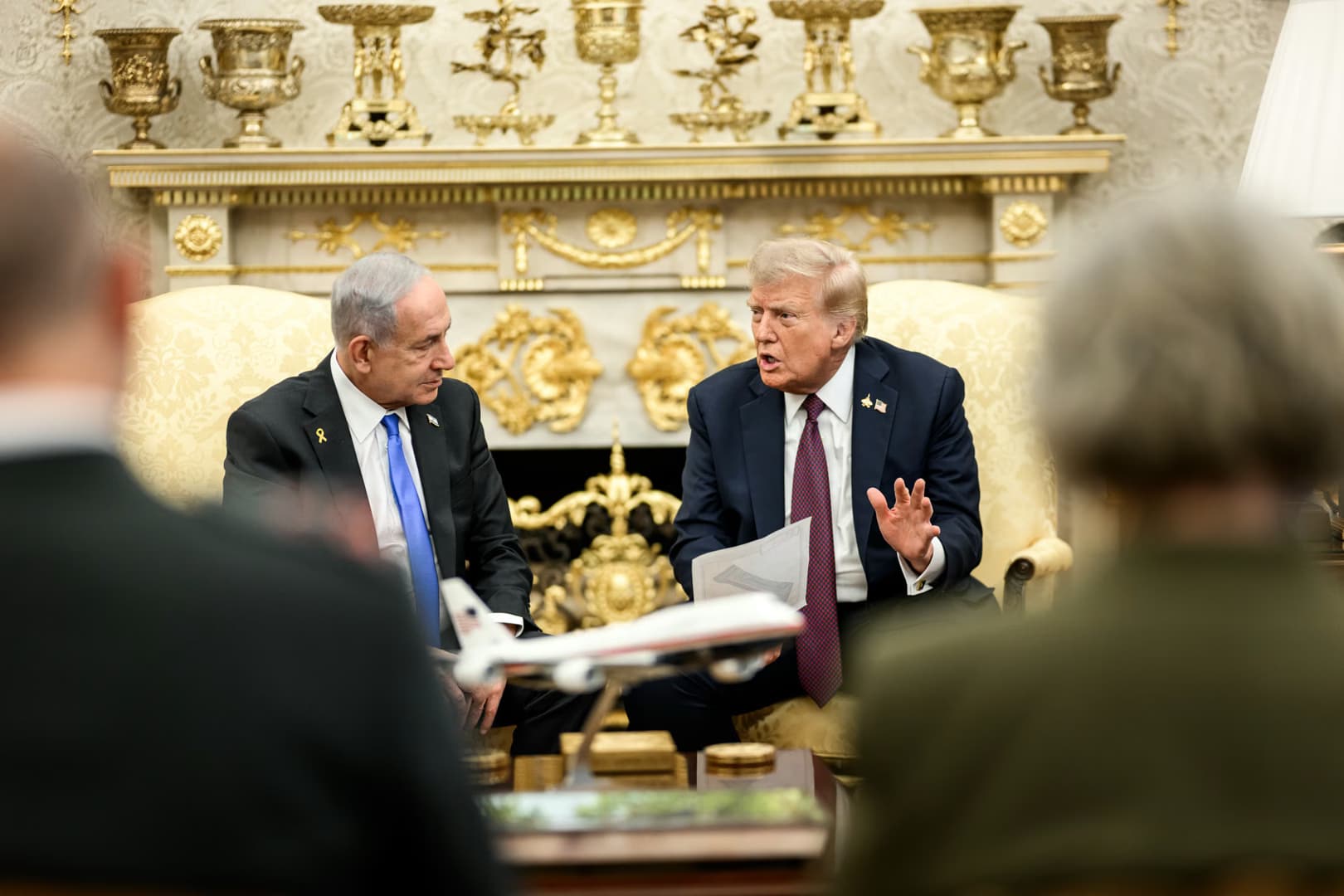
Concerns are growing within the Israeli administration regarding the draft agreement being shaped between the US and Iran. It is being assessed that the draft does not meet Tel Aviv's security demands and could provide new gains to Iran.
The Israeli cabinet is reported to have convened to discuss the implications of the upcoming agreement. Evaluations in the Israeli media indicate that political and military circles have had limited influence during the negotiation process.
Missile Program and Regional Ties Take Center Stage
According to Israeli officials, the draft does not include direct commitments concerning Iran's ballistic missile program and its relations with regional allies. These issues are noted as among Israel's most significant security concerns.
Officials express the view that the agreement could strengthen reconnection and supply channels between Iran and regional actors. This situation is suggested to potentially weaken the military and political gains Israel claims to have achieved recently.
Nuclear File and Timeline Under Debate
On the nuclear file, it is reported that the framework falls short of Israeli expectations. Israeli assessments suggest that Washington may accept formulas limited to reducing uranium enrichment levels, while the removal of enriched stockpiles from Iran might not be on the agenda.
The proposed sixty-day period to complete negotiations is also causing concern. Opinions are shared that this timeframe could allow Iran to stall and buy time.
Within Israel, there is also worry that as the process advances, the US might lose its leverage over Iran. It is evaluated that even if Tehran fails to fulfill new obligations after the deadline, Washington's pressure capabilities could weaken.
Political and Economic Consequences Also Discussed
It is argued that the agreement could have consequences not only for security but also for the economy and regional balance. Israeli officials suggest that the compromise could increase stability in the Strait of Hormuz and provide relief to Iran's economy.
This scenario leads to interpretations that Tehran could strengthen its regional position and challenge the pressure policy advocated by Israel. Evaluations in the Israeli media emphasize that Tel Aviv has been excluded from the process and has limited influence on the decision-making mechanism.
Opposition leader Yair Lapid also argues that the draft agreement fails to achieve any of Israel's declared goals. According to Lapid's assessment, the Iranian regime will continue to exist, the missile program will persist, and the path to rebuilding nuclear capacity in the future will remain open.