- BIST10010,760-3.64%
- USD49.86+0.15%
- EUR55.82+0.52%
- GOLD3,898.90-3.29%
- INTEREST36.00%-1.00
- BITCOIN77,925+0.63%
- November 1, 20265°
- BIST10010,760-3.64%
- USD49.86+0.15%
- EUR55.82+0.52%
- GOLD3,898.90-3.29%
- INTEREST36.00%-1.00
- BITCOIN77,925+0.63%
- November 1, 20265°
U.S. clocks fall back, putting Türkiye 8 hours ahead of New York
Daylight saving time ended at 2 a.m. local time Sunday. Because Türkiye stays on UTC+3 all year, the gap grows to 8 hours on the East Coast and 11 on the West Coast until clocks spring forward on March 14, 2027.
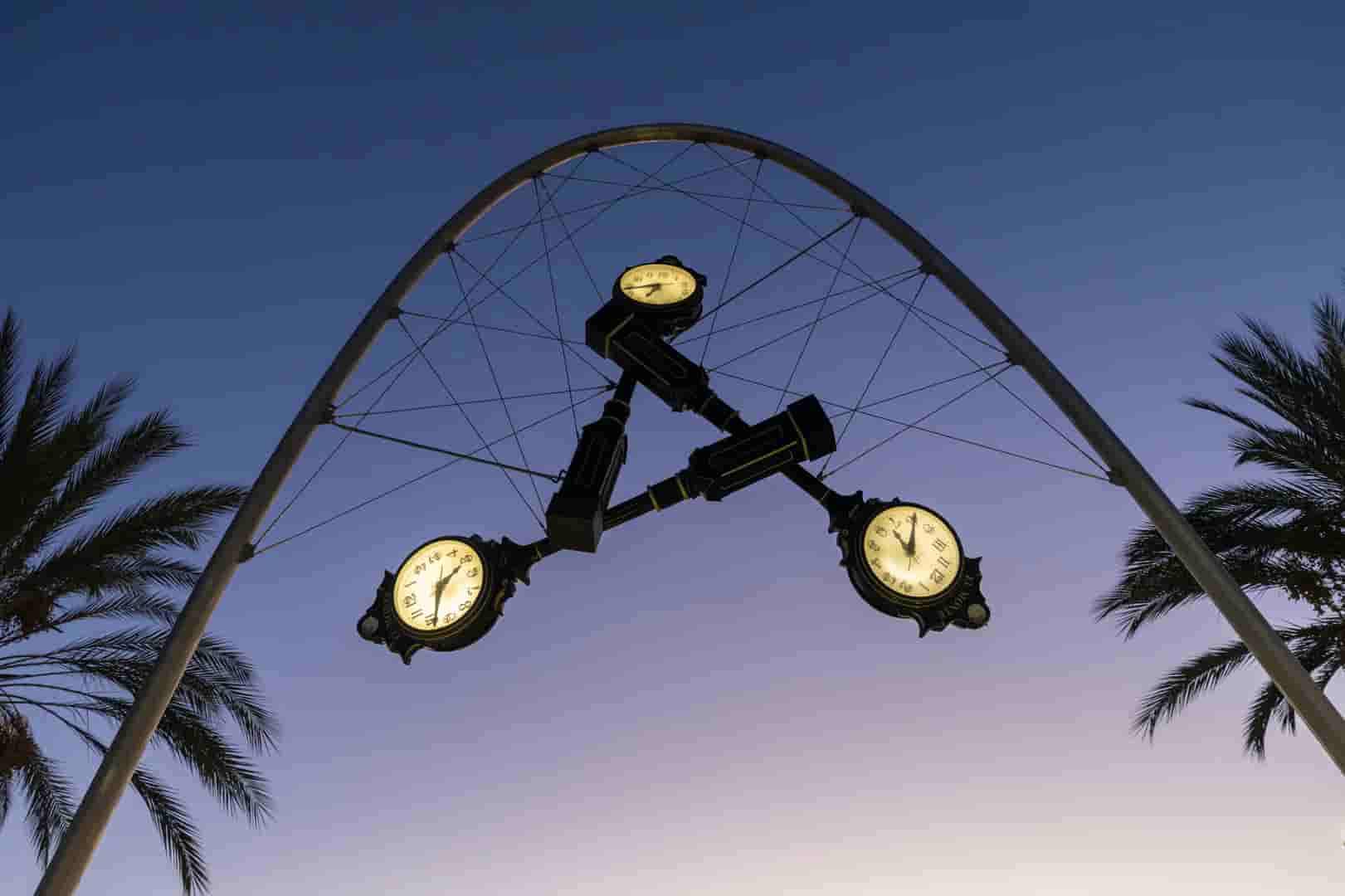
Daylight saving time ended early Sunday, Nov. 1, across most of the United States. At 2 a.m. local time, clocks went back one hour to 1 a.m., starting in the Eastern time zone and moving west hour by hour.
Smartphones, computers and other connected devices switched on their own. Oven and microwave clocks, car dashboards and older wall clocks have to be set back by hand.
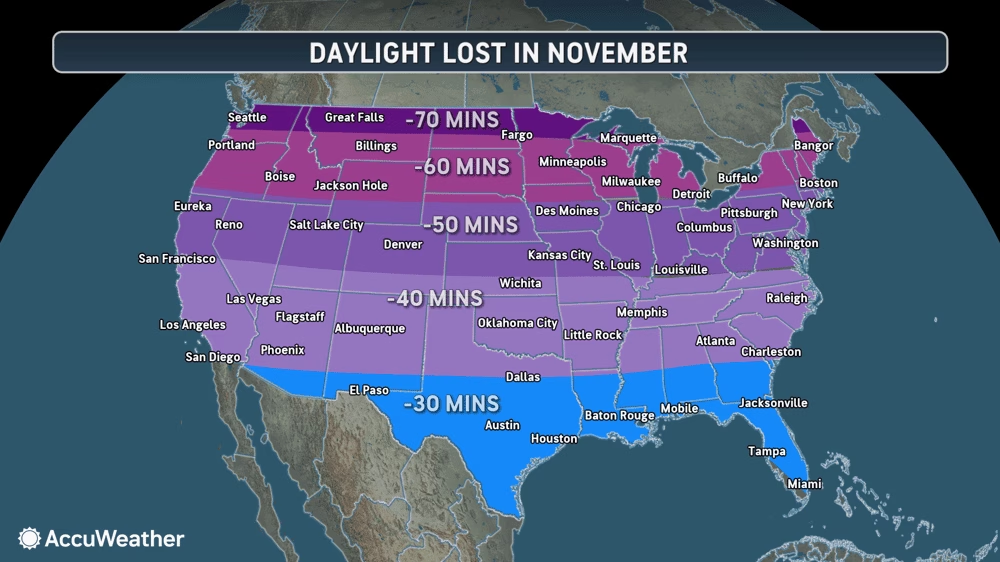
The extra hour of sleep comes at a price in the evening: sunset now arrives about an hour earlier. And according to AccuWeather, cities along the northern tier, from Seattle to Fargo, lose about 70 minutes of daylight over November, while the Gulf Coast and South Florida lose about 30.
The new time gap with Türkiye
Türkiye has stayed on UTC+3 year-round since 2016 and does not change its clocks, so the gap with most of the U.S. grew by one hour overnight. Türkiye is now 8 hours ahead of New York, Washington and Miami, up from 7. It is 9 hours ahead of Chicago and Houston, 10 ahead of Denver and 11 ahead of Los Angeles and Seattle. The difference stays at 10 hours for Phoenix and 13 hours for Honolulu.
In practice, a 9 a.m. call from New York now reaches Istanbul at 5 p.m., and a 9 a.m. call from Los Angeles rings at 8 p.m. in Türkiye.
Where the clocks did not change
Hawaii and most of Arizona stay on standard time all year, so nothing changed there. The Navajo Nation in northeastern Arizona, which observes daylight saving time, did fall back. Puerto Rico, Guam, the U.S. Virgin Islands, American Samoa and the Northern Mariana Islands do not use daylight saving time either, according to the National Institute of Standards and Technology.
Clocks will spring forward again at 2 a.m. on Sunday, March 14, 2027, and the gap with Türkiye will shrink back to 7 hours on the East Coast.
Permanent daylight time stalls in the Senate
The House passed the Sunshine Protection Act 308-117 on July 14. The bill would make daylight saving time permanent while letting states opt out, but it has stalled in the Senate.
President Donald Trump backs the bill. Earlier in October he publicly released what he said was Sen. Tom Cotton's cellphone number and urged Arkansans to call him, and this week he wrote that the "United States Senate is letting the Daylight Saving Bill die."
Cotton, the bill's most vocal opponent, says Congress tried permanent daylight time before and repealed it "once Americans experienced absurdly late sunrises in the winter." Several Republican senators have said the bill is unlikely to get a vote when the Senate returns after the Nov. 3 midterm elections, the Associated Press reported.
Have a story, event or announcement of your own?Send us your news on WhatsApp
Spotted an error in this story?Report it on WhatsApp
Share on all social platforms
Sponsored Ads
Featured Listings
Loading featured properties...
Stay Updated with Ally Daily
Subscribe to be informed about special news, developments and announcements. We will keep you informed.
By signing up, you agree to our Privacy Policy