7-hydroxymitragynine (7-OH) products derived from kratom have recently become the center of a heated debate among users and industry stakeholders in the US. Sold as gummies, capsules, and beverages, these products are defended by some as an extension of kratom, while others view them as much stronger substances with opioid-like effects.
Kratom advocates have long promoted the plant’s pain-relieving properties with bipartisan support, presenting it as a more natural alternative to the opioid crisis. However, some within these circles now call for a ban on products containing 7-OH. Meanwhile, part of the kratom industry worries that 7-OH could damage kratom’s reputation and push the entire market into a regulatory deadlock.
Rapidly spreading products at sales points spark backlash
Products sold under brands like Magic 7OH, 7 O’Heaven, and Pure OHMS have become visible in thousands of gas stations and convenience stores over the past few years, fueling the debate. Reports of severe withdrawal symptoms among users have emerged, along with cases of multi-substance overdoses involving 7-OH combined with other drugs.
Some consumers have turned to rehabilitation programs, while others have attempted self-detoxification guided by social media communities. In response, the 7-OH camp opposes bans, arguing these products are part of kratom. However, scientific assessments cited in the report emphasize that 7-OH is present only in trace amounts in kratom leaves, and the concentrated forms on the market are significantly more potent.
Federal agencies adopt tough stance
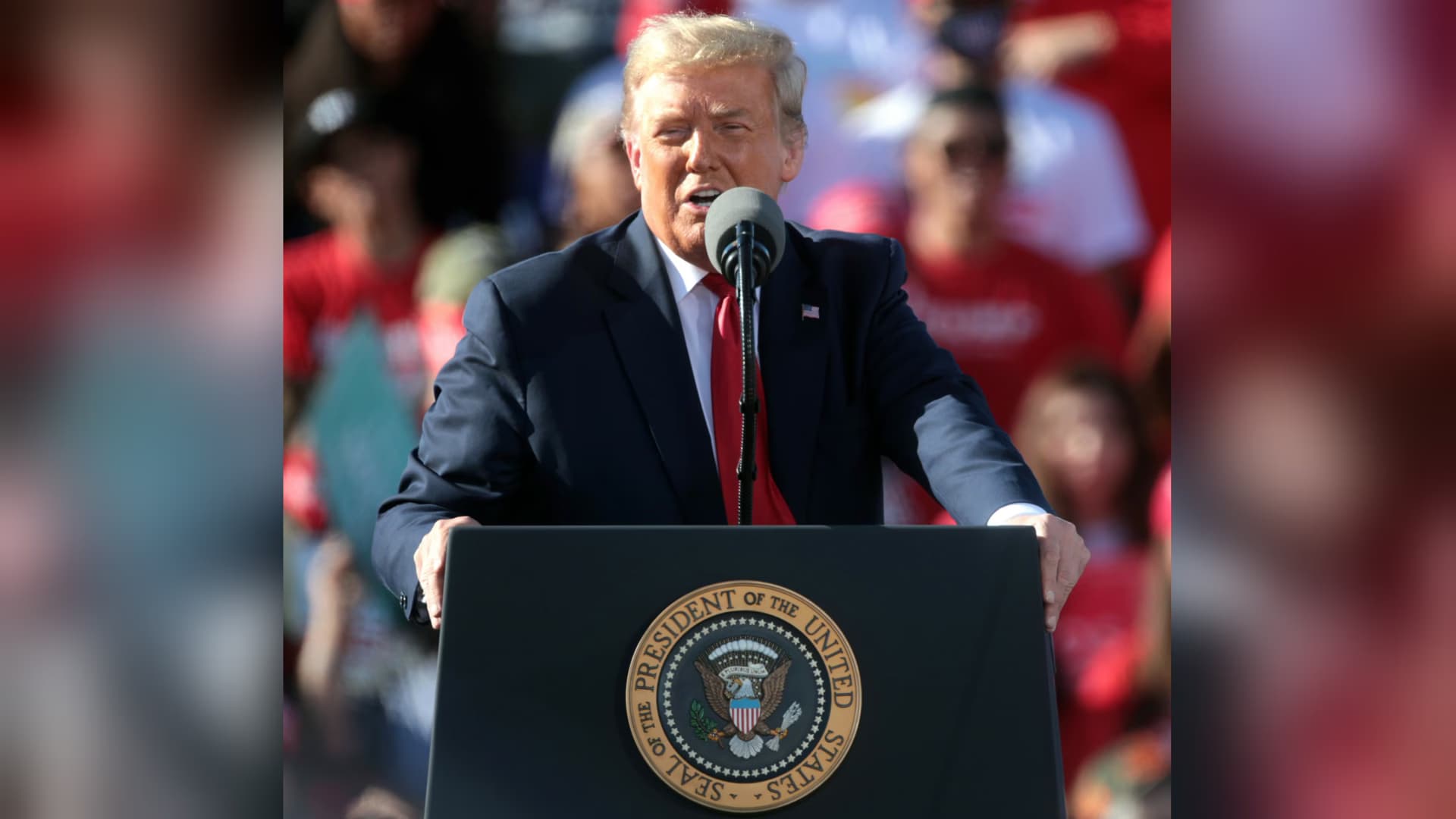
US Secretary of Health and Human Services Robert F. Kennedy Jr. described the 7-OH industry as "dark" during a press conference last year. At the same event, FDA Commissioner Marty Makary called on the DEA to classify the substance as a Schedule I drug. On May 11, former President Donald Trump used the term "natural 7-OH" in a supportive context, though the report conveys some ambiguity about whether he was referring to kratom or another product.
Public health warnings have also focused on the colorful, sweet-flavored products marketed as child-friendly. The FDA has placed these products in a risk category similar to opioids and called for measures to prevent a new wave of opioid abuse.
States act ahead of federal classification
The report notes that more than a dozen states from California to Vermont have imposed bans on 7-OH without waiting for federal classification. Seven of these states have also banned kratom. Rhode Island recently reversed its own ban.
These developments have intensified the debate over how these products should be classified. Opponents highlight the addiction and withdrawal risks of concentrated 7-OH, while supporters advocate for regulation through quality standards, labeling requirements, and potency limits rather than outright bans.
Businesses, donations, and conflict of interest debates
The report details the background of JW Ross, founder of the kratom beverage brand Feel Free. Ross previously held senior roles in an oil and gas exploration company and was sentenced to prison for failing to make required SEC disclosures and diverting $10 million from the company in 2010. Earlier this year, an LLC linked to Feel Free donated $500,000 to the MAHA PAC.
This donation, following the Department of Justice’s dismissal of a case against Feel Free products a few months prior, has fueled conflict of interest discussions. Photos of Ross with RFK Jr. and a government disclosure form revealing that Markwayne Mullin invested up to $1 million in Feel Free’s parent company have further intensified criticism. The Department of Homeland Security states that Mullin fully complies with ethics and conflict of interest rules.
Two contrasting user experiences emerge
Some 7-OH users claim the substance provides positive effects on anxiety and pain. Chris, a 49-year-old from the Midwest, says he takes 20 to 25 milligrams twice daily, which has completely changed his life and been noticed by those around him.
However, he also reports experiencing flu-like withdrawal symptoms after a few days without use. Another user interviewed by WIRED in August said 7-OH helped reduce their opioid dependency.
Experts caution that consuming these products without knowing their exact contents carries risks. Researcher Chris McCurdy from the University of Florida notes that many labeled 7-OH products contain components whose biological effects on animals or humans are not well understood.
Scientific research and ban debates progress simultaneously
McCurdy warns that classifying 7-OH as Schedule I could severely restrict research activities. He argues that the possibility that the substance might have a safer profile than traditional prescription opioids for some individuals deserves investigation.
Another key topic is research on mitragynine, kratom’s main psychoactive compound. Following the National Institutes of Health’s announcement that a new drug application for research on opioid use disorder took effect on June 1, the first major trial in this area is expected to begin.
Soren Shade, founder of Top Tree Herbs, a kratom tea producer, acknowledges that irresponsible marketing, dangerous dosing recommendations, and poor quality control by bad actors have worsened the crisis. However, he believes the solution lies not in blaming the molecule but in tightening regulations and penalizing violators. According to him, a total ban on 7-OH would not eliminate use but push people toward less regulated and riskier alternatives.