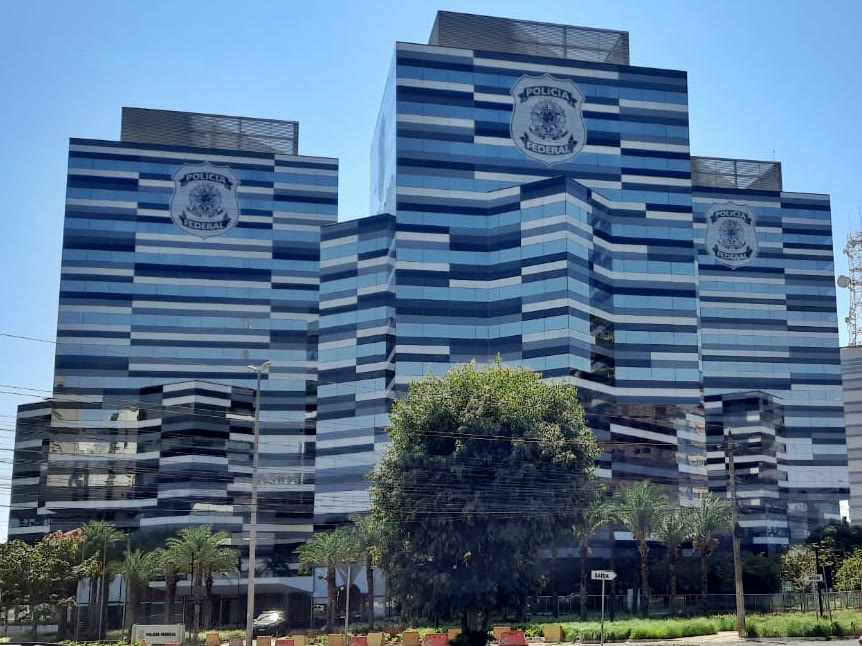
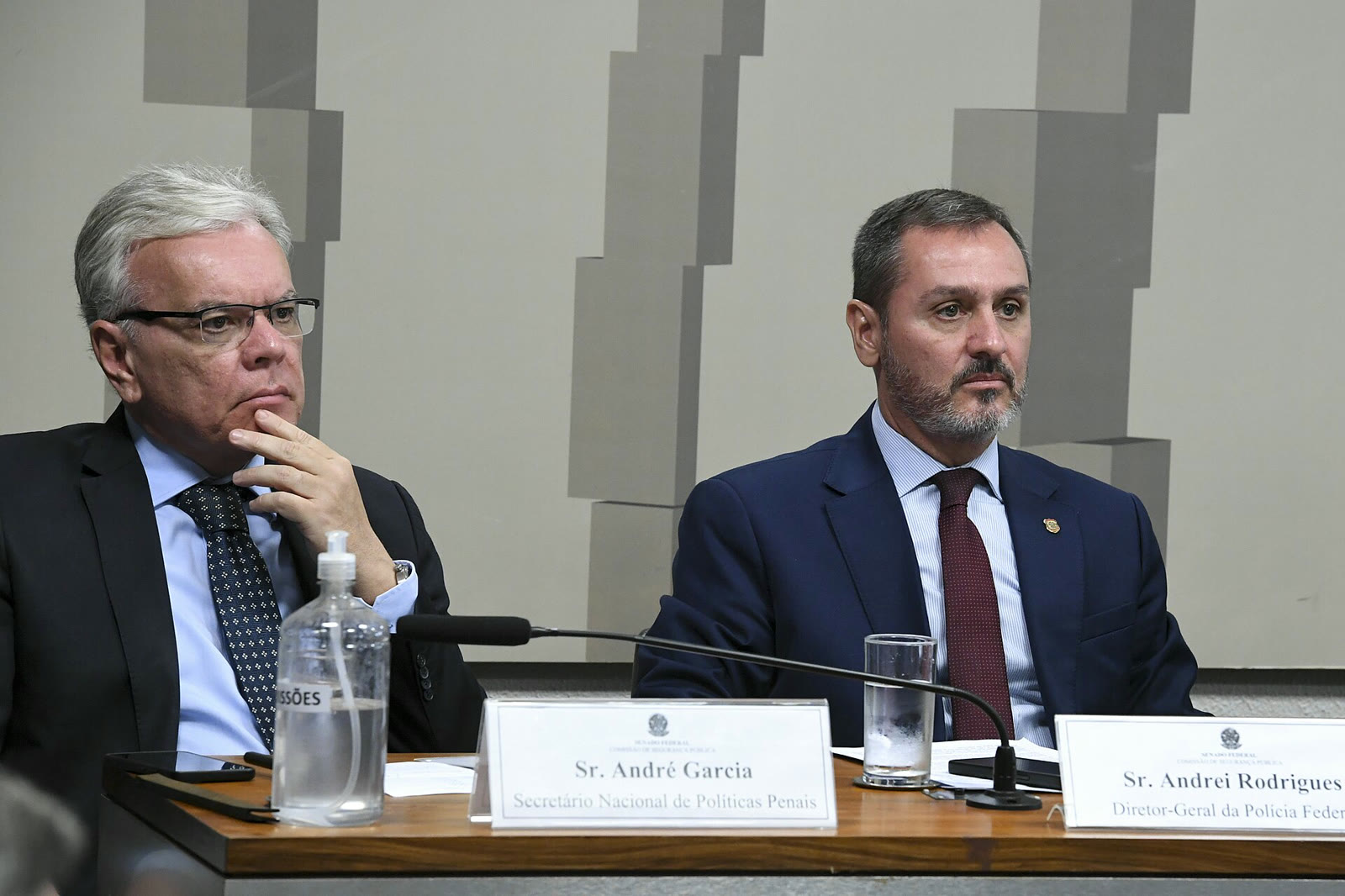
As the first round of Brazil’s presidential election continued, the Federal Police began examining allegations of possible U.S. intervention in the electoral process. Federal Police Director-General Andrei Rodrigues said at a press briefing in the capital Brasília that the investigation was still in its preliminary stage.
Rodrigues said the case had not yet been officially released but that the examination was continuing. The Federal Police referred the case to its Intelligence Directorate to help ensure that the 2026 elections are conducted safely and orderly.
Funding allegations prompted the request for an investigation
The Office of the Prosecutor General requested an investigation into possible foreign intervention in Brazil’s electoral process. The application included allegations that U.S. government funds had been transferred to networks and organizations in Brazil.
The Brazilian government’s application alleged that the funds may have been used to interfere in political debates. It also alleged that the funds may have been used to destabilize the functioning of the country’s judicial institutions and target them.
Lula and Flavio Bolsonaro cast their ballots
As the investigation was launched, Brazilians went to the polls for the first round of the closely watched presidential election. Incumbent President Luiz Inacio Lula da Silva, one of the leading candidates, and Senator Flavio Bolsonaro, the son of former President Jair Bolsonaro, cast their ballots.
Lula, running for a nonconsecutive term for the fourth time, voted at around 9:15 a.m. local time in the city of Sao Bernardo do Campo, in São Paulo state. Lula said he was confident he would win the election because of his government’s work and his campaign.
Flavio Bolsonaro voted in Rio de Janeiro shortly after polling stations opened. Predicting that he would win the election in the first round, Bolsonaro said he wanted to give Brazilian families the right to dream again.
Polling gap narrows
Voting nationwide began at 8 a.m. Brasília time and was scheduled to end at 5 p.m. According to Brazil’s Superior Electoral Court, approximately 159 million voters were eligible to vote in the first round.
The final Datafolha poll before the election showed Lula with 45% of valid votes and Flavio Bolsonaro with 42%. If both candidates remain below the 50% threshold needed to win in the first round, a runoff will be held on October 25.
The Organization of American States’ election observation mission said the voting process was proceeding smoothly under appropriate security conditions. The Federal Police said 48 people had been detained for electoral offenses, including suspected vote-buying and illegal campaigning.
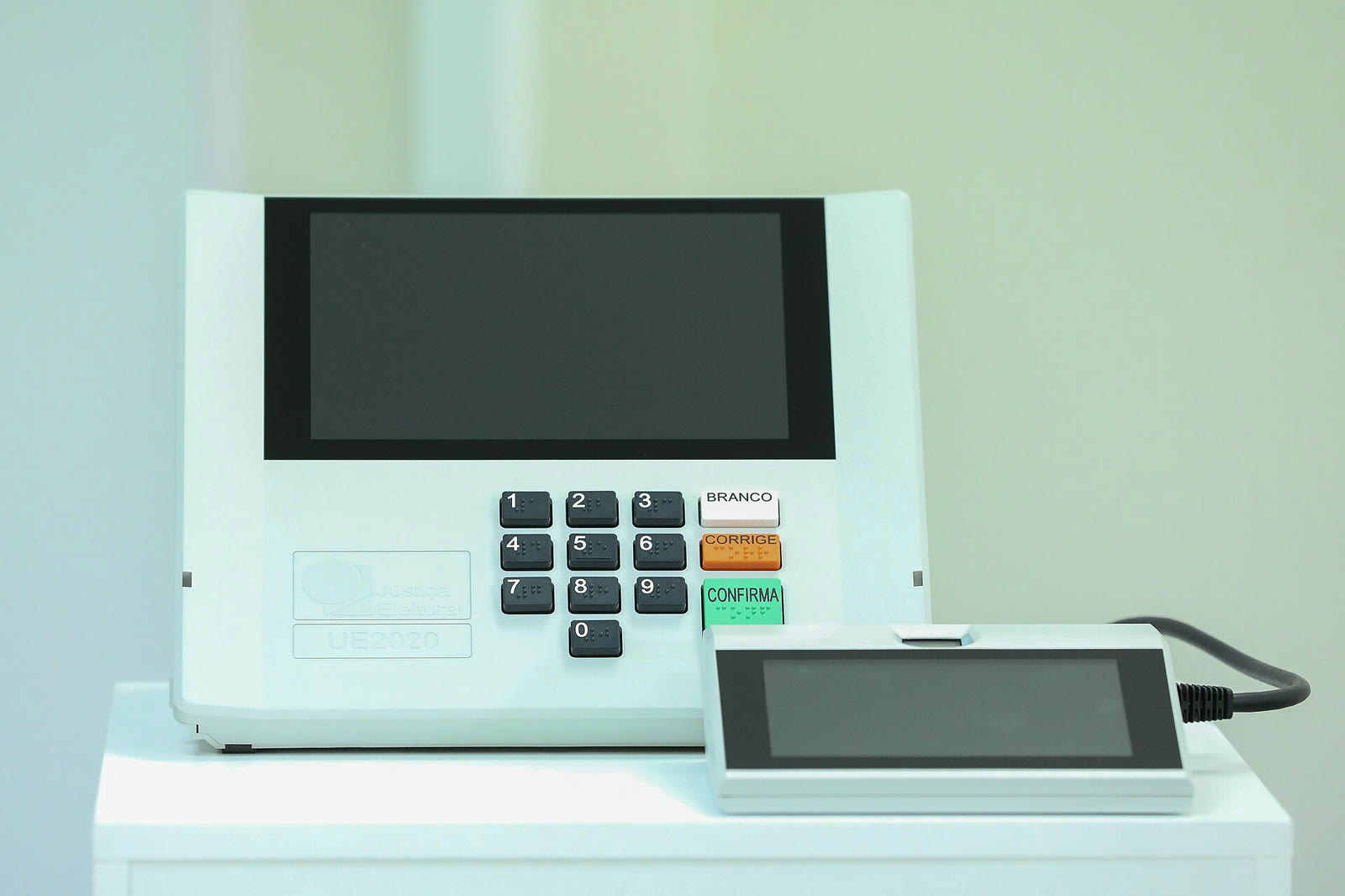
Technical problems affected voting machines
Authorities also announced that technical problems had been detected in electronic voting machines. According to the regional electoral court in the southern state of Santa Catarina, 99 incidents were recorded in the morning and 46 voting machines were replaced with backup devices.
Rodrigues also addressed concerns over the temporary suspension of consular services by the U.S. and Australian embassies on Friday for security reasons. The Federal Police director-general said the information they had did not indicate any concrete risk to the embassies or any identified plan targeting them.
Vote counting to begin at 5 p.m. Brasília time
Partial counts began at some polling stations abroad once voting ended in their respective time zones. Approximately 919,000 Brazilians are registered to vote outside the country.
Brazil’s Superior Electoral Court said vote counting would begin at 5 p.m. Brasília time. Results will be announced progressively as records from the voting machines are processed.
In addition to the president, voters are choosing governors, senators, members of the Chamber of Deputies, and state or district legislators.