Brazil’s presidential election is heading to a runoff on Oct. 25 after no candidate secured more than half of the valid votes in the first round. Senator Flavio Bolsonaro and incumbent Luiz Inacio Lula da Silva will face each other in the vote that will determine the country’s next head of state.
With 99.99 percent of the votes counted, Flavio Bolsonaro received 47.03 percent, while Lula secured 45.16 percent. The results put the gap between the two candidates at about 2.2 million votes.
First-round result surpasses polling forecasts
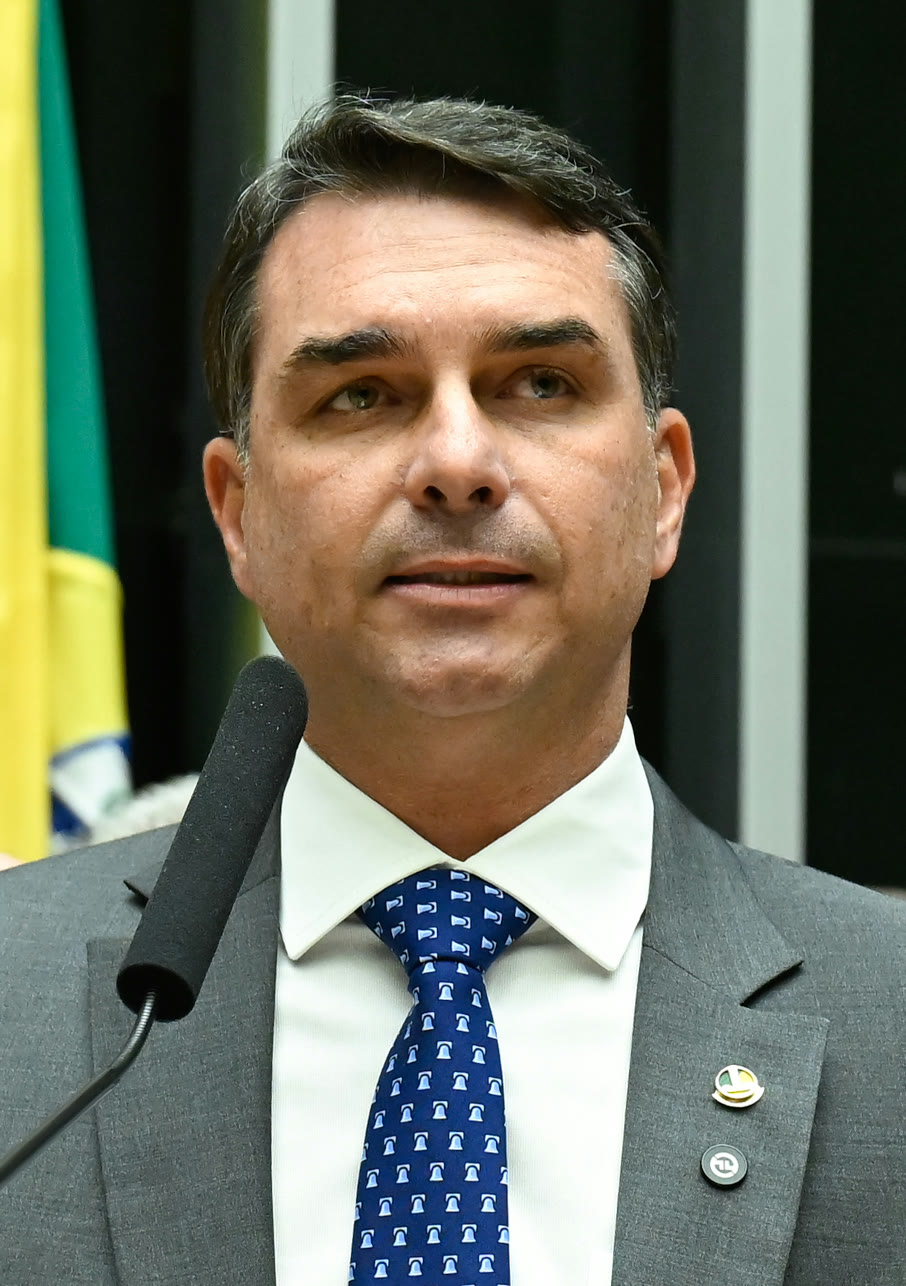
Flavio Bolsonaro expressed satisfaction with the result while addressing supporters in the capital, Brasilia. Bolsonaro described the outcome as “the end of an era” for Lula’s Workers’ Party and said Brazil had a real opportunity to choose a modern government.
The election-night result differed from most public opinion polls conducted before the campaign. Most surveys had projected that Lula would hold a narrow lead in the first round.
Flavio Bolsonaro’s political profile
Flavio Bolsonaro, 45, is a lawyer and federal senator. The candidate, the son of former President Jair Bolsonaro, rose to national prominence after his father backed his candidacy as a conservative under the Liberal Party banner.
Flavio Bolsonaro entered politics as a state lawmaker in Rio de Janeiro and had more limited national recognition until he received his father’s official backing. His campaign advocated tough security policies to combat crime, a market-oriented economy and conservative social values.
Investigations into Flavio Bolsonaro are continuing over allegations of corruption and money laundering reportedly linked to a biographical film about his father.
During the election campaign, Bolsonaro also backed the designation of Brazilian drug gangs as terrorist organizations by the United States. Security concerns were among the main issues on voters’ agenda before the election.
Lula seeks a fourth term
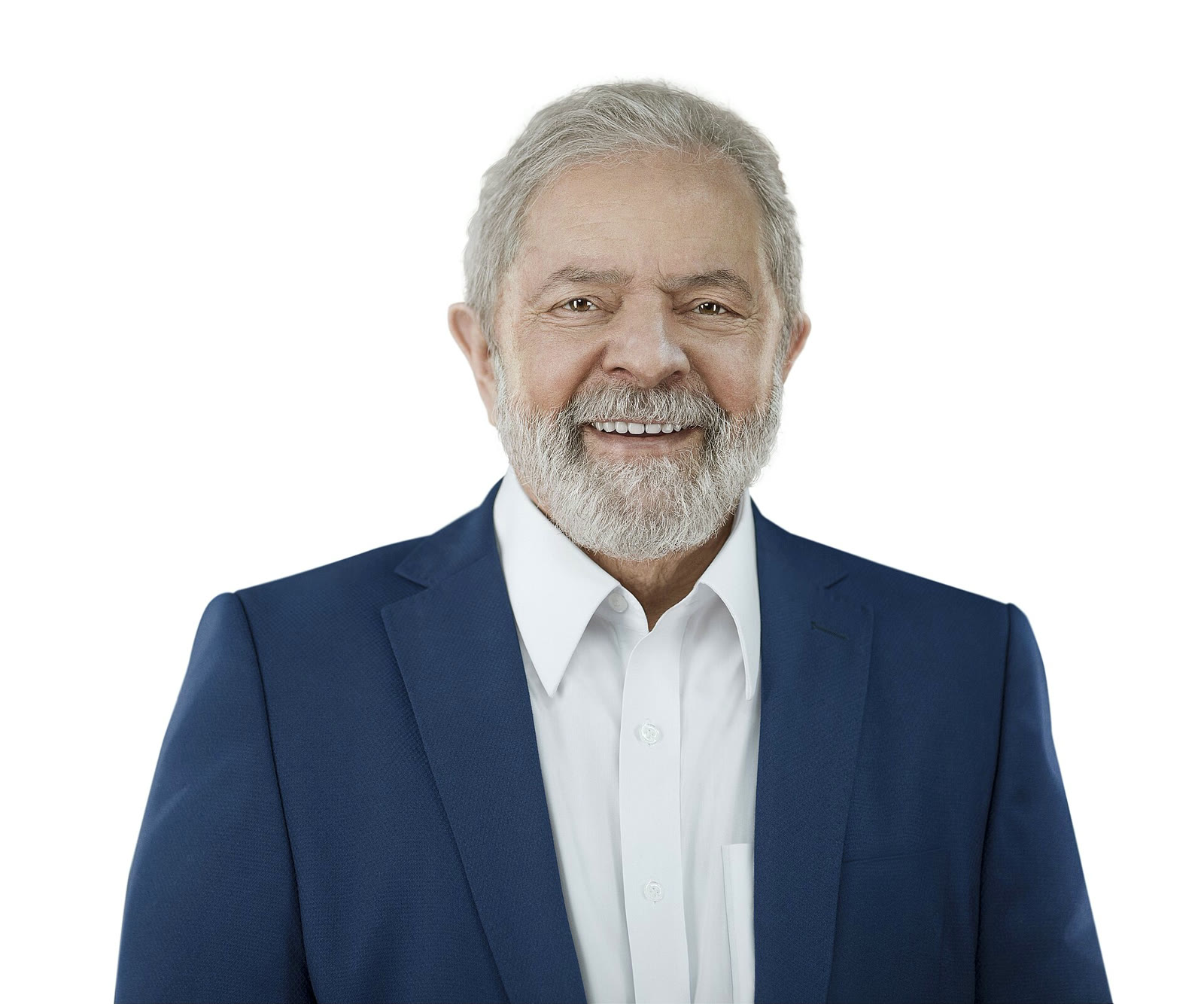
After serving two terms from 2003 to 2010, Lula, 80, returned to the presidency in 2023. In his campaign with Vice President Geraldo Alckmin, Lula highlighted social assistance programs, environmental protection, industrial investment and multilateral trade, particularly within BRICS.
In a speech on election night, Lula acknowledged that the result fell short of his expectations. Lula said the runoff campaign would last three weeks, announced that the new campaign would begin the next day and argued that Flavio Bolsonaro represented uncertainty for Brazil.
Opposition could gain strength in Congress
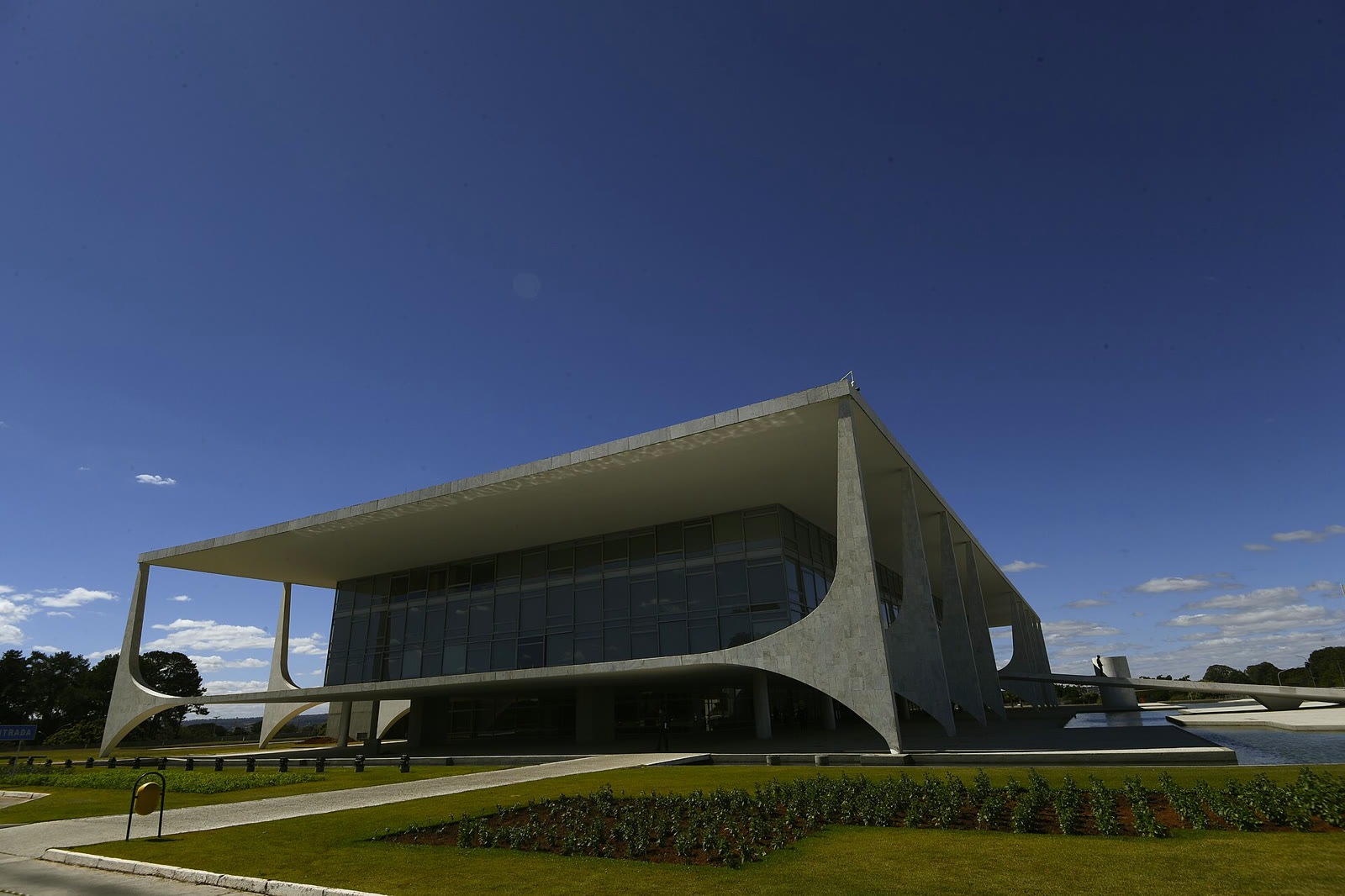
The Liberal Party’s strong performance in both chambers of Congress suggests that Lula could face a more fragmented and opposition-oriented legislature if he wins the runoff. The party’s number of seats will rise from 15 to 28 starting in 2027, changing the balance of power in Congress.
Although voting is mandatory in Brazil, turnout fell just below 79 percent of the country’s 158,745,502 registered voters.
A victory for the right could broaden the regional political trend after left-wing governments in Colombia, Chile, Honduras and Bolivia lost power to right-wing candidates over the past year.


























