Cuban Foreign Minister Bruno Rodriguez stated that negotiations with the United States have reached a deadlock, with no progress made. At a press conference on Tuesday, Rodriguez said, "Talks between the Cuban and US governments are making no progress."
Rodriguez noted that President Donald Trump has increased pressure on Cuba during his second term, stating, "The generally respectful attitude of US government delegations has been accompanied by constant threats, coercive measures, and insults to our independence."
US fuel blockade and military threats
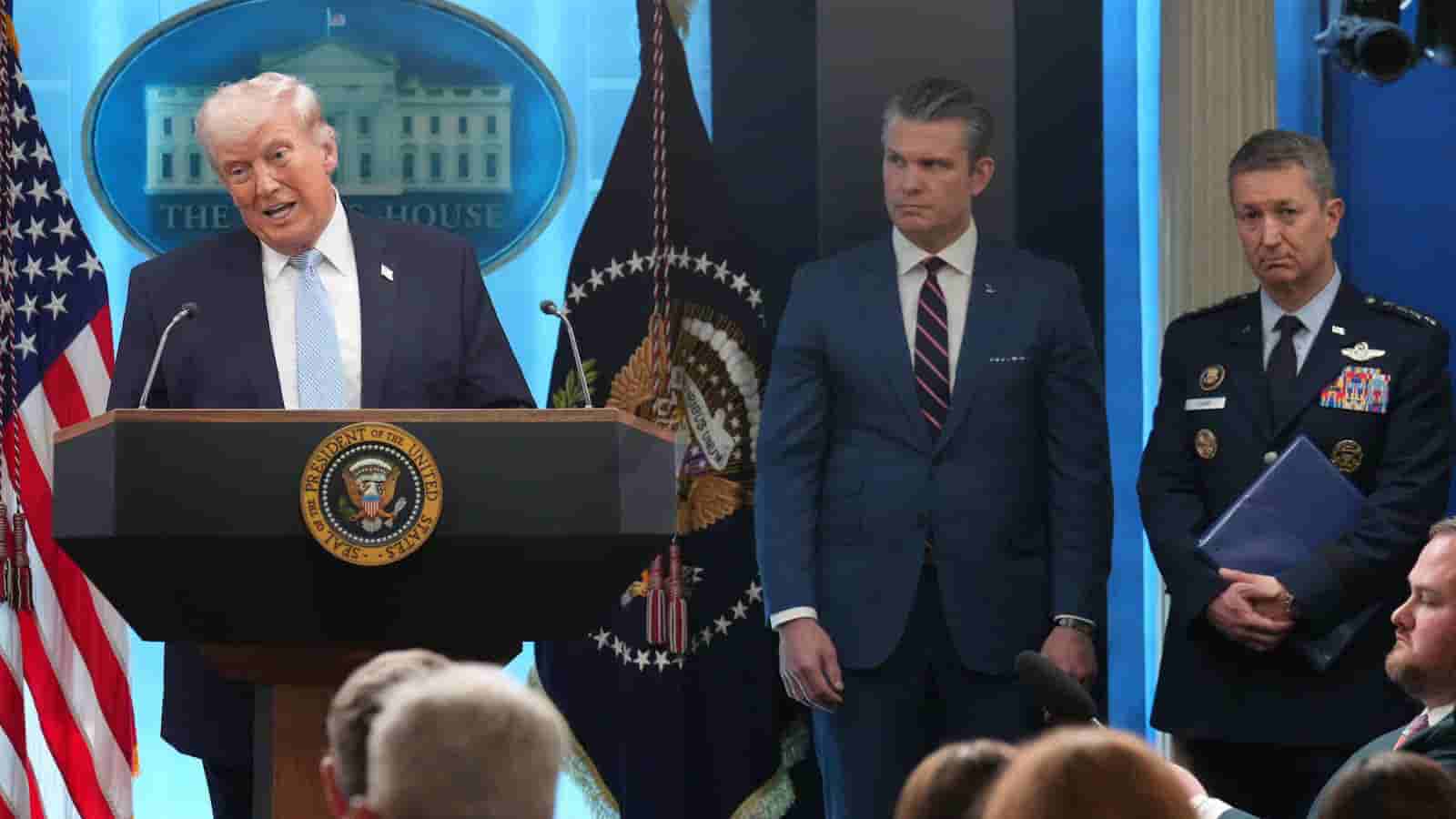
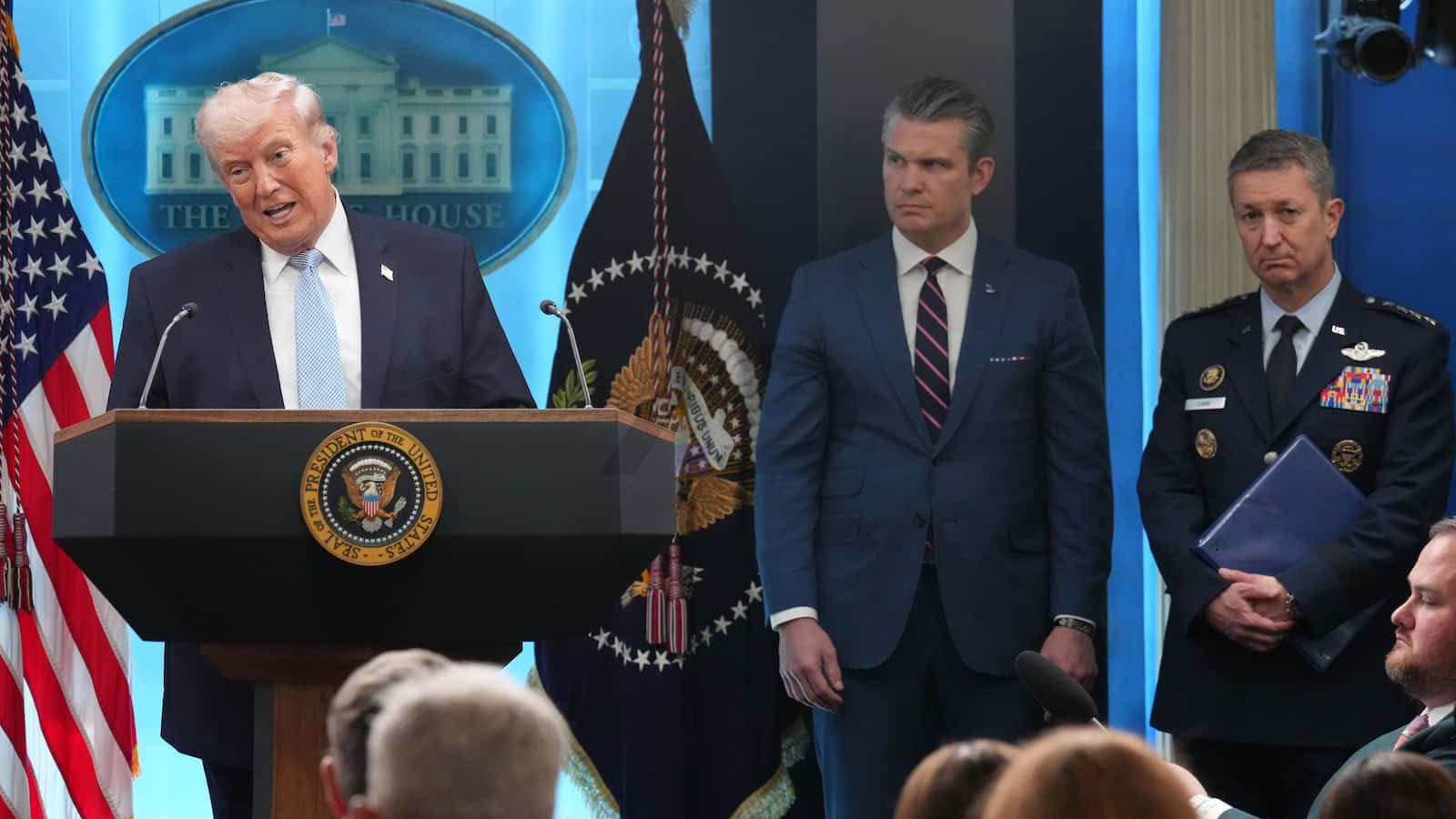
The US has imposed a comprehensive trade embargo on Cuba since the 1960s. The Trump administration effectively cut off Cuba's foreign oil supplies in January by threatening tariffs on countries providing fuel to the island. Trump also said he is considering a military operation against Cuba following the end of the US-Israel war against Iran.
In March, Cuban officials confirmed the start of negotiations with the Trump administration, but the details of the talks were not made public. Soon after, reports emerged alleging that Trump demanded the resignation of Cuban President Miguel Diaz-Canel. The Cuban government rejected this demand.
UN General Assembly session and US pressure
Rodriguez accused Washington of trying to block a UN General Assembly session planned for July 7, which is to discuss the US embargo on Cuba. The minister said, "The multifaceted attack by the US on Cuba is ongoing and intensifying," stressing the urgency of the session.
Rodriguez stated that the US State Department is using pressure and intimidation to influence UN members not to attend the session. The symbolic resolution, which is adopted annually by an overwhelming majority in the UN, calls for an end to the US embargo on Cuba.
Cuba's steps and reforms
After the Trump administration launched its pressure campaign, Cuba took steps to address human rights concerns. In April, it granted amnesty to 2,010 prisoners as a "humanitarian gesture," but critics noted that the release did not include political prisoners jailed for "crimes against authority."
Earlier this month, the Cuban Communist Party approved free-market reforms as part of an emergency economic package. These steps, which expand opportunities for private enterprise and foreign investment, ease state control of the economy. However, Cuba has declared that its political model is not open for debate and that it will resist any possible US invasion.
Energy crisis and humanitarian impact
Cuba's energy grid, which is heavily dependent on imports, has only received fuel from a Russian tanker in March since January. The fuel shortage has exacerbated power outages lasting up to 40 hours; public transport has come to a standstill, and hospitals are struggling to obtain electricity.
During the press conference, Rodriguez said that US sanctions are "causing deaths" in Cuba. UN High Commissioner for Human Rights Volker Türk also stated last week that the infant mortality rate has doubled to 9.9 per thousand, saying, "Children are dying because doctors cannot access basic medical supplies and medicines. This is unacceptable. The sanctions must be lifted immediately."
Increased US sanctions
Trump and Cuban-born US Secretary of State Marco Rubio continue to increase pressure. In early June, the US added President Diaz-Canel, his wife and stepson, as well as the son and grandson of former leader Raul Castro, to its sanctions list. Last month, the Trump administration issued an arrest warrant for Fidel Castro over his role in the downing of two civilian planes in 1996.
Rubio argued that the humanitarian crisis in Cuba is the fault of "communist leaders who have underinvested in infrastructure for decades" and said, "While the Cuban people struggle with fuel shortages and blackouts, the communist leaders have diverted energy resources to line their own pockets."
Cuba is now in its fifth month under the fuel blockade.