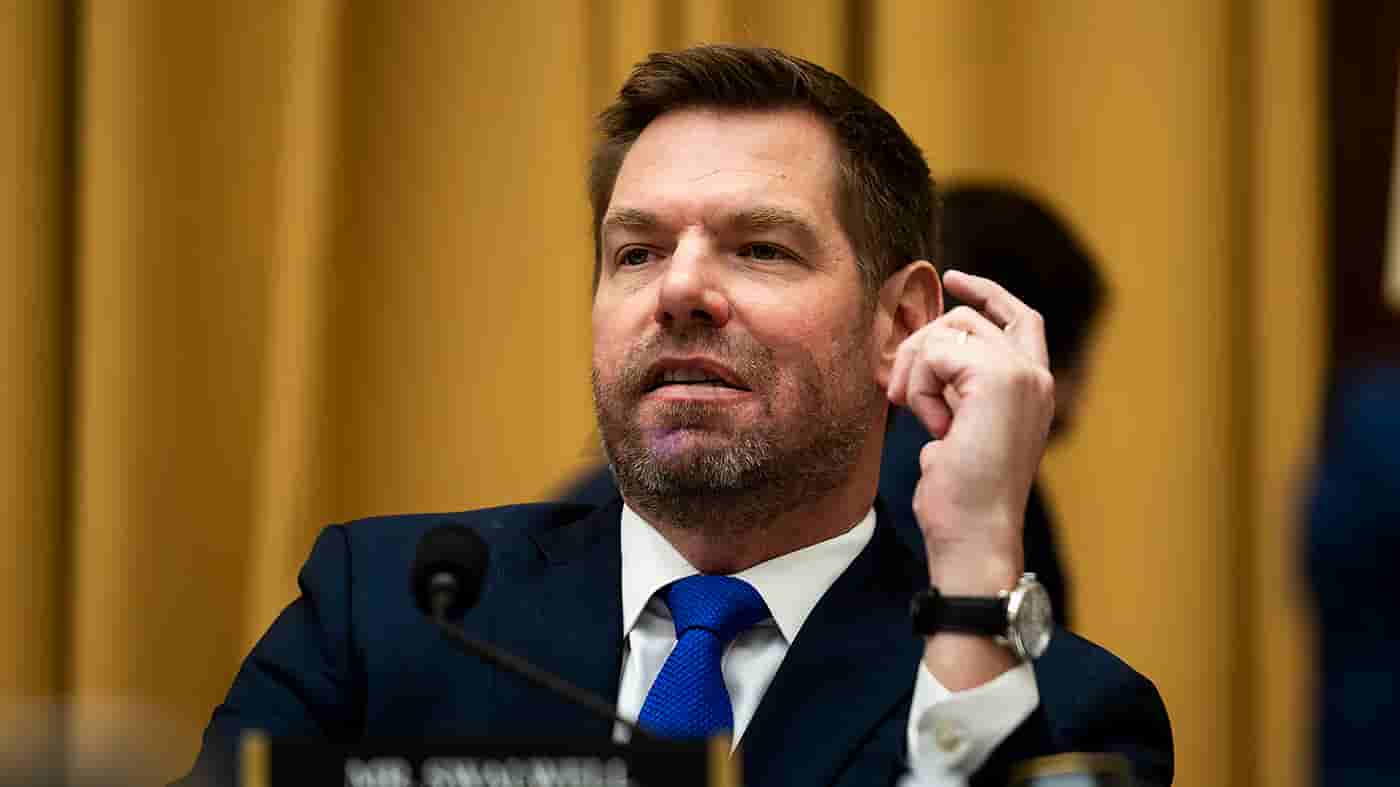
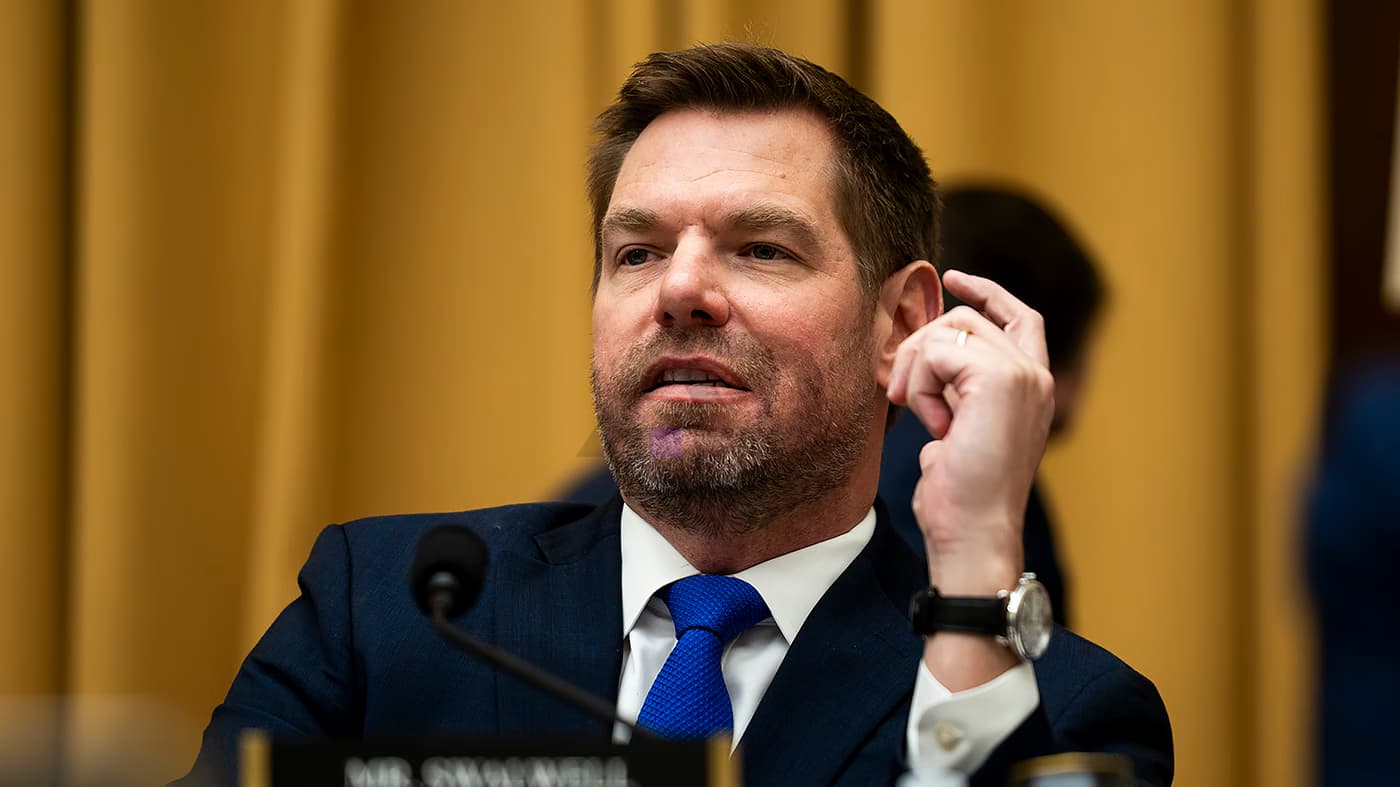
The US authority for intelligence surveillance targeting foreign subjects without a court order is set to expire at the end of Friday. Since neither the House of Representatives nor the Senate approved an extension, Section 702 of FISA faces expiration for the first time since 2008.
This regulation allows the collection of information about foreigners' communications abroad through US domestic communication systems. The authority can only target individuals located outside the US who are expected to possess foreign intelligence information.
The practice has long been controversial due to the possibility of indirectly collecting Americans' communications with these individuals. Critics focus on concerns that this could violate personal rights.
Extension Efforts in Congress Fail
The congressional process has stalled. At the end of April, the House approved a three-year extension for FISA 702, but a provision added by Republicans to ban the Federal Reserve from issuing digital currency was included in the bill. The Senate did not take up this package and instead passed a 45-day extension without the digital currency ban the next day; the House then approved this.
On Thursday, the House failed to pass a short-term extension of the program until July 2. Seeing that even majority support was lacking, House Republicans decided to proceed with a previously planned recess.
Senate Republicans also made two attempts that day to pass a short-term extension but were unsuccessful. Since the House had already adjourned, even if these efforts had succeeded, they would have been practically insufficient. The Senate paused work for the weekend and is expected to return on Monday.
New Bills and Political Objections
In the Senate, another bipartisan bill proposing a three-year extension with some changes is reportedly gaining support. However, Democratic senators are currently blocking this bill.
Democrats base their opposition on Bill Pulte, who was temporarily appointed to replace former Director of National Intelligence Tulsi Gabbard. They express concerns that Pulte's lack of intelligence experience could lead to misuse of this authority against political opponents.
Pulte, who served as head of the Federal Housing Finance Agency, is also reported to have conducted mortgage fraud investigations targeting some prominent Democrats. Meanwhile, former President Trump announced his nomination of Jay Clayton, the US Attorney for the Southern District of New York, as permanent Director of National Intelligence after Congress adjourned.
Although many key Democrats have indicated possible support for Clayton's nomination, this stance has not automatically removed their objections to the FISA extension. The Senate Intelligence Committee scheduled a hearing for Clayton on Wednesday, raising expectations for a faster confirmation process; Pulte is planned to begin his temporary role two days later.
Authority May Not Fully Expire
Whether the program will be completely disabled if its term expires remains uncertain. Republicans supporting the extension argue that losing the authority would shut down the program and jeopardize public safety.
However, the program currently operates under a FISA court certificate valid until March 2027. Some legal experts believe that even without a new congressional extension, surveillance without court orders targeting foreigners could continue for some time.
A legal and public policy center published an analysis arguing that certificates and the instructions given to companies based on them remain valid even if the underlying law expires. Senate Intelligence Committee Vice Chair Mark Warner also said the certificate could allow the process to continue; however, companies might stop sharing information due to litigation risks if Congress does not extend the authority.
Warner noted that companies might refuse to cooperate without provided indemnity and legal protections, creating a risky situation. Therefore, the issue involves not only legal authority but also the protection of companies.
It is unclear whether former President Trump could protect companies from lawsuits through an executive order. Warner described this possibility as uncertain, while House Speaker Mike Johnson stated that a short-term extension should be passed by Congress.