- BIST10011,722-2.89%
- USD49.45+0.05%
- EUR55.62+0.37%
- GOLD4,181.10+0.26%
- INTEREST37.00%-1.00
- BITCOIN81,523+0.03%
- October 17, 202610°
- BIST10011,722-2.89%
- USD49.45+0.05%
- EUR55.62+0.37%
- GOLD4,181.10+0.26%
- INTEREST37.00%-1.00
- BITCOIN81,523+0.03%
- October 17, 202610°
Iran-US Doha talks yield no progress toward lasting peace
Iran and the United States completed indirect technical talks in Doha on Wednesday. While the parties focused on issues resolved under an interim agreement, steps such as the use of $6 billion in frozen Iranian funds and the establishment of a communication channel were taken.


Iran and the United States held a round of indirect technical talks in Doha on Wednesday. No indication of progress toward lasting peace emerged from the talks.
Instead, the two countries focused on issues they said were resolved under a temporary agreement announced two weeks ago. The indirect talks followed mutual military attacks by the US and Iran during a dispute over shipping routes in the Strait of Hormuz.
Who attended the talks?
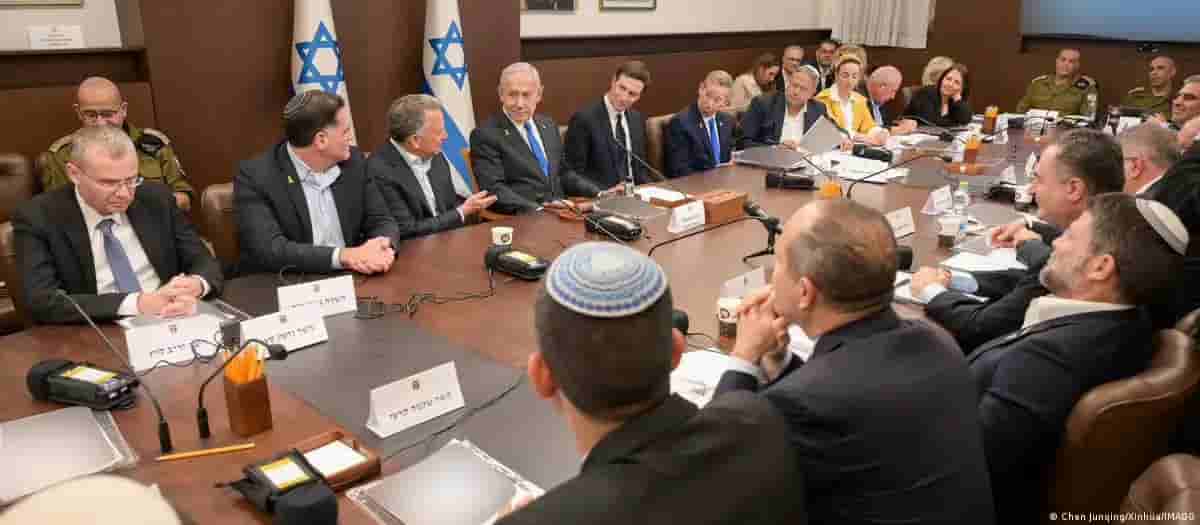
Qatar’s Emir Sheikh Tamim bin Hamad Al Thani met with US special representative Steve Witkoff and Trump’s son-in-law Jared Kushner. Qatar, together with Pakistan, reiterated its mediation efforts to end the war in the Middle East.
Iran's technical team was led by Deputy Foreign Minister Kazem Gharibabadi. Iran's senior negotiators, Foreign Minister Abbas Araghchi and Parliament Speaker Mohammad Bagher Ghalibaf, did not attend the talks.
What did the parties agree on?
While neither side commented on whether they resolved their differences during the talks, Gharibabadi told Iranian media that two meetings were held.
At the first meeting, the US's "violations of its commitments" were addressed, and the parties decided to establish a communication channel to resolve disputes.
At the second meeting, the release of $6 billion in frozen Iranian funds was discussed. Gharibabadi said, "In meetings with Qatari officials, including the Qatar Central Bank, a series of issues regarding the spending of part of the initial $6 billion were reviewed," and added, "It was agreed to purchase and provide to Iran the necessary goods in line with the needs conveyed by our country."
Strait of Hormuz and nuclear program
US Vice President JD Vance stated that the Strait of Hormuz was also discussed. According to informed sources, Iran’s nuclear program, the frozen funds, and the conflict in Lebanon were also among the topics on the table.
Shipping data indicates commercial traffic in the strait is recovering. According to Kpler data, commercial ship transits through the Strait of Hormuz increased by more than 50% in the week of June 22-28 compared to the previous week.
Parliament Speaker Ghalibaf denied reports that the International Atomic Energy Agency (IAEA) had access to Iranian nuclear facilities bombed during last year’s 12-day war. Speaking to Iranian state television IRIB, Ghalibaf said, "Currently, inspectors only have access to two sites: the Bushehr power plant and the Tehran reactor." Ghalibaf added that parliament had passed a law banning such access and that the Supreme National Security Council had also taken a relevant decision.
Ghalibaf's remarks followed IAEA Director General Rafael Grossi's statement that agency inspectors "must have access to and monitor" Iran's nuclear facilities under the Iran-US memorandum of understanding.
Next steps
Qatar announced that Iranian and US negotiators made "positive progress" in the technical talks in Doha. Qatari Foreign Ministry spokesperson Majed Al-Ansari said, "Qatari and Pakistani mediators held separate meetings with US and Iranian negotiators in Doha today. Positive progress was achieved on issues related to the Islamabad Memorandum of Understanding, building on the outcomes of the Lake Lucerne Summit," and added, "The parties agreed to schedule the next meeting as soon as possible after the completion of funeral ceremonies for the former Iranian Supreme Leader."
The Pakistani Foreign Ministry also issued the same statement on Thursday. Six-day funeral ceremonies for former Iranian Supreme Leader Ali Khamenei, following his killing in a US-Israel attack on the first day of the war, are expected to begin on Saturday in Iran and Iraq. Pakistani Prime Minister Shehbaz Sharif is expected to travel to Tehran on Friday to honor Khamenei.
Stay Updated with Ally Daily
Subscribe to be informed about special news, developments and announcements. We will keep you informed.
By signing up, you agree to our Privacy Policy