- BIST10011,430-2.49%
- USD49.45+0.05%
- EUR55.62+0.37%
- GOLD4,159.10-0.53%
- INTEREST37.00%-1.00
- BITCOIN81,967-0.06%
- October 19, 202617°
- BIST10011,430-2.49%
- USD49.45+0.05%
- EUR55.62+0.37%
- GOLD4,159.10-0.53%
- INTEREST37.00%-1.00
- BITCOIN81,967-0.06%
- October 19, 202617°
Rubio says Trump will review Russia sanctions for 60 days
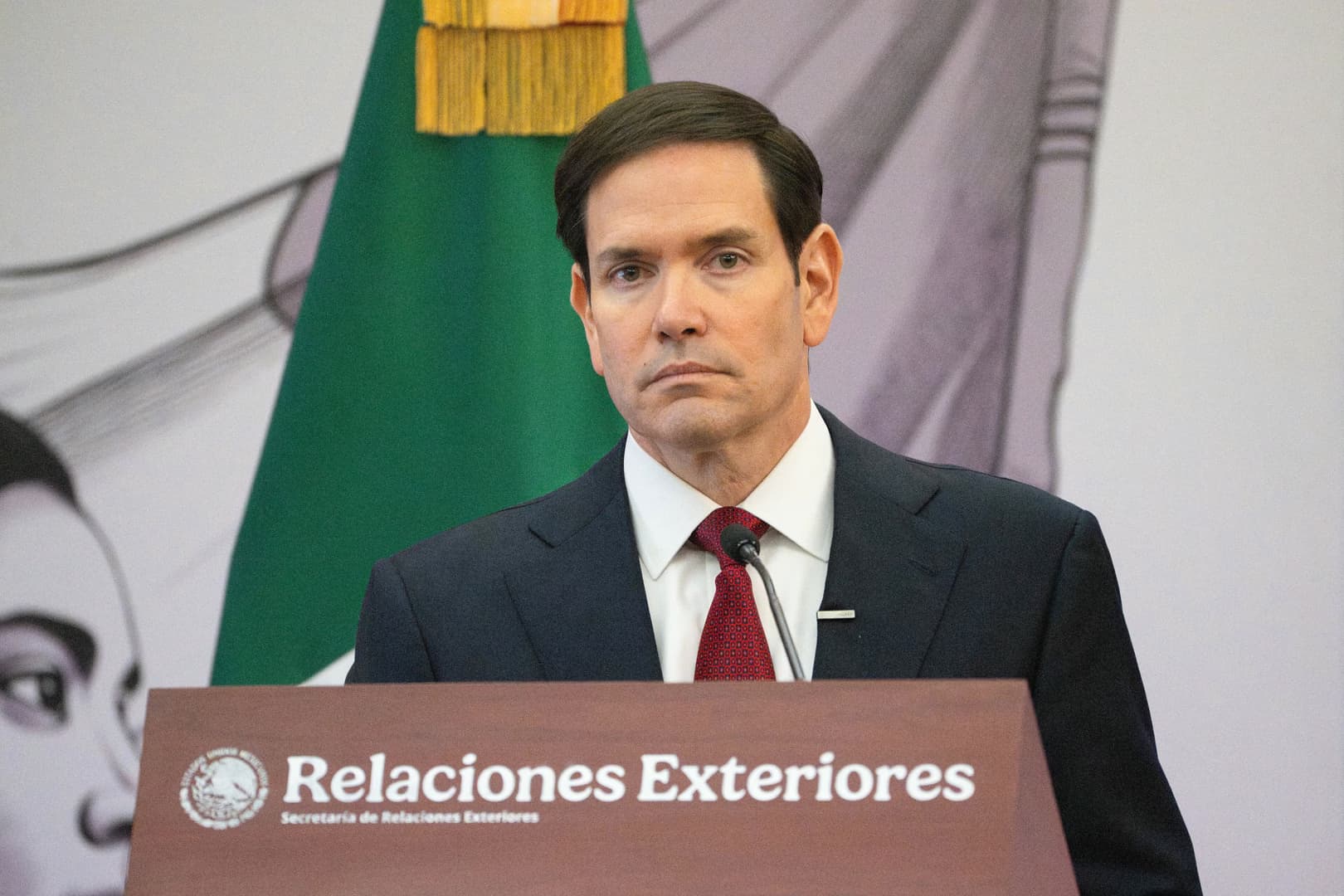
U.S. Secretary of State Marco Rubio said Donald Trump will take up to 60 days to assess the impact of Russia-related sanctions and tariffs on the global economy and the U.S. economy. Trump said a day earlier that he had not yet made a final decision on the measures he temporarily lifted, as energy prices rise and the war with Iran disrupts global oil supplies.


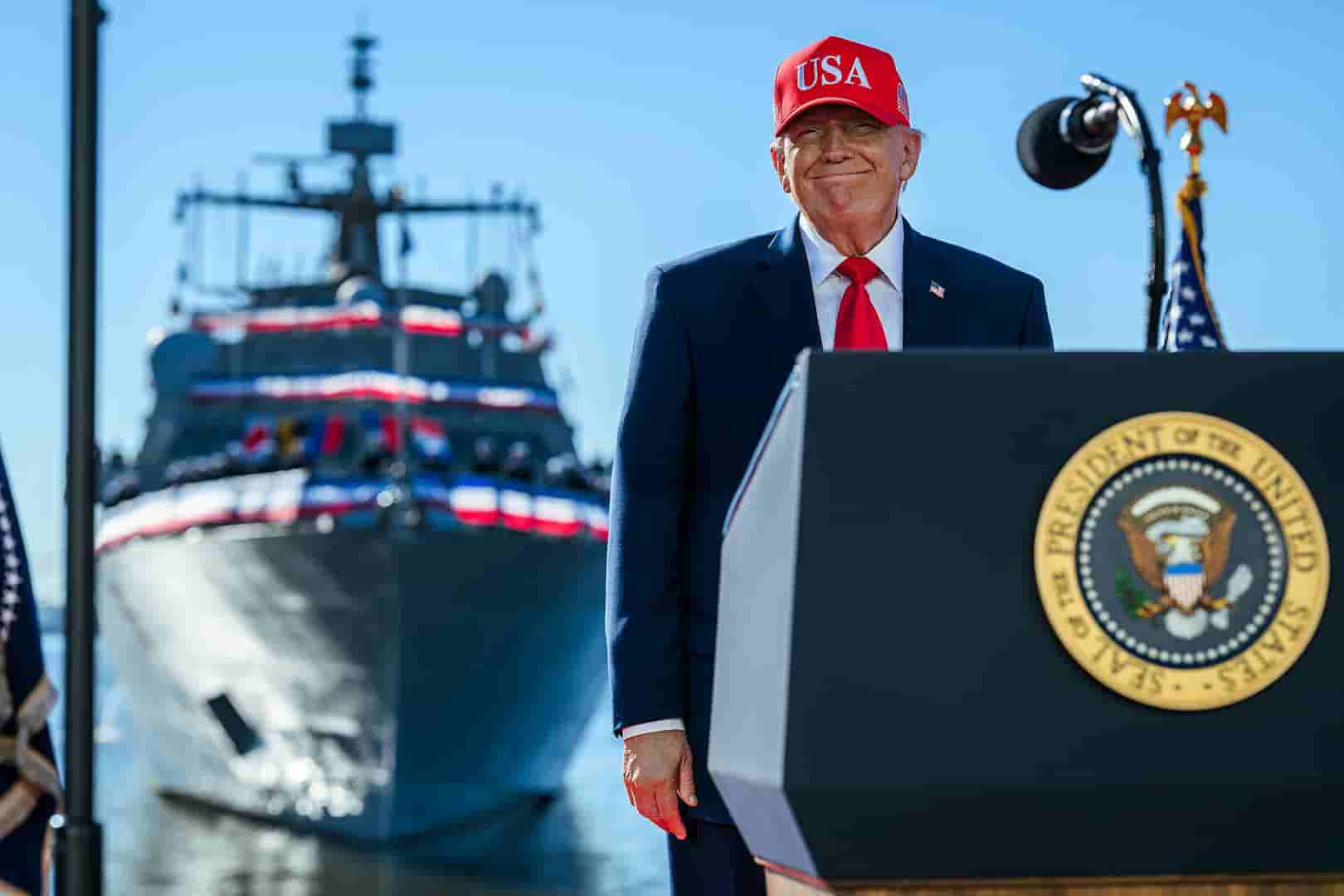
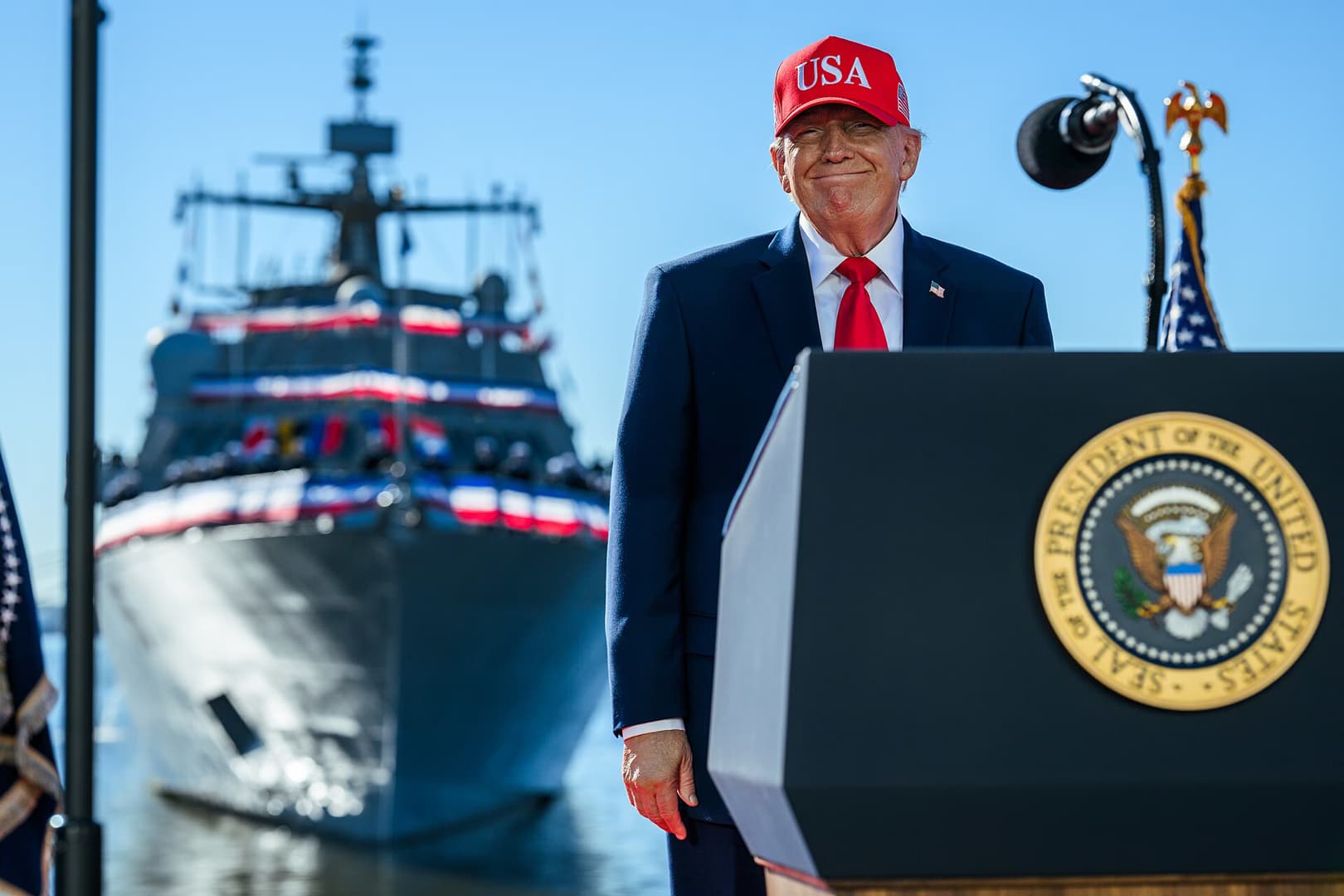
U.S. President Donald Trump said his decision to temporarily lift some sanctions and tariffs targeting Russia was not final, while Secretary of State Marco Rubio said up to 60 days would be used to assess the measures before a final decision.
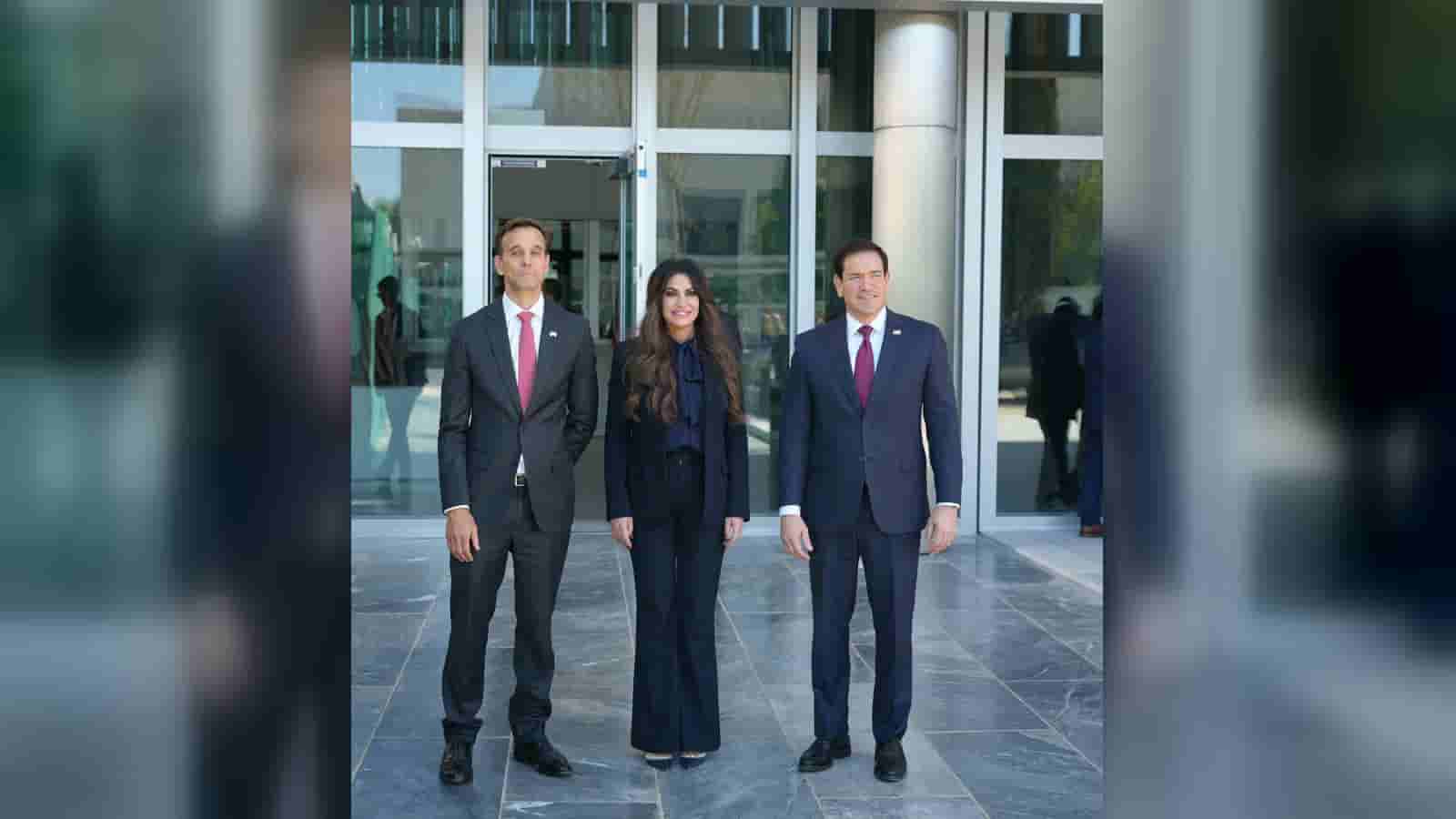
Rubio said the impact of the Russia-related measures on the global economy and the U.S. economy would be examined. He made the remarks before boarding a plane to Uzbekistan.
Trump has not yet finalized his decision
An executive order signed by Trump on Friday temporarily lifted some sanctions and tariffs linked to exports from Russia. The order did not clearly specify how long the suspension would remain in effect.
Trump told reporters at the Mar-a-Lago club in Palm Beach, Florida, that he had not yet announced his final decision on the measures he lifted a day earlier. “Most of you don’t yet know what my decision is, but we’ll figure it out, and you’ll find out,” he said.
The scope of the Graham Act
The measures were being planned under the Graham Act, which was passed last month at the initiative of members of Congress seeking to pressure Russia. The law provides for tariffs on Russian goods and sanctions against countries that purchase Russian oil and natural gas.
The measures were expected to take effect next week. Rubio said the 60-day review was intended to analyze the impact of the sanctions and tariffs on the global economy and the U.S. economy.
Reactions from India and Ukraine
The Graham Act’s inclusion of tariffs on countries that obtain energy from Russia is creating additional questions about the scope of its implementation. Rubio said that although India, a major U.S. partner, was diversifying its energy supply sources, it remained heavily dependent on Russian oil.
Ukrainian President Volodymyr Zelenskyy criticized Trump’s decision. Zelenskyy argued that the decision would embolden Russian President Vladimir Putin and prolong the war.
South Carolina Republican Senator Darline Graham also said she disagreed with Trump’s decision. Graham said she planned to discuss the issue with Trump during his campaign visit next week and said, “I would have preferred to see the pressure on Russia continue. Because I don’t trust Putin or Russia.”
U.S.-Russia diesel agreement
Rubio also defended a separate U.S.-Russia agreement aimed at increasing diesel supplies on global markets and lowering rising fuel prices. Trump said Russia would initially send more than 300,000 metric tons of diesel to the United States under the agreement, with shipments continuing in November and afterward.
Rubio said the diesel would be sold one way or another and that the real difference was how much of that supply the United States would purchase. He said the sanctions waiver and the diesel agreement showed how difficult it was to manage the problems that conflicts in the Middle East and Ukraine had created for global energy supplies.
Rubio also said conflicts around the world were beginning to affect one another. Trump’s sanctions decision came as pressure on energy prices continued and the economic effects were being assessed ahead of the midterm elections in November.
Stay Updated with Ally Daily
Subscribe to be informed about special news, developments and announcements. We will keep you informed.
By signing up, you agree to our Privacy Policy