The Left Party, which came first in Berlin's state election with 25.3 percent of the vote, is continuing its efforts to form a government but has faced opposition from Josef Schuster, president of the Central Council of Jews in Germany. Schuster called on the other parties not to begin coalition talks with the Left Party.
Schuster said he was concerned about the Left Party's solidarity with pro-Palestinian demonstrators protesting the Israeli government. He accused the party of using antisemitic expressions, while also saying that Left Party officials had repeatedly and unequivocally rejected those accusations.
Schuster claimed that the Left Party had crossed the line several times with antisemitic expressions during the election campaign. He argued that joining a coalition led by the party would encourage the continued normalization of hatred against Jews.
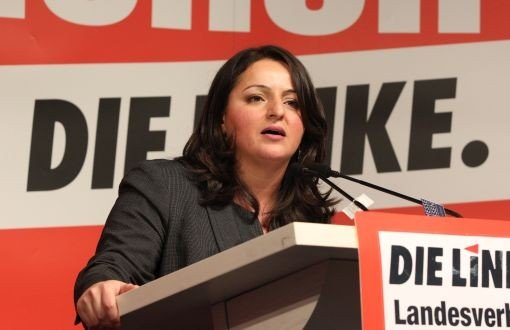
The Left Party rejects the accusations
Elif Eralp, the Left Party's candidate for state premier in Berlin, supported the Palestinian community in Berlin during the campaign. Eralp strongly condemned what she called the war crimes of Israeli Prime Minister Benjamin Netanyahu's government in Gaza.
Eralp said a state government led by the Left Party would end repressive police practices targeting peaceful pro-Palestinian protests in the capital. She said party leaders had distanced themselves from several isolated incidents linked to the accusations and stated that the Left Party opposed all forms of racism.
Eralp said she had taken part throughout her career in projects combating antisemitism and stated during a television debate that they supported protecting Jewish life. Eralp also said that the lives of Muslims and Palestinians needed to be protected.
Election results shape the search for a coalition
The Left Party moved toward a historic first-place finish in Berlin's state election. Eralp said the results could pave the way for a person from an immigrant background to become head of government in the capital for the first time.
In the latest projection, the Left Party came first with 25.3 percent of the vote, more than doubling its 12.2 percent share in the 2023 election. Chancellor Friedrich Merz's conservative CDU received 19 percent.
The anti-immigration Alternative for Germany received 16.3 percent, the Greens 14.4 percent and the Social Democratic Party 12.1 percent.
Despite coming first, the Left Party did not reach the majority needed to form a government alone. After campaigning for changes to CDU policies, the party must find at least two coalition partners to form a government.
The current picture makes a three-way coalition between the Left Party, the Social Democratic Party and the Greens the strongest option. However, the distribution of seats has not been finalized because the preliminary official results have not been announced.
Whether the Sahra Wagenknecht Alliance can clear the 5 percent electoral threshold could also change the distribution of seats in the Berlin House of Representatives. The alliance received 4.8 percent in the latest projection.
If the Left Party, the Social Democratic Party and the Greens fail to reach an agreement, the CDU, which came second, could try to form a coalition with the other two parties. If the Wagenknecht Alliance fails to enter parliament, these three parties could have enough seats to form a government.























