- BIST10010,656-4.04%
- USD50.63+0.05%
- EUR55.32-0.44%
- GOLD3,487.70-2.88%
- INTEREST36.00%-1.00
- BITCOIN57,879-3.12%
- November 25, 20265°
- BIST10010,656-4.04%
- USD50.63+0.05%
- EUR55.32-0.44%
- GOLD3,487.70-2.88%
- INTEREST36.00%-1.00
- BITCOIN57,879-3.12%
- November 25, 20265°
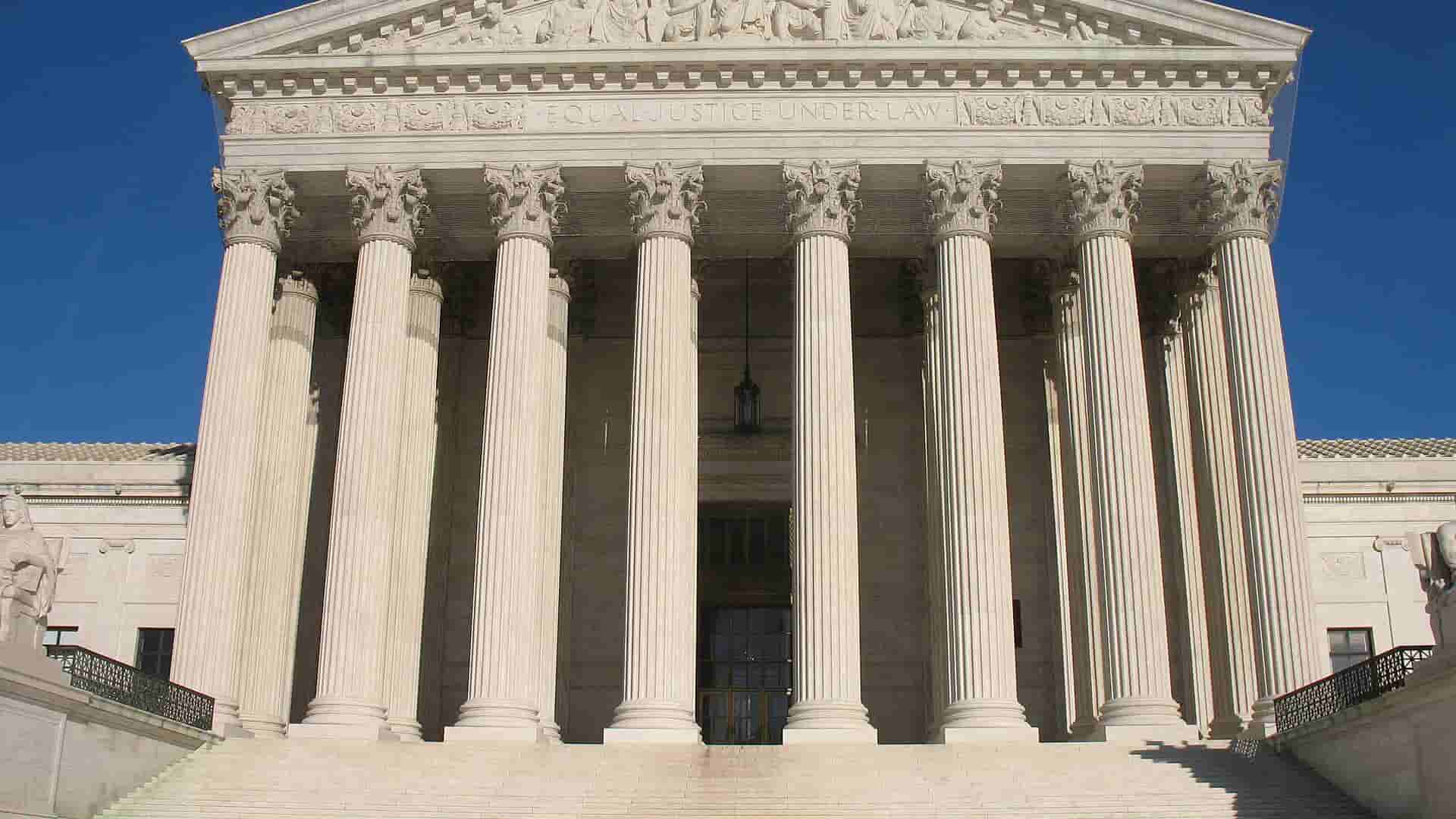
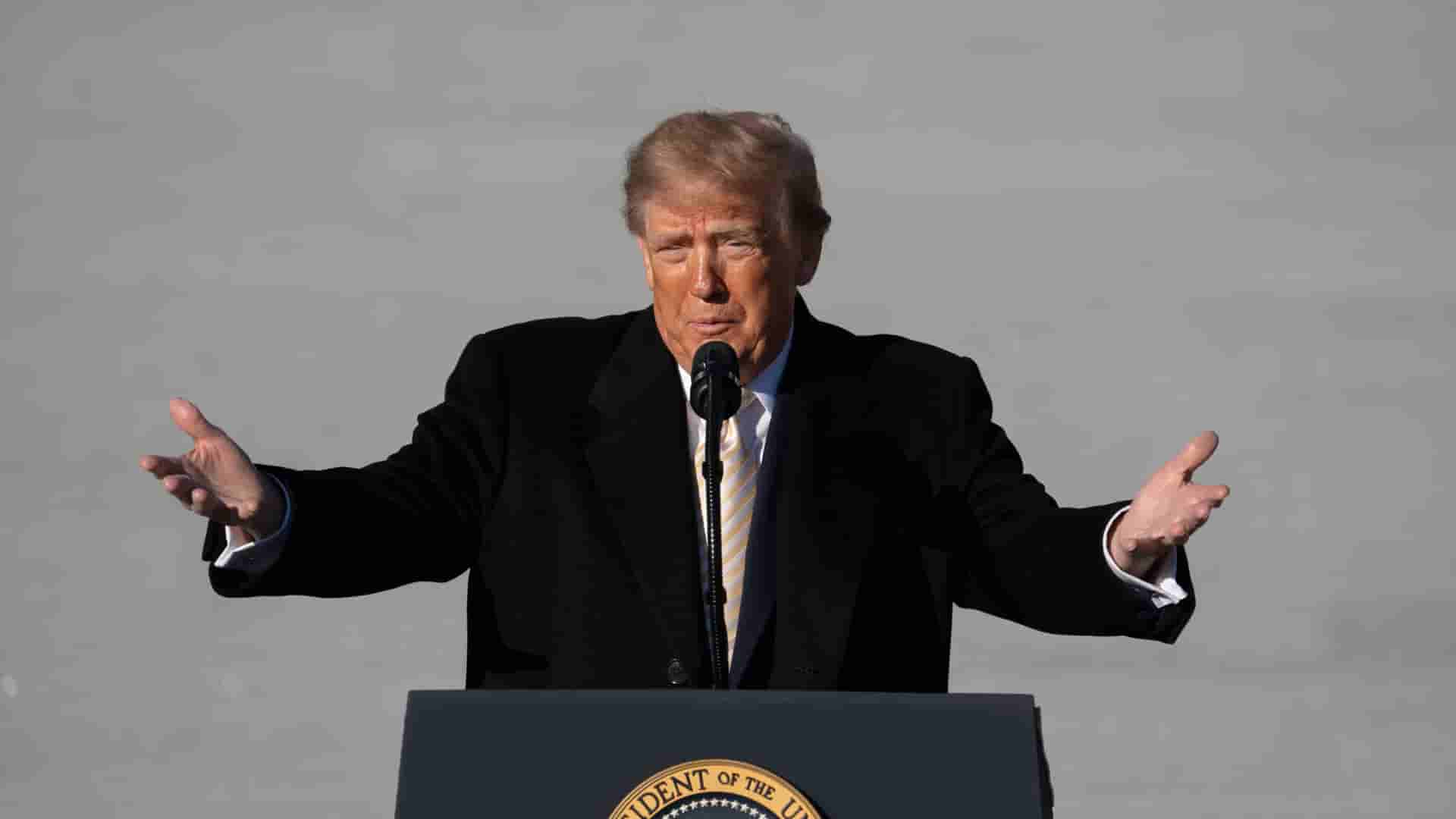
Supreme Court to decide on Trump's asylum ban at the southern border
The Supreme Court has agreed to consider President Trump's executive order suspending asylum access at the southern border, a pillar of his immigration crackdown. Lower courts ruled the ban illegal; a decision is expected by the end of June.
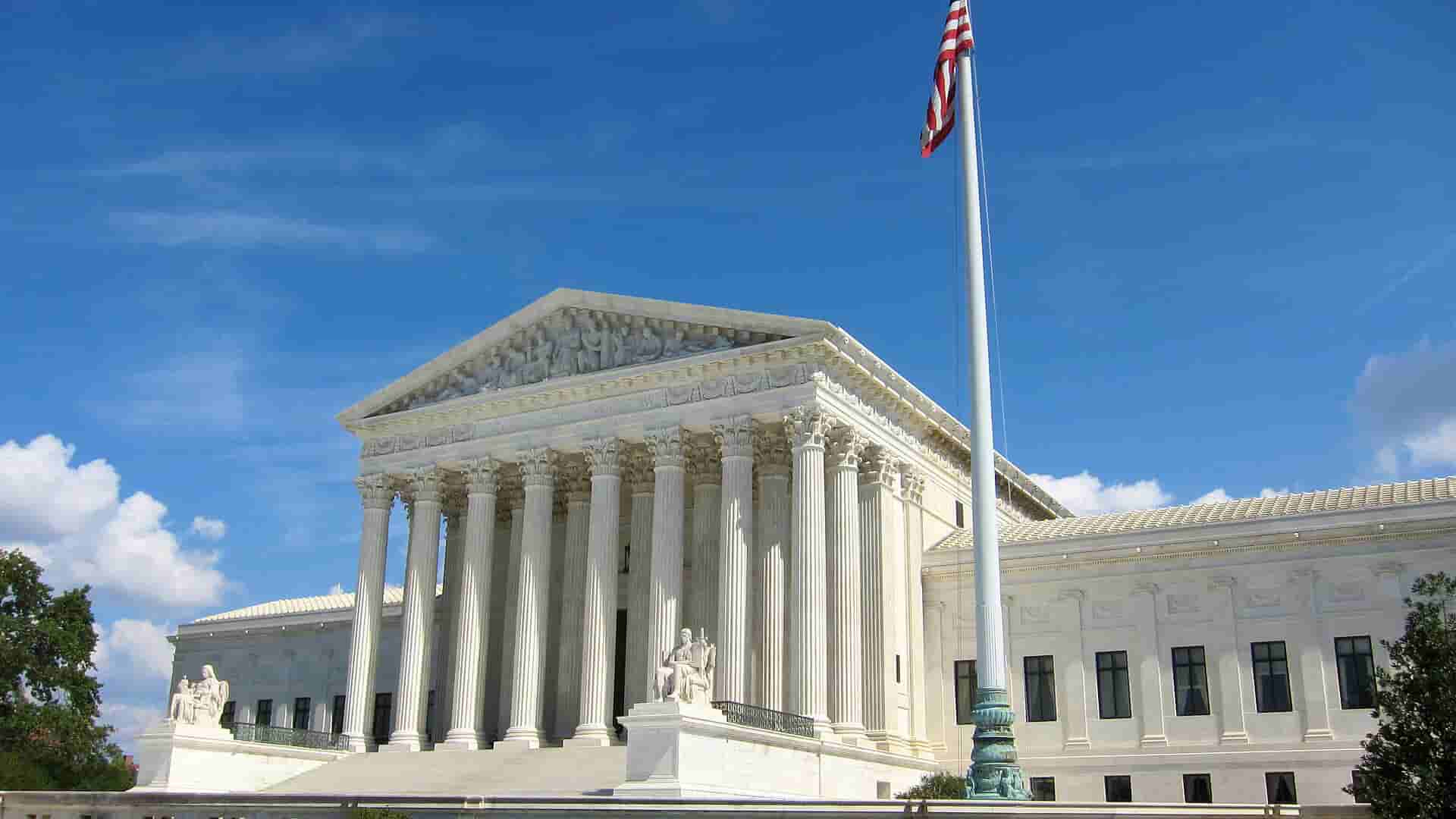
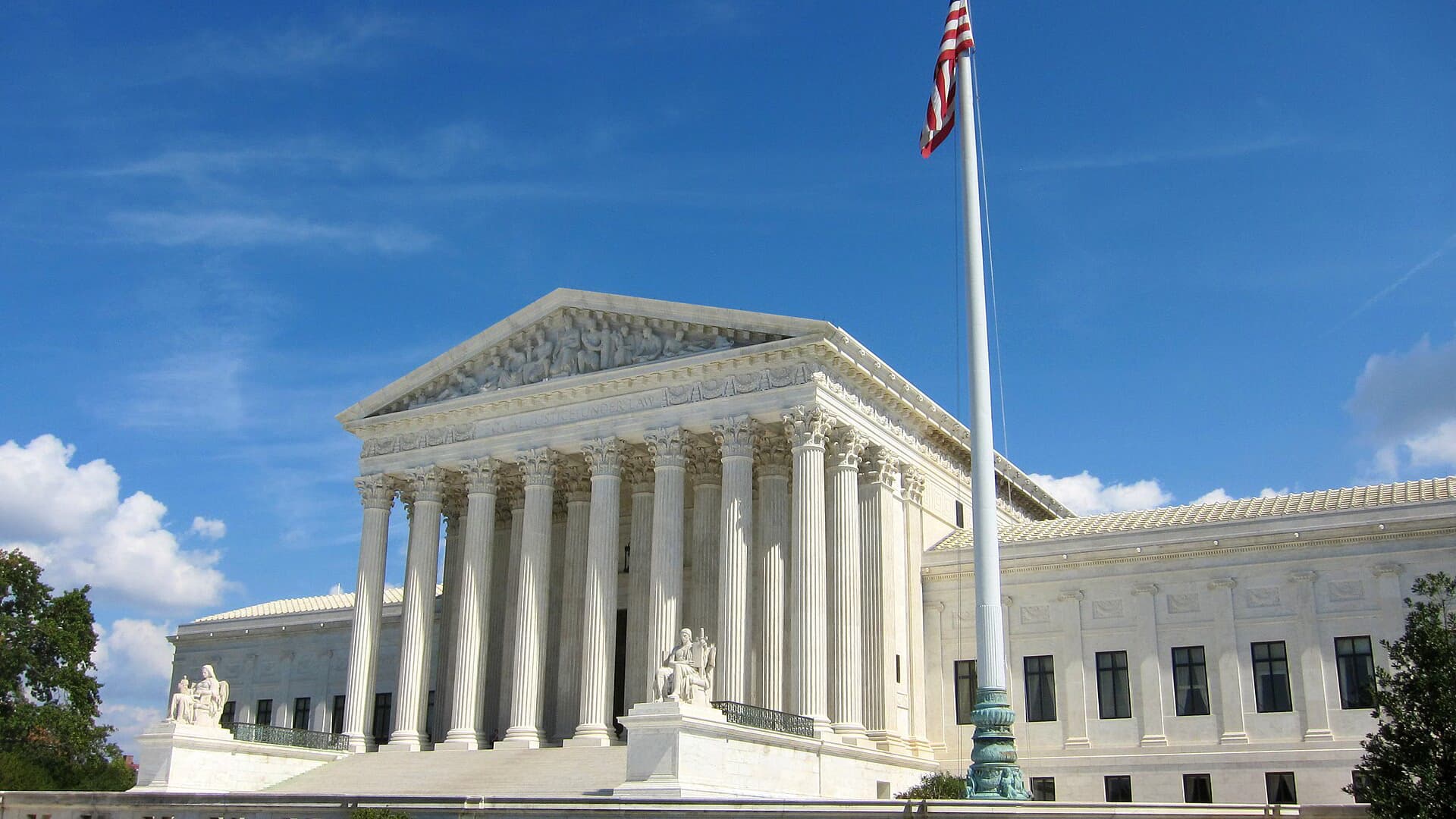
The U.S. Supreme Court has agreed to consider President Donald Trump's ban on asylum at the southern border, a pillar of the administration's far-reaching immigration crackdown. The justices agreed on Nov. 13 to take up the case.
The Trump administration is asking the court to overturn lower court rulings that found it was illegal to block asylum applications under an executive order that described the situation at the southern border as an "invasion." The ban has remained in place during the litigation.
"Border encounters have fallen by 93 percent"
Federal law allows people to seek asylum if they fear persecution in their home countries, regardless of how they arrived in the U.S., but also lets the executive branch decide who is granted it. The administration argues it can categorically deny asylum to migrants covered by the order and should not have to accept applications that are destined to be rejected.
"Since the proclamation took effect, border encounters have fallen by 93 percent, dropping to the lowest levels since the 1960s," Solicitor General D. John Sauer wrote. Homeland Security Department general counsel James Percival called the order the "single most important factor in the President's success at the border."

Rights groups: "Unlawful attempt"
The American Civil Liberties Union and immigrant rights groups argue that border crossings were already falling before Trump took office, and that the order is an unlawful attempt to "invent by fiat a new removal system" that guts protections for people fleeing danger. Asylum decisions must be made case by case, and the law does not allow the government to stop people from even applying, they say.
The court is expected to hear arguments in the spring and rule by the end of June. It is the third major immigration case on the docket this term: the justices will also decide whether people can be swiftly deported to countries other than their own and whether immigrants can be held indefinitely during deportation proceedings.
Stay Updated with Ally Daily
Subscribe to be informed about special news, developments and announcements. We will keep you informed.
By signing up, you agree to our Privacy Policy