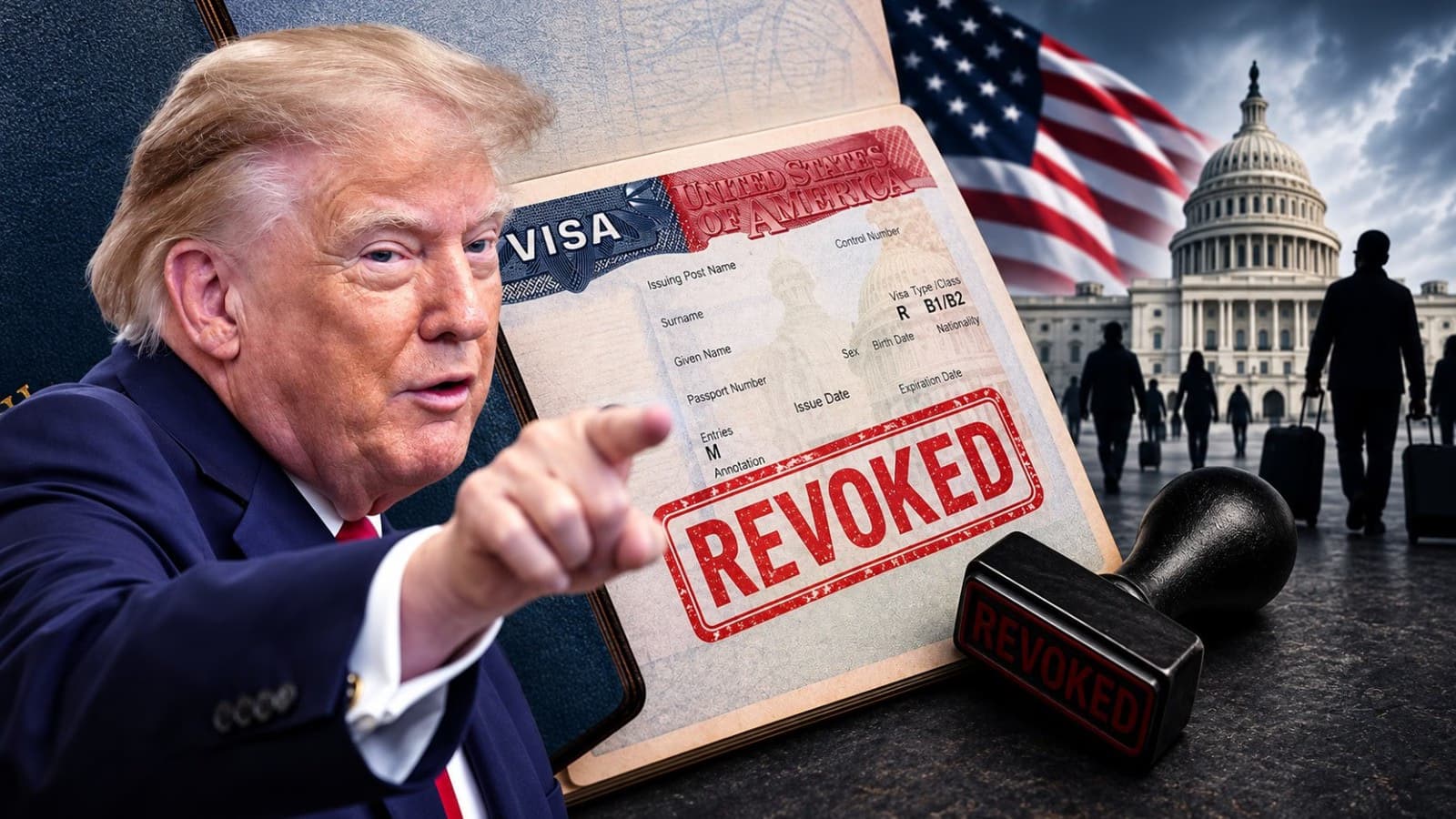
US Citizenship and Immigration Services (USCIS) has gained the authority to refer asylum applications directly to immigration courts without interviews under a new interim rule that took effect on July 27. This change allows USCIS staff to forward cases to an immigration judge without interviewing the applicants.
Edlow: 'System was being abused'
USCIS Director Joseph Edlow said in a statement, "The asylum system has long been abused to prolong the process and obtain work permits, rather than to protect those who genuinely need protection." Edlow noted that the new rule would direct resources to applications requiring timely review and prevent the system from being used as an escape route.
To affect 444,000 applications
The US Department of Homeland Security announced that the rule, which took effect immediately, is expected to affect 444,724 cases out of the approximately 1.4 million backlogged asylum applications. The department noted that the change would allow "aliens posing a threat to public or national security to be more quickly identified and placed into deportation proceedings."
Criticism from human rights organizations
Robin Barnard, vice president for refugee and migrant rights at Human Rights First, harshly criticized the new rule. Barnard said, "They are eliminating the right to a fair trial to clear the backlog. Their aim is to mass reject and mass deport people, rather than give them a chance to be heard in court."
Experts stress that the new rule severely diminishes the chances of obtaining asylum, especially when combined with practices like pressure on immigration courts for rapid denials and the referral of applicants to third countries. USCIS is expected to bypass the interview and send cases directly to immigration courts under the Department of Justice, which are under pressure to expedite deportation orders.
Temporary Protected Status being narrowed
This step is seen as part of the Trump administration's mass deportation policies. Previously, the Temporary Protected Status (TPS) program, which covered hundreds of thousands of people from Haiti, Venezuela, and other countries, had also been terminated. Many immigrants who lost their status had applied for asylum.