- BIST10011,117-0.92%
- USD49.65+0.05%
- EUR55.60-0.19%
- GOLD4,007.90-1.29%
- INTEREST36.00%-1.00
- BITCOIN80,423-0.81%
- October 24, 202617°
- BIST10011,117-0.92%
- USD49.65+0.05%
- EUR55.60-0.19%
- GOLD4,007.90-1.29%
- INTEREST36.00%-1.00
- BITCOIN80,423-0.81%
- October 24, 202617°
Trump says he will speak to Musk if Starshield issue persists
U.S. President Donald Trump said he would speak with Elon Musk if the Ukrainian army’s access problem with SpaceX’s Starshield internet service was not resolved. Trump also spoke about the truce initiative in Oleshky, the Strait of Hormuz, Iran and Michigan Democratic Senate candidate Abdul El-Sayed.


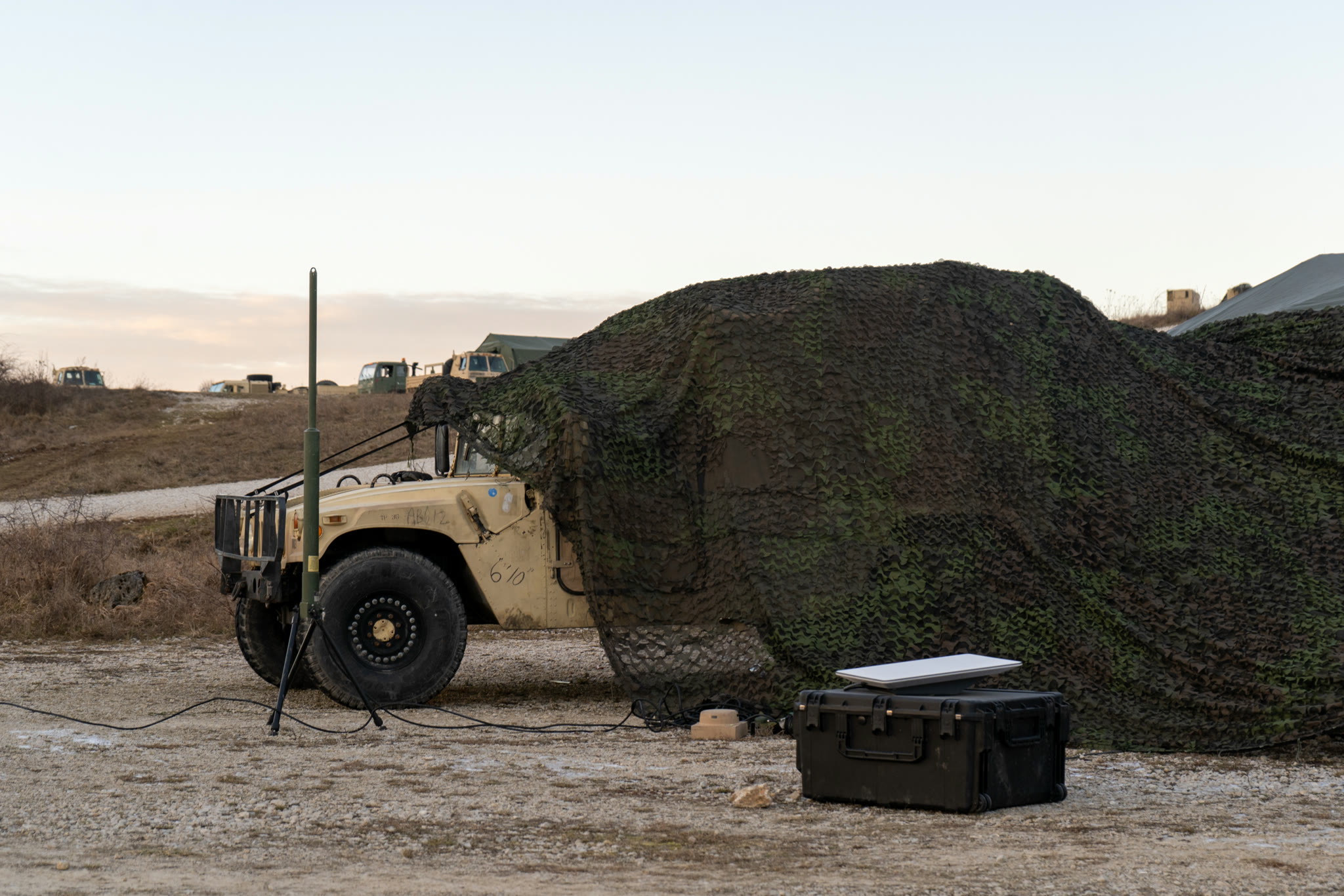
Donald Trump said he would speak with Elon Musk if the problem affecting the Ukrainian army’s access to SpaceX’s Starshield satellite internet service continued. The U.S. President said he had heard that the problem was resolved but was not certain of it.
Trump answered reporters’ questions as he left the White House. Saying he had not yet spoken with Musk about the issue, Trump said, "I haven’t spoken with Elon Musk. Maybe I’ll have to, but I haven’t. If the problem isn’t resolved, I’ll speak with him. I heard the problem was resolved."
Defending Musk against the possibility of taking a wrong step over providing internet access to Ukraine through Starshield, Trump said SpaceX’s chief executive was a fair person. Trump also said that "geniuses like Musk need to be protected."
Asked who ordered the restrictions on Starlink access to Ukraine, Trump replied that he had no idea. He said that even if he knew, he would not disclose it.
Trump describes the truce initiative in Oleshky
Trump also referred to his wife Melania Trump’s mediating role in securing a special truce confined to the Ukrainian city of Oleshky. He said Melania Trump’s priority was to save the children.
Trump said that, through Melania Trump’s initiative, contact was established with both sides and that the parties wanted the initiative.
Statements on the Strait of Hormuz and Iran
Arguing that Iran was facing economic difficulties, Trump claimed that the United States controlled the Strait of Hormuz and the oil leaving Iran. He claimed that more oil was being exported through the Strait than before the war.
Trump said, "The Strait of Hormuz is completely ours, and we will keep it that way." Arguing that Iran had high inflation, Trump said the United States had "done a very good job" regarding Iran and hoped to receive something in return.
Trump said they could have ended the war with Iran in a much shorter time and claimed that the United States was producing as much oil as it wanted. Trump also said they had closed the Strait of Hormuz to Iran but not to other countries.
Trump’s accusations against Michigan Democratic candidate
Responding to questions about the midterm elections to be held on November 3, Trump targeted Abdul El-Sayed, the Democratic Senate candidate in Michigan. Accusing El-Sayed of being "a violent jihadist," Trump claimed that he had no place in the U.S. administration.
Referring to El-Sayed’s Muslim identity, Trump said the candidate’s middle name was Mohammed. Trump called El-Sayed a "fraud" and claimed that he was a member of the Muslim Brotherhood and might still have ties to the organization.
Abdul El-Sayed won the August 5 primary held to select the Democratic Senate candidate in Michigan. El-Sayed secured the Democratic nomination for the Michigan Senate by defeating Haley Stevens, a member of the U.S. House of Representatives.
Veto threat after midterm elections
Trump said he believed Republicans would win the midterm elections. Saying he would use his veto power if a political deadlock emerged after the election, Trump argued that this could lead to an agreement with Democrats.
Trump said he would veto everything if Republicans failed to win, adding that Democrats would then come to negotiate and a compromise could be reached.
Source: Anadolu Ajansı
Have a story, event or announcement of your own?Send us your news on WhatsApp
Spotted an error in this story?Report it on WhatsApp
Share on all social platforms
Sponsored Ads
Featured Listings
Loading featured properties...
Stay Updated with Ally Daily
Subscribe to be informed about special news, developments and announcements. We will keep you informed.
By signing up, you agree to our Privacy Policy