Turkey's goal of joining the European Union remains officially in place, while accession negotiations have made no progress for a long time. Statements attributed to Erdoğan said that Turkey had not closed the door on membership and would welcome it if it happened, but would continue on its own path if it did not.
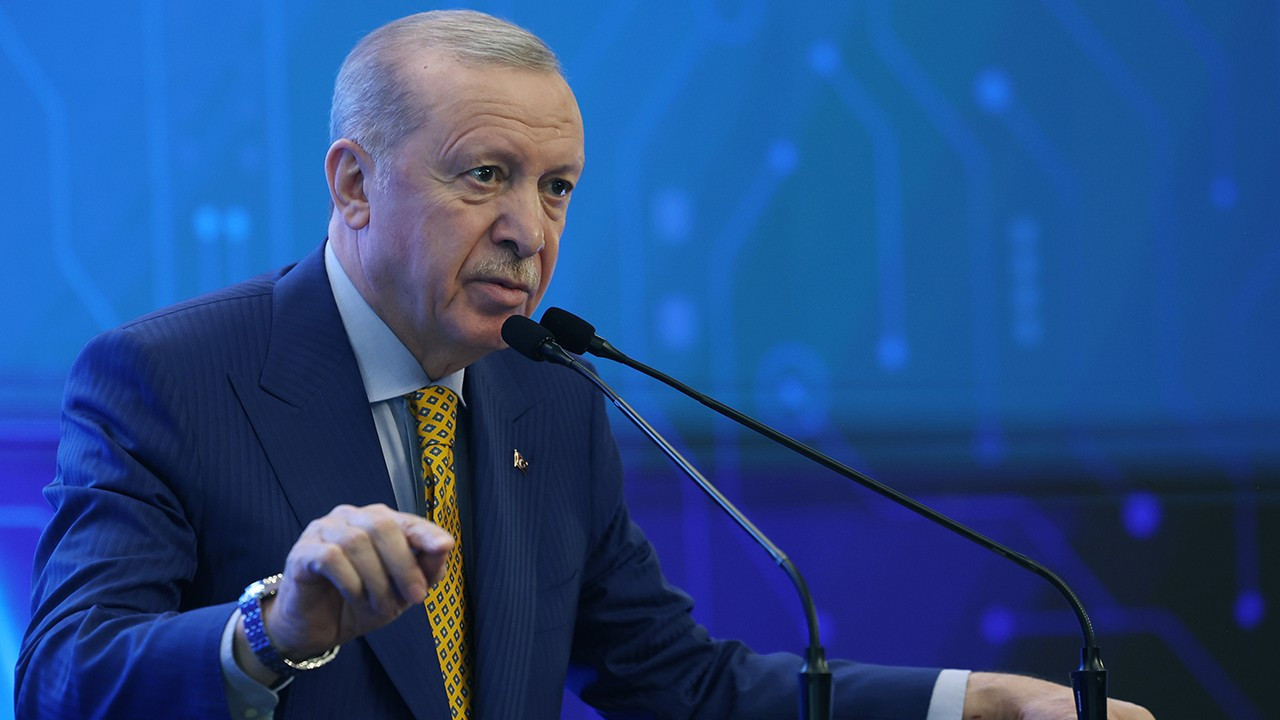
The same statements expressed the view that the European Union did not want to admit Turkey as a member. However, no verified official record has established when or in what context the remarks were made.
Turkey has been an EU candidate country since December 1999. Accession negotiations began on October 3, 2005, while Turkey's pursuit of integration with Europe dates back to its application for full membership in the European Economic Community, the bloc's predecessor, in 1987.
The negotiations have effectively been at a standstill since June 2018. According to the assessment of the Council of the European Union, no new chapters are expected to be opened and no existing chapters to be closed. The most recent accession conference was held on June 30, 2016, when Chapter 33, Financial and Budgetary Provisions, was opened.
Sixteen chapters have been opened in the negotiations between Turkey and the European Union, and only one of them has been provisionally closed. The European Union's official assessments say that serious concerns remain over the rule of law, judicial independence, fundamental rights and democratic standards.
Obligations linked to Cyprus and the implementation of the Additional Protocol were also among the factors that limited the opening of some chapters and the provisional closing of new chapters from 2006 onward. In subsequent years, political and institutional disputes in the membership process further limited progress.
Despite the stagnation in the membership negotiations, relations have not been severed completely. Channels of cooperation remain open on migration, trade, security, climate, public health and regional issues. While the European Union describes Turkey as an important partner, it conducts this cooperation separately from the membership negotiations within a gradual, proportionate and reversible framework.
This picture points to a relationship in which Turkey has not officially abandoned its membership goal, but the negotiations are not progressing under current conditions. The remarks attributed to Erdoğan can be read not as a verified new policy shift, but as rhetoric indicating that the membership goal remains in place and that the political reality of the process is being assessed with low expectations; this is an interpretation.























