- BIST10011,722-2.89%
- USD49.45+0.05%
- EUR55.62+0.37%
- GOLD4,181.10+0.26%
- INTEREST37.00%-1.00
- BITCOIN81,509+0.01%
- October 17, 202613°
- BIST10011,722-2.89%
- USD49.45+0.05%
- EUR55.62+0.37%
- GOLD4,181.10+0.26%
- INTEREST37.00%-1.00
- BITCOIN81,509+0.01%
- October 17, 202613°
Türkiye Saves 484 Billion Lira in Two Years Under Public Spending Measures
Türkiye saved a total of 484 billion Turkish liras in 2024 and 2025 through public-sector austerity and spending-control measures, Treasury and Finance Minister Mehmet Şimşek announced. The amount exceeds the combined 2026 budgets of six ministries.
Ally Daily Editorial DeskUpdated:
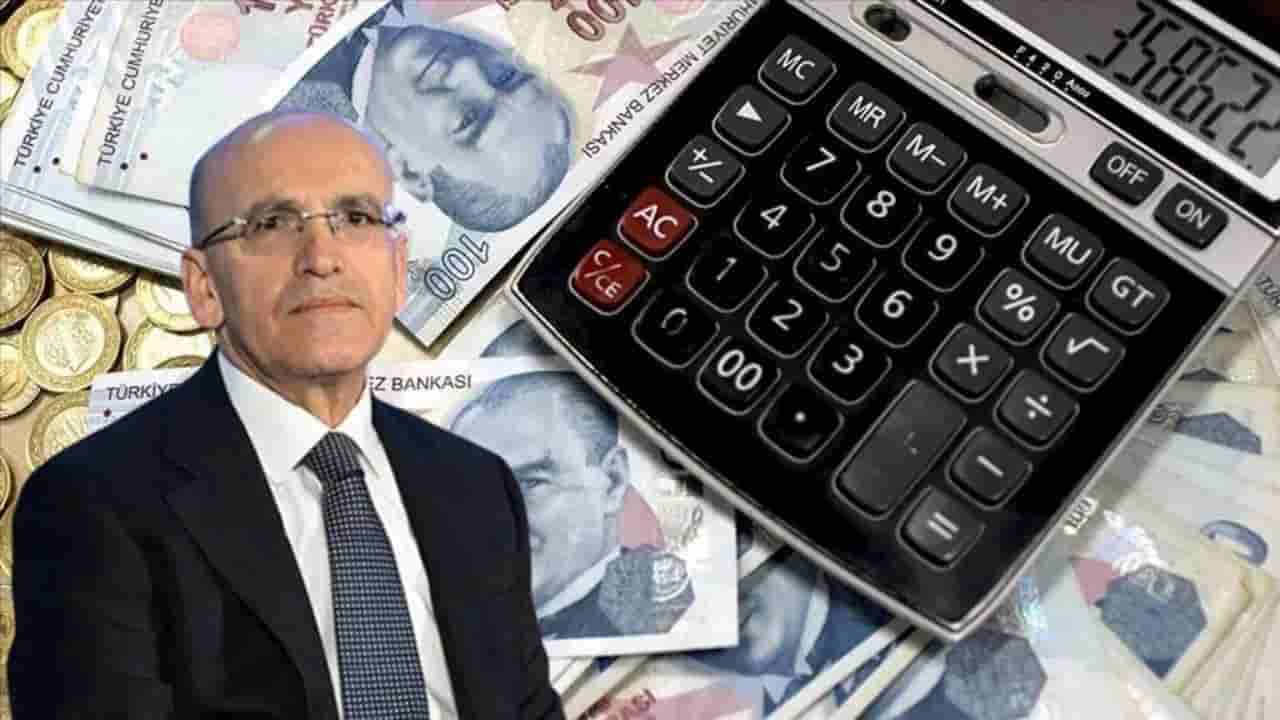
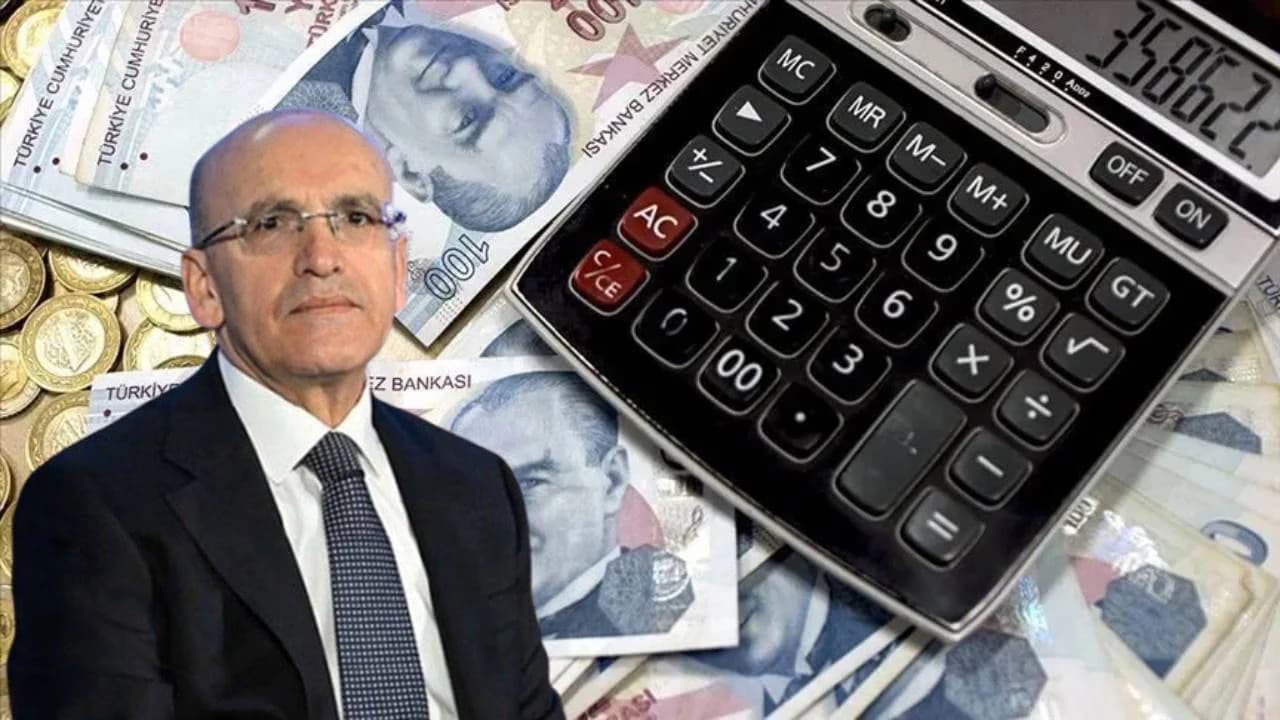
Türkiye achieved approximately 484 billion Turkish liras ($11.8 billion) in savings over 2024 and 2025 as part of measures aimed at tightening public spending and strengthening fiscal discipline, Treasury and Finance Minister Mehmet Şimşek announced.
The figure highlights the scale of the government's public-sector savings program, which was introduced in 2024 as part of Türkiye's broader economic strategy to control expenditures, improve the efficient use of public resources and support the disinflation process.
According to data highlighted by Şimşek, the 484 billion lira in savings exceeds the combined 2026 budgets of six ministries: the Ministry of Environment, Urbanization and Climate Change, Ministry of Foreign Affairs, Ministry of Energy and Natural Resources, Ministry of Culture and Tourism, Ministry of Industry and Technology, and Ministry of Trade.
Spending controls introduced across public institutions
The government's austerity measures cover a broad range of public expenditures, including official vehicles, public buildings, equipment purchases and energy consumption.
Unlike previous austerity initiatives, the current program also includes centralized monitoring, reporting, inspections and compliance mechanisms designed to track whether public institutions are implementing the measures.
The Treasury and Finance Ministry established the Savings Measures Information System to monitor the implementation of the program across government institutions.
Under the system, data from 260 public administrations are being monitored, while inspections have so far been conducted at 2,016 spending units.
Reports resulting from these inspections are shared with the Presidency and the relevant public institutions.
Share of targeted spending falls to 2.9%
One of the clearest indicators of the program's impact has been the decline in the share of expenditures covered by the austerity measures within the overall budget.
Excluding interest and earthquake-related expenditures, the long-term average share of these spending items stood at approximately 4.6%.
The ratio declined to 3.1% in 2024 and fell further to 2.9% in 2025.
According to the Treasury and Finance Ministry's calculations, the cumulative financial impact of this reduction amounted to approximately 484 billion Turkish liras at current prices over the two-year period.
This means the 484 billion lira figure should not be interpreted as additional revenue entering the Treasury. Rather, it represents the estimated fiscal space created by keeping targeted public expenditures below their historical share of the budget.
Savings exceed estimated cost of fuel tax support
The scale of the savings was also compared with the fiscal impact of Türkiye's fuel-price stabilization measures.
The government's sliding-scale fuel tax mechanism, used to limit the impact of rising global oil prices on consumers, is expected to result in approximately 372 billion liras in foregone public revenue by the end of 2026, according to current estimates.
The 484 billion liras saved during 2024-2025 therefore exceeds the estimated fiscal cost of that mechanism.
Şimşek emphasizes fiscal discipline and disinflation
Şimşek said strengthening fiscal discipline and ensuring the efficient use of public resources remain among the government's key priorities.
The government plans to continue spending controls and austerity measures while directing the fiscal space created through savings toward priority areas.
The Treasury and Finance Ministry also views tighter expenditure discipline as an important component of Türkiye's broader economic program, particularly in supporting the country's ongoing disinflation process.
With the first two years of the program producing an estimated 484 billion liras in savings, Ankara has signaled that tighter monitoring of public expenditures and efforts to improve efficiency across government institutions will continue.
Stay Updated with Ally Daily
Subscribe to be informed about special news, developments and announcements. We will keep you informed.
By signing up, you agree to our Privacy Policy