A federal judge in the United States has ordered the release of Palestinian Salah Sarsour, the head of Wisconsin’s largest mosque. The court found significant free speech claims that Sarsour was targeted due to his support for Palestinian rights.
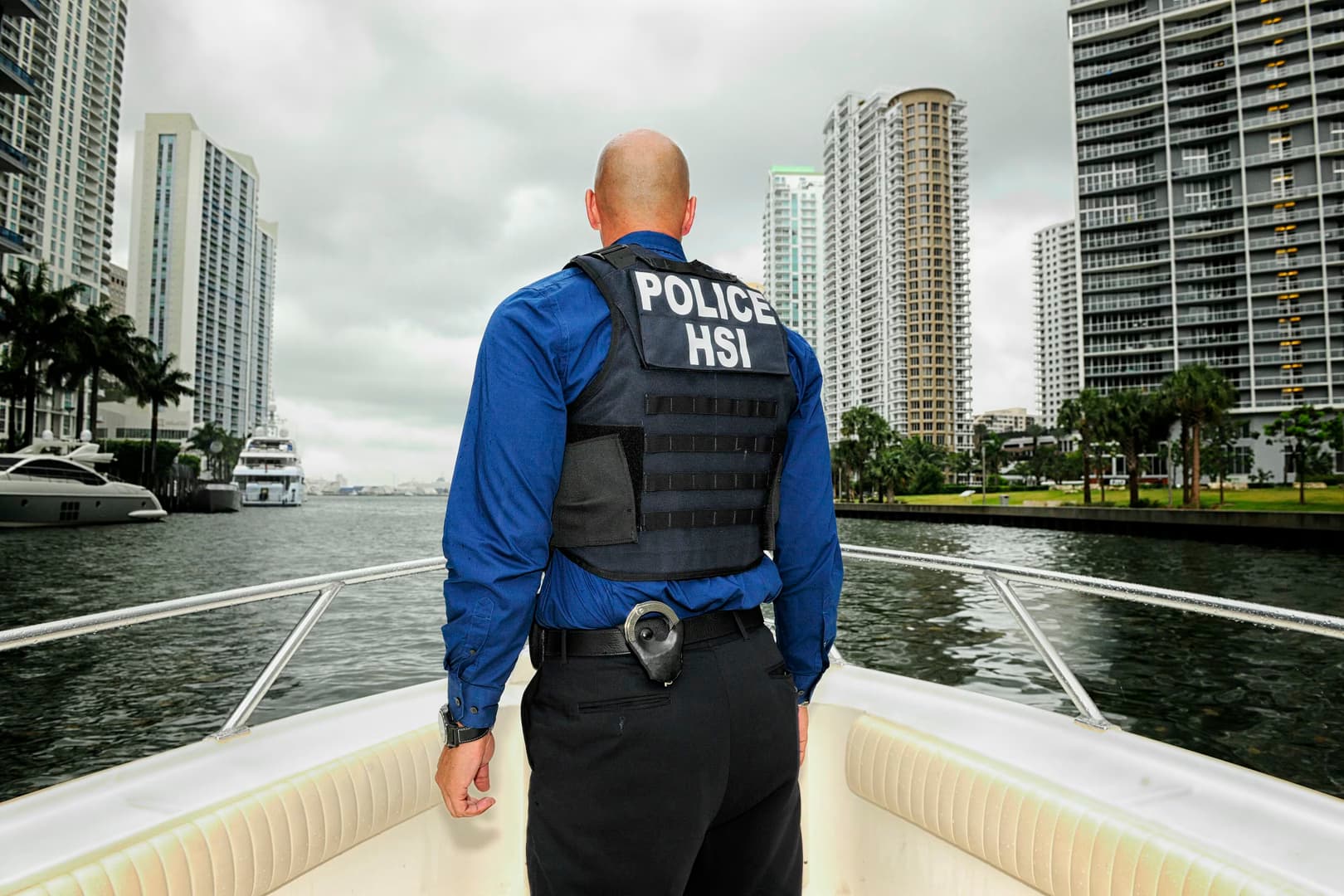
Although Sarsour is a lawful permanent resident in the US, he was detained on March 30 by Immigration and Customs Enforcement (ICE) agents. Federal authorities described him as a foreign policy threat, while his lawyers argued the detention was retaliation for his anti-Israel statements.
US District Judge James Patrick Hanlon, who issued the ruling, wrote that the government failed to provide sufficient evidence to refute claims that Sarsour was held as retaliation. Hanlon also highlighted that despite Sarsour’s more than 30 years of legal residency, there was no explanation why he was considered a threat this year.
"Simply expressing foreign relations concerns does not automatically negate First Amendment rights."
Following the decision, Sarsour was released from a county jail in Indiana and allowed to return to his home in Milwaukee; he was freed within hours.
After regaining his freedom, Sarsour expressed great relief at being reunited with his family. He noted that he had been unable to go outside or get fresh air for about 80 days and said the experience reminded him of the ongoing struggle to be the voice for the silenced.
His attorneys reported that Sarsour struggled with type 2 diabetes while in detention, lost over 30 kilograms, and had his blood sugar checked only once a month. The defense team argued this increased the risk of organ failure or death.
Judge Hanlon also considered Sarsour’s community ties and health in his decision. It was noted that Sarsour’s wife, six children, and nine grandchildren are all US citizens.
The Department of Homeland Security labeled Sarsour a convicted terrorist for allegedly throwing a Molotov cocktail and denied discrimination claims. The agency pointed to past convictions from Israeli military courts in Ramallah in 1989 and 1995, which Sarsour denies.
Hanlon wrote that the federal government has been aware of these allegations for 25 years and reviewed them at least four times during evaluations of Sarsour’s citizenship eligibility. Nevertheless, the government did not detain him until this year.
Sarsour’s release has sparked renewed debate over free speech, immigration enforcement, and the legal limits of pro-Palestinian statements. His family and lawyers welcomed the ruling, though the immigration case will continue.