- BIST10011,722-2.89%
- USD49.45+0.05%
- EUR55.62+0.37%
- GOLD4,181.10+0.26%
- INTEREST37.00%-1.00
- BITCOIN81,517+0.02%
- October 17, 202612°
- BIST10011,722-2.89%
- USD49.45+0.05%
- EUR55.62+0.37%
- GOLD4,181.10+0.26%
- INTEREST37.00%-1.00
- BITCOIN81,517+0.02%
- October 17, 202612°
U.S. federal government’s 2026 fiscal year deficit reaches $1.99 trillion
The U.S. federal government recorded a $1.99 trillion budget deficit in fiscal year 2026. Revenue rose to $5.4 trillion and spending to $7.4 trillion, while the annual deficit increased by 12 percent.


The U.S. federal government’s budget deficit rose to $1.99 trillion in fiscal year 2026, covering the period from October 1, 2025, to September 30, 2026. A report by the U.S. Treasury Department on September and the full fiscal year showed that the deficit increased 12 percent from $1.78 trillion in fiscal year 2025.
The federal government recorded a $27 billion budget deficit in September, the final month of fiscal year 2026. The government had posted a $198 billion budget surplus in the same month a year earlier, while September revenue rose 3 percent year on year to $558 billion. Spending increased 69 percent to $585 billion.
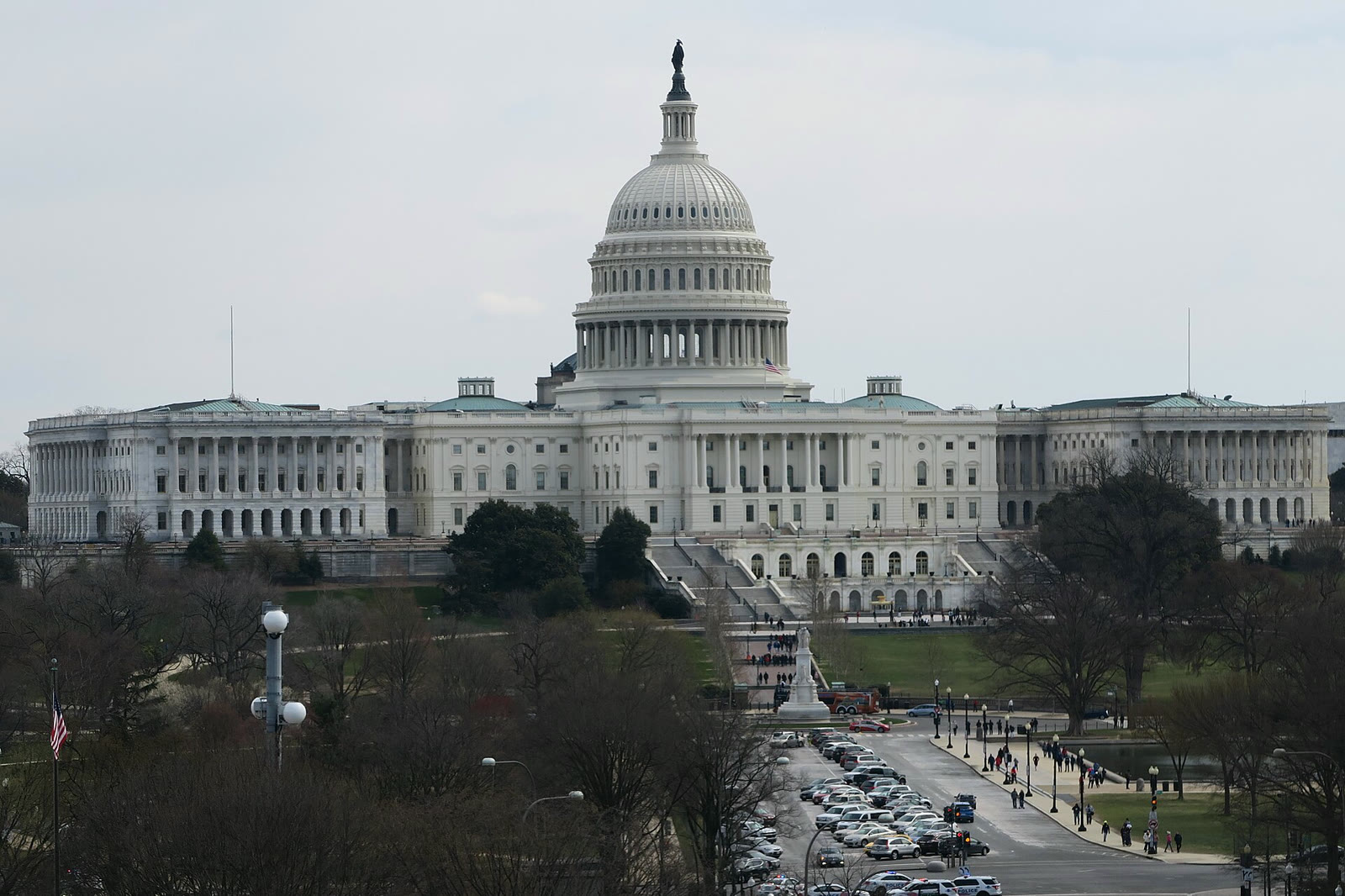
Deficit reaches highest level in five years
The $1.99 trillion deficit recorded in fiscal year 2026 was the highest in the past five years after the $2.77 trillion deficit in fiscal year 2021, when the COVID-19 pandemic was having an impact.
Revenue and spending increase
Federal government revenue for the fiscal year rose 3 percent from the previous fiscal year to $5.4 trillion. Spending also increased 6 percent over the same period, reaching $7.4 trillion.

Interest payments increase
Gross interest payments rose from $1.22 trillion in fiscal year 2025 to $1.36 trillion in fiscal year 2026. Net interest costs also exceeded $1 trillion in fiscal year 2026, compared with $970.4 billion in fiscal year 2025.
Net customs duty revenue declined. This item fell from $194.9 billion in fiscal year 2025 to $173.2 billion in fiscal year 2026.
Source: Anadolu Ajansı
Have a story, event or announcement of your own?Send us your news on WhatsApp
Spotted an error in this story?Report it on WhatsApp
Share on all social platforms
Sponsored Ads
Featured Listings
Loading featured properties...
Stay Updated with Ally Daily
Subscribe to be informed about special news, developments and announcements. We will keep you informed.
By signing up, you agree to our Privacy Policy