The seventh night of military operations against Iran, launched on the orders of US President Donald Trump, has been completed. US Central Command (CENTCOM) shared details of the strikes carried out for the seventh consecutive night.
US forces used warplanes, drones and warships to target Iran's surveillance areas, military logistics infrastructure, underground weapons depots and naval capabilities.
Iran retaliates against US allies
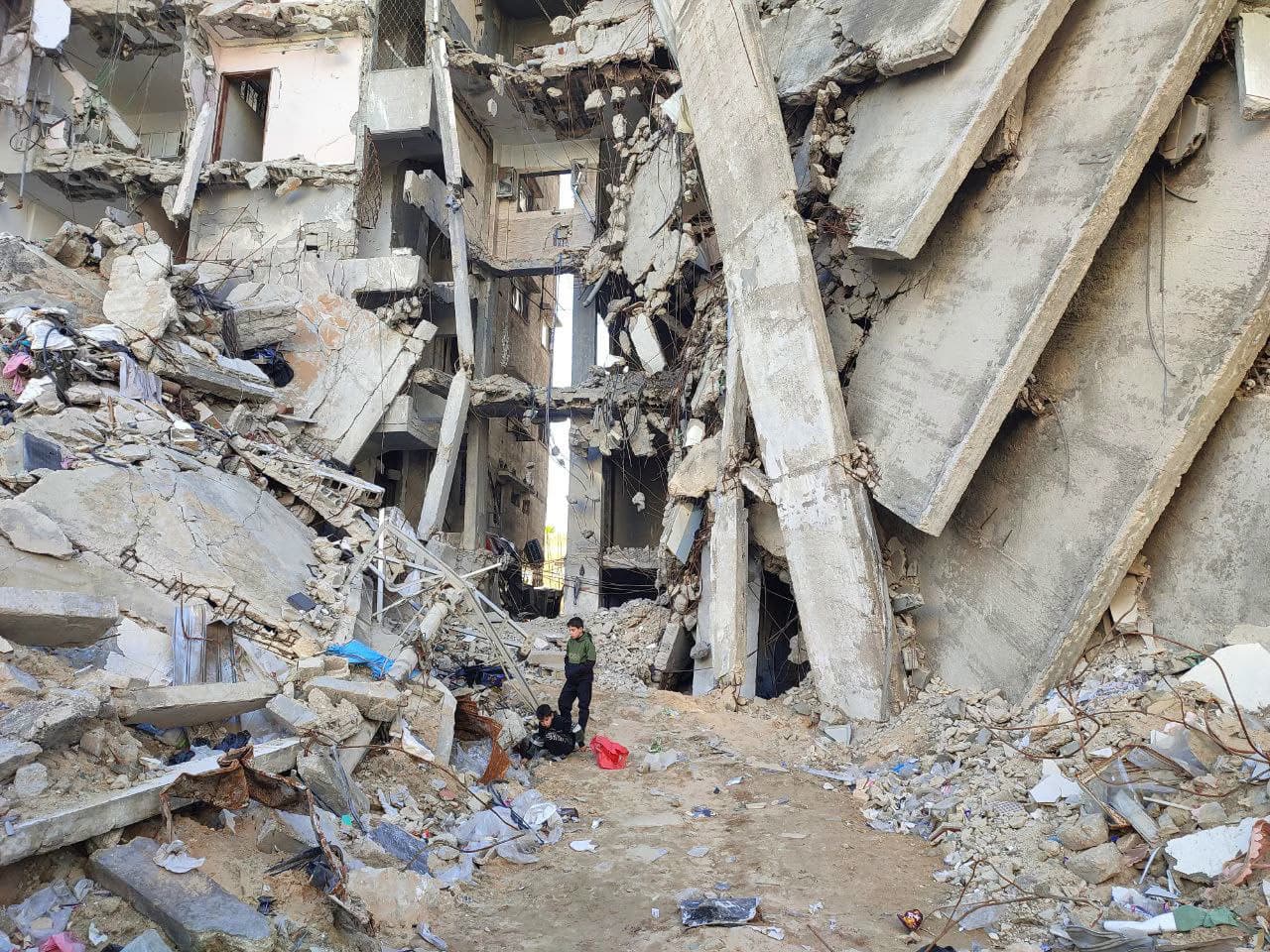
Iran, meanwhile, retaliated on Friday by striking US allies in the Gulf. In the clashes, which focused on infrastructure targets, maritime shipping in the Strait of Hormuz also came under attack. Iranian state media announced that at least five bridges in the south were hit in the US strikes. Seven people were killed in the bridge attacks in the city of Bandar Hamir, and the city's train station was damaged. An airport in the city of Iranshahr in the Sistan-Baluchestan province, near the Pakistan border, was struck.
US-allied facility in Kuwait struck
Kuwaiti officials, a US ally, announced that a power generation and water treatment plant was hit in the Iranian attack.
Trump's threats and war crimes debate
President Trump this week reiterated his threat to strike Iran's energy targets and warned that he could target bridges next week. The 1949 Geneva Conventions prohibit attacks on infrastructure considered essential for civilians in war. US international law experts have previously stated that such attacks could constitute war crimes. Trump was widely condemned in April for threatening to 'destroy all of Iran's civilization'.
Start of the conflict and its impact
The Iran war began when the US and Israel attacked Iran on February 28. Iran launched retaliatory strikes against Israel and Gulf countries hosting US bases. The US-Israeli attacks and Israel's operations in Lebanon have led to thousands of deaths and displaced millions of people. The war has driven up oil prices and shaken global markets.