- BIST10011,117-0.92%
- USD49.63+0.05%
- EUR55.70+0.05%
- GOLD4,007.60-1.30%
- INTEREST36.00%-1.00
- BITCOIN81,501+0.23%
- October 23, 202616°
- BIST10011,117-0.92%
- USD49.63+0.05%
- EUR55.70+0.05%
- GOLD4,007.60-1.30%
- INTEREST36.00%-1.00
- BITCOIN81,501+0.23%
- October 23, 202616°
US Senate and House majority races remain too close to call
The Nov. 3 congressional elections in the US will decide all 435 House seats and 35 of the Senate’s 100 seats. Polling averages show Democrats ahead in the House and Republicans in the Senate, while closely contested districts could determine the outcome.
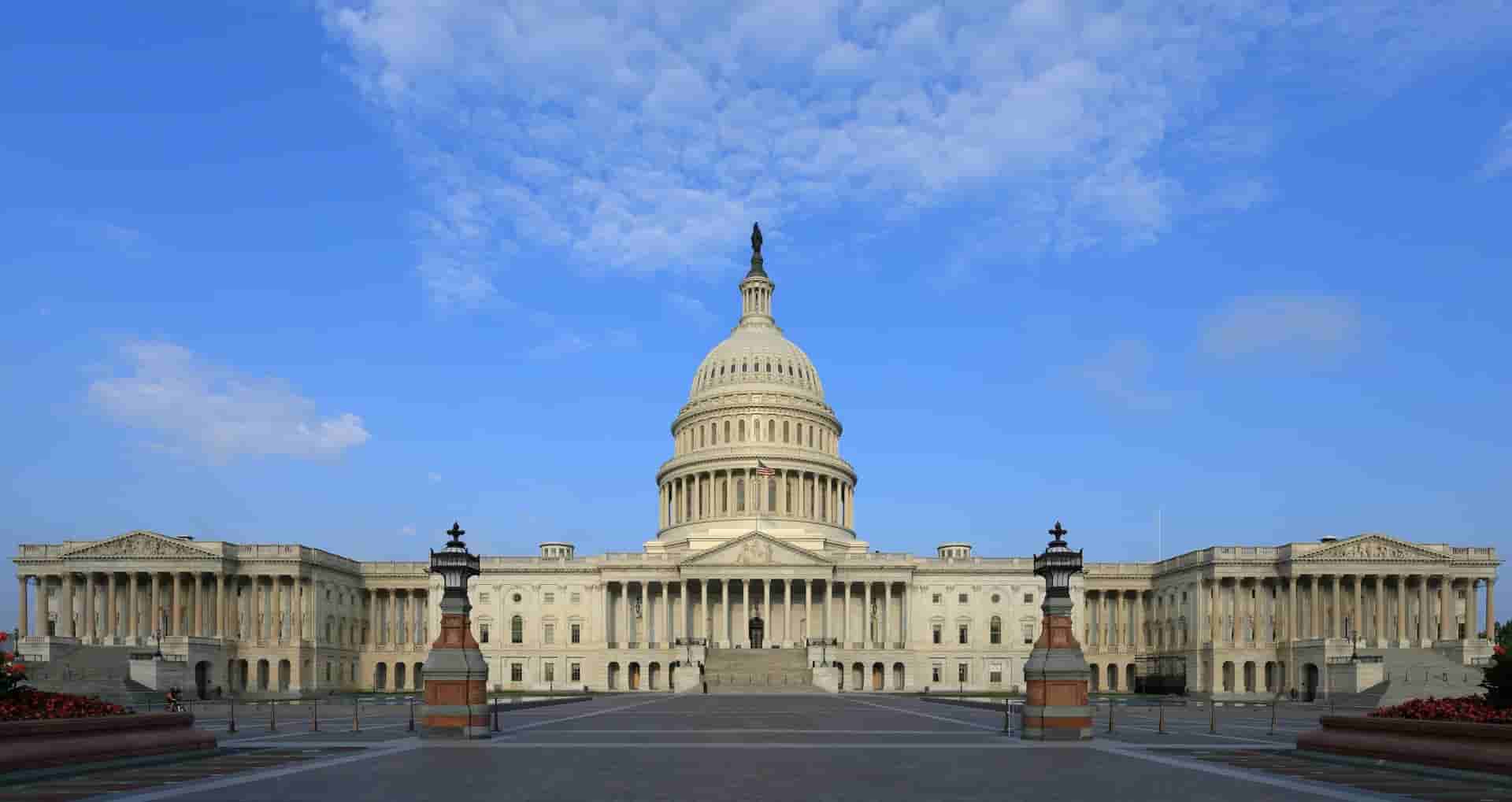
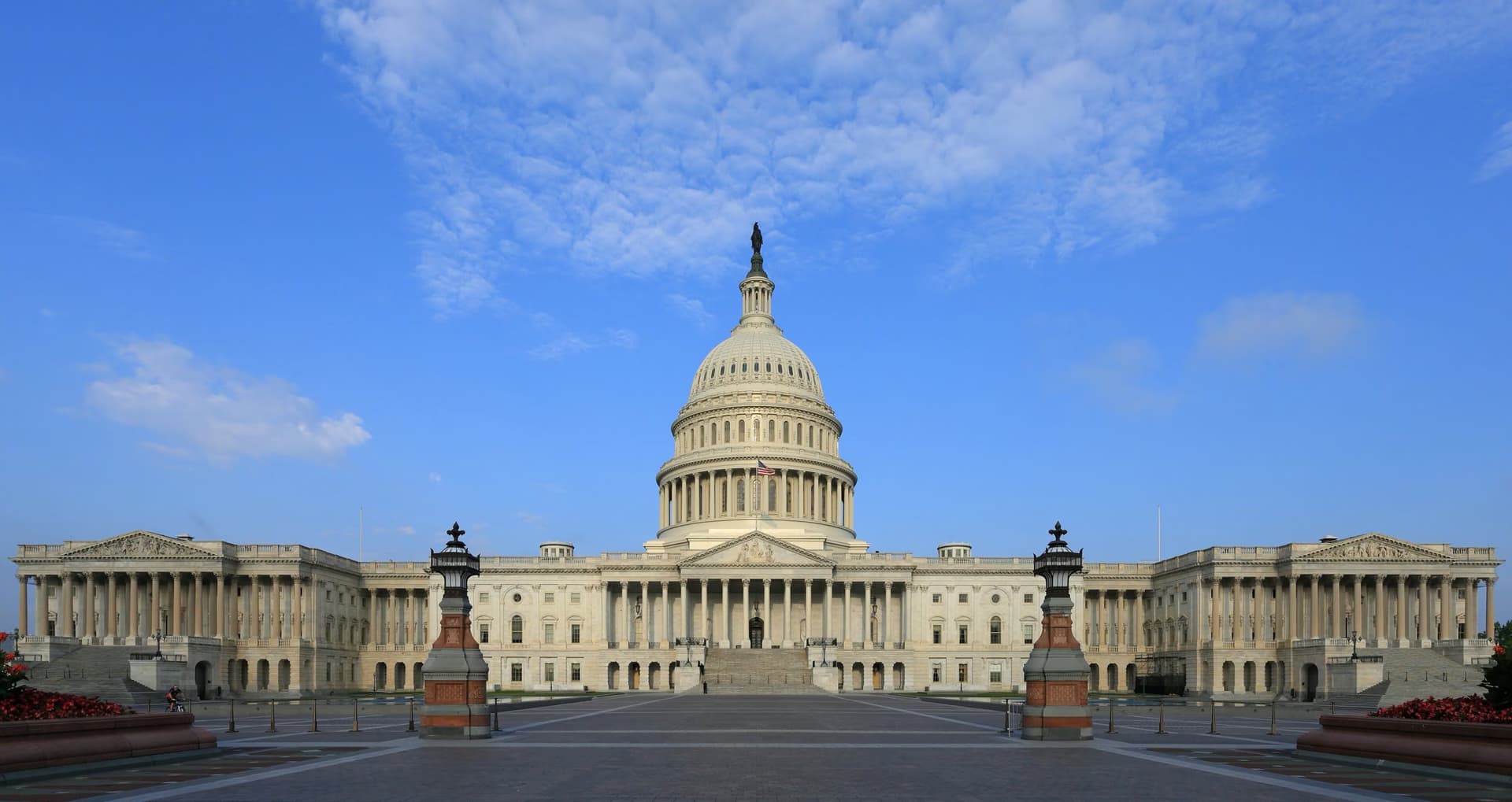
The congressional elections to be held in the US on Nov. 3 will cover all 435 seats in the House of Representatives and 35 of the 100 seats in the Senate.
Nationwide polling averages show Democrats with an advantage in the House and Republicans ahead in the Senate. However, the districts where the races remain too close to call could determine which party secures a majority in Congress.
Eight Senate seats remain undecided
RealClear Politics’ table, which brings together nationwide and state-level polls, projects that Democrats and Republicans will each hold 46 Senate seats after the election. The eight seats whose outcomes remain unclear are at the center of the majority calculations.
Six of these eight seats appear to lean Republican, while two lean Democratic. If Republicans lead in four of those states, the party could secure a majority even if the Senate is split 50-50.
US Vice President JD Vance, who also serves as president of the Senate, could be decisive in such a scenario with a tie-breaking vote. Under the law, the US vice president can cast a tie-breaking vote in the Senate in favor of their own party.
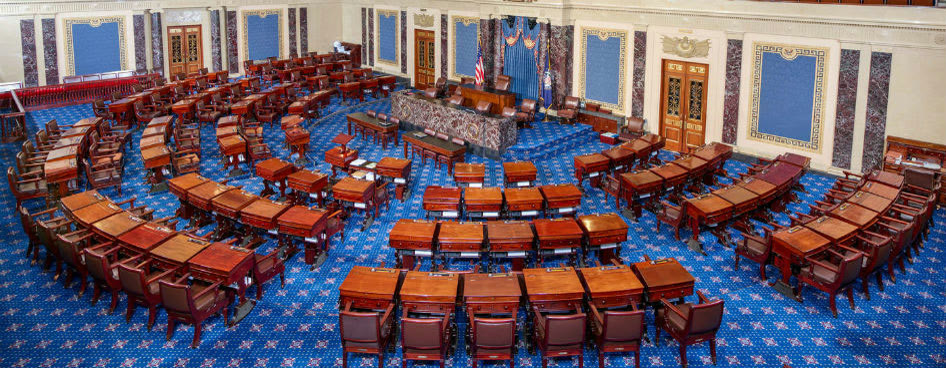
Democrats’ chances of winning the House majority
A party needs 218 seats to win a majority in the House of Representatives. RealClear Politics projections indicate that Democrats will win 226 seats and Republicans 187.
The races in 22 House districts remain too close to call. Although most of these districts appear to lean Republican, current projections indicate that Democrats could surpass the 218-seat threshold and win the majority.
Current seat distribution in Congress
Republicans currently hold 53 Senate seats, while Democrats hold 45. Two independent senators frequently vote with Democrats on many issues.
In the House of Representatives, Republicans hold 218 seats, Democrats hold 214 and independents hold one. Two House seats are vacant.
Stay Updated with Ally Daily
Subscribe to be informed about special news, developments and announcements. We will keep you informed.
By signing up, you agree to our Privacy Policy