Assessing the current capacity of the healthcare system in the Gaza Strip, World Health Organization (WHO) spokesperson Christian Lindmeier said that no hospital in the territory remains fully operational.
In Gaza, where Israel has carried out attacks and maintained a blockade since October 2023, only 19 of the 36 hospitals can provide partial services. Lindmeier said the other hospitals were completely out of service.
Healthcare services have suffered extensive damage
Lindmeier said that Gaza, where around 2.1 million people need assistance, has just over 3,000 beds. The number of usable intensive care beds is around 100, while maternity services have capacity for approximately 120 beds.
The WHO spokesperson said that Gaza previously had many trained nurses and doctors, widely available education services and vaccination rates above 90 percent. However, he said the current healthcare system had essentially collapsed.
Lindmeier said they were unable to provide patients, children, mothers and fathers with the healthcare they needed, adding that the loss of healthcare capacity had been compounded by the destruction of the system and roads.

Shipment approvals can take 74 days
Approval for a shipment to be delivered to Gaza takes an average of 74 days, or approximately 2.5 months. After approval, the cargo must be prepared, transported across the border and into Gaza, and sent to the areas where it is needed.
Lindmeier said that if a shipment is rejected, a new application must be submitted for the same approval, and that the second attempt can also take an average of 74 days. He said the approval process for small medicine packages was shorter and that they were rejected less often.
Lindmeier said the entry of large medical devices and laboratory equipment was rarely approved or was subjected to lengthy procedures, adding that diseases and potential outbreaks could not be detected without laboratory equipment. The failure of imaging devices also makes it harder to diagnose conditions such as broken bones and internal bleeding; problems that could be resolved with a simple intervention outside Gaza can become more serious.
Lindmeier said the number of trucks and containers entering Gaza alone did not show whether aid was reaching those who genuinely needed it, adding that delays involving medical devices and spare parts had caused hundreds of people to die unnecessarily.
Fuel shortages disrupt the healthcare system
After entering Gaza, aid vehicles struggle to reach their final destinations because of destroyed roads, checkpoints and ongoing attacks. Lindmeier said that aid entering the territory did not mean it had reached patients.
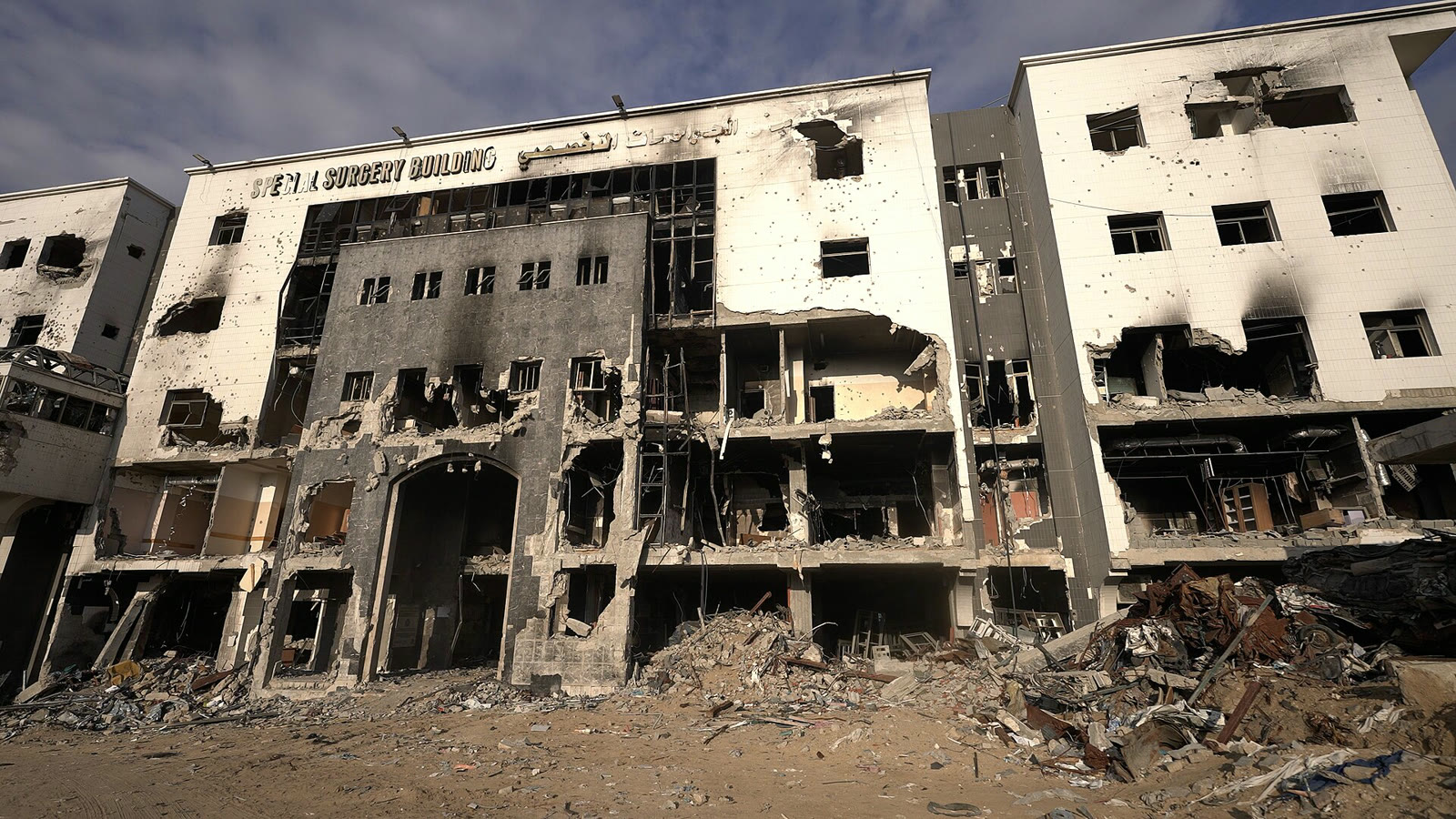
The WHO spokesperson said fuel shortages in Gaza directly affected the operation of ambulances and the delivery of healthcare, adding that power lines had been cut during the early stages of the conflict. He said the territory’s energy needs were being met entirely through generators and other backup power sources.
Large quantities of fuel are needed to operate operating rooms, maternity wards and imaging devices in hospitals, illuminate buildings and allow healthcare workers to provide care in suitable conditions. Lindmeier said that when fuel was unavailable, access to clean water and the operation of many medical devices were also disrupted.
Thousands of patients await evacuation
Lindmeier said that around 14,000 patients had been evacuated from Gaza since October 2023. He said that thousands of others were still awaiting evacuation, while some critically ill patients could not be taken out of the territory.
Lindmeier said rebuilding Gaza’s healthcare system would take a long time, adding that even if the conflict ended and work began immediately, it would take years for the system to become operational again.