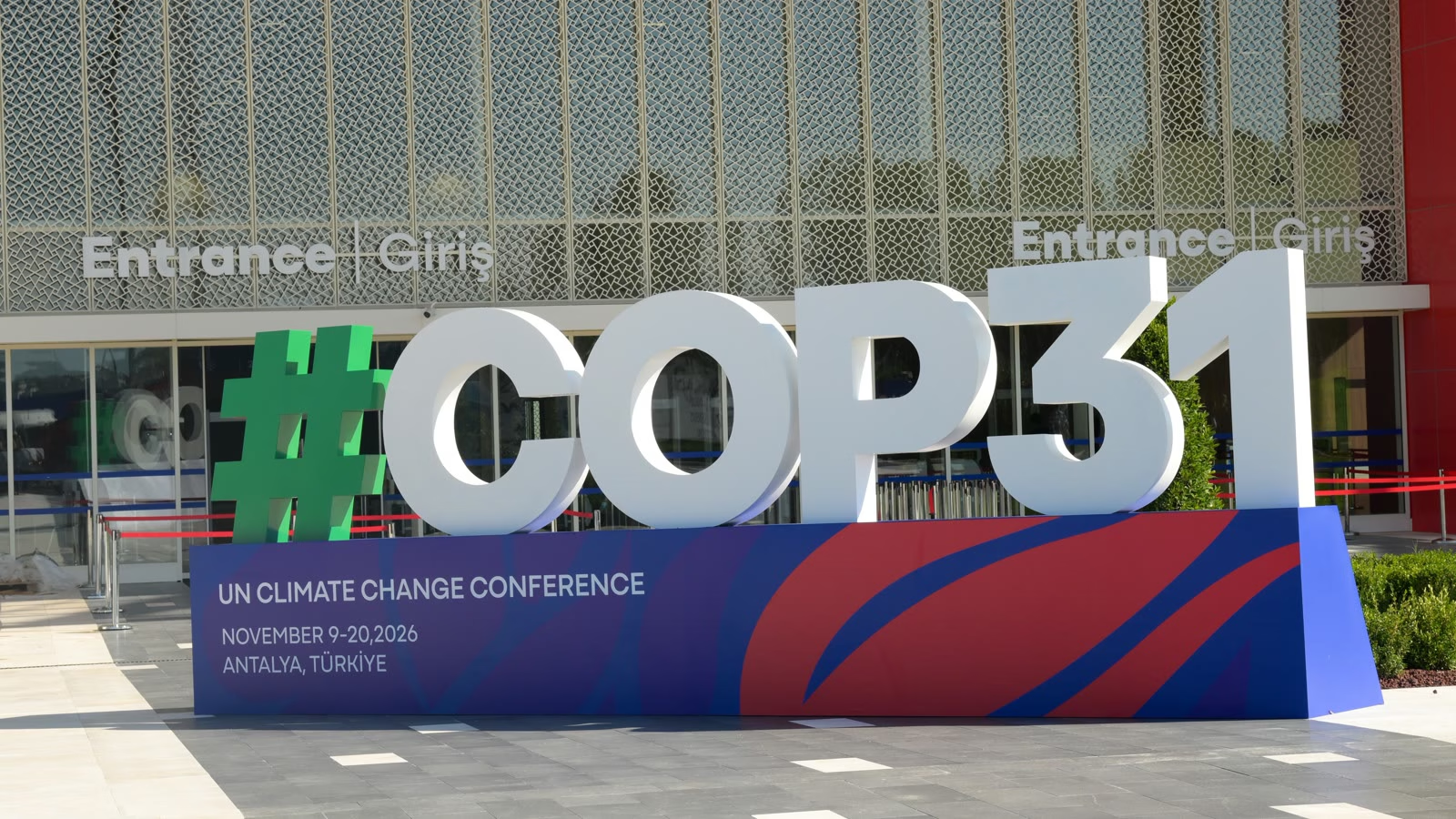
The climate crisis is also a health crisis, the World Health Organization said in a report released ahead of COP31, the U.N. climate conference that Türkiye will host in the Mediterranean resort city of Antalya from Nov. 9 to 20. An estimated 3.3 billion to 3.6 billion people live in conditions that leave them highly vulnerable to climate change, according to the WHO, and more than 90% of deaths from climate-related disasters over the past 20 years occurred in developing countries.
A short explainer from Turkish public broadcaster TRT looks at what the summit, which will bring together delegations from around the world to discuss everything from the energy transition to zero waste, could mean for the host country.
Six measures, 1.6 million lives
In a second report, the WHO said six proven measures could save 1.6 million lives every year: heat-health early warning systems, climate-resilient drinking water services, basic sanitation, hygiene and handwashing facilities, cleaner household fuels and technologies for cooking and heating, and efficient pricing policies for fossil fuels. Together, they could help avoid 16.7 billion tons of carbon dioxide emissions, equal to 31% of annual global greenhouse gas emissions excluding land use and forestry, and deliver $3.9 trillion a year in added economic welfare. WHO Director-General Tedros Adhanom Ghebreyesus said most of the harm from the climate crisis can be prevented with tools that already exist.
At COP31, countries are expected to launch the Antalya Initiative for Health Resilience, a voluntary, non-binding mechanism for sharing national experience on climate and health, meant to serve as a bridge to COP32. The WHO also urged governments to implement the Belém Health Action Plan adopted at last year's COP30 in Brazil.
Dutch eye Türkiye's first offshore wind tender
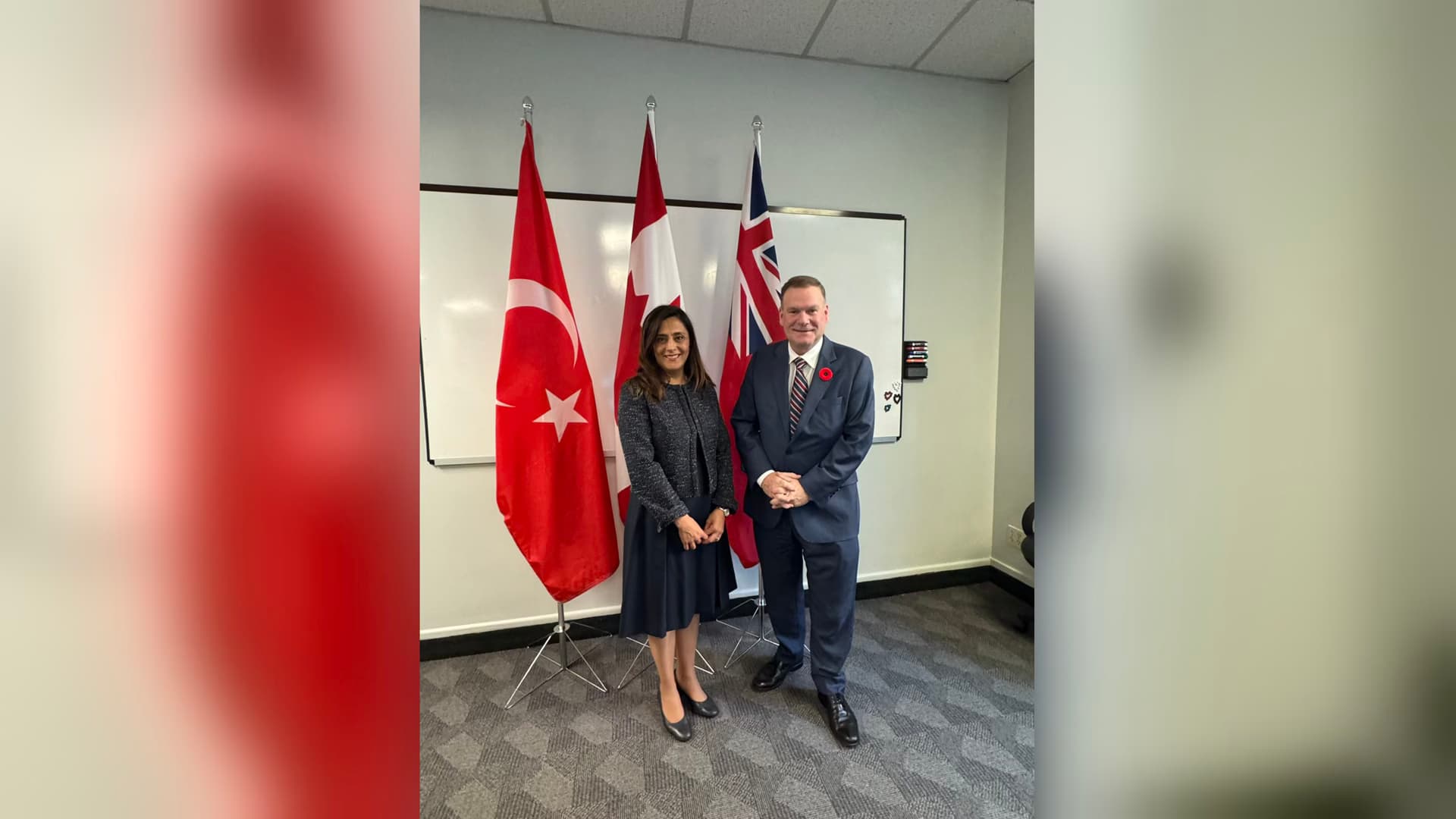
The Netherlands sees COP31 as a chance to turn energy-transition goals into concrete steps, Dutch Ambassador to Ankara Alle Dorhout told Anadolu Agency. The two countries are working on a declaration of intent on offshore wind cooperation, and the Netherlands is closely following preparations for Türkiye's first offshore wind tender under its YEKA renewable-zone model. Türkiye aims to reach 120 gigawatts of installed wind and solar capacity by 2035, including 5 gigawatts of offshore wind. A Dutch offshore wind trade mission is planned for Istanbul and Izmir on Dec. 7-11.
Türkiye will also formally unveil the Türkiye Industrial Decarbonization Investment Platform (TIDIP) in Antalya. Built by the Industry and Technology Ministry with the European Bank for Reconstruction and Development and the World Bank's IBRD and IFC, it aims to back more than 5 billion euros of investment in steel, aluminum, cement and fertilizer by 2030 and cut emissions by 20 million tons of CO2 equivalent a year, with $250 million from the Climate Investment Funds' Clean Technology Fund. The European Investment Bank, Asian Development Bank and Islamic Development Bank are expected to join at a signing ceremony during the conference.
A "Gaza Hall" and Anatolian heritage
The venue itself carries a message. The largest hall in the public Green Zone, with 5,000 seats, has been named the "Gaza Hall," which Türkiye's environment ministry said reflects the country's sensitivity toward Palestine and a message of peace and humanitarian solidarity. Meeting rooms in the negotiators' Blue Zone are named after Anatolian heritage sites such as Göbeklitepe, Çatalhöyük, Ephesus and Troy. The Blue Zone is expected to host about 100,000 people and the Green Zone 1.5 million, with the leaders' summit set for Nov. 11-12. Sustainable cotton from southeastern Türkiye, grown under a U.N. Development Programme-backed "Better Cotton" project that has cut irrigation by about 45%, will also be showcased.
The conference program and participation details are available on the official COP31 website, cop31.tr.
Video: TRT Haber. Photos: Anadolu Agency